The rapid rise of renewable electric vehicles is fundamentally transforming the automotive and energy landscapes. As societies pivot toward sustainable transportation, electric vehicles increasingly rely on clean energy sources, creating a synergy between mobility and renewable energy growth. This combination not only reduces carbon emissions but also drives innovation in energy storage, grid management, and smart infrastructure. Across cities and highways, the adoption of electric vehicles powered by renewable energy is reshaping how people think about driving, energy consumption, and environmental responsibility.
The Link Between Electric Vehicles and Renewable Energy
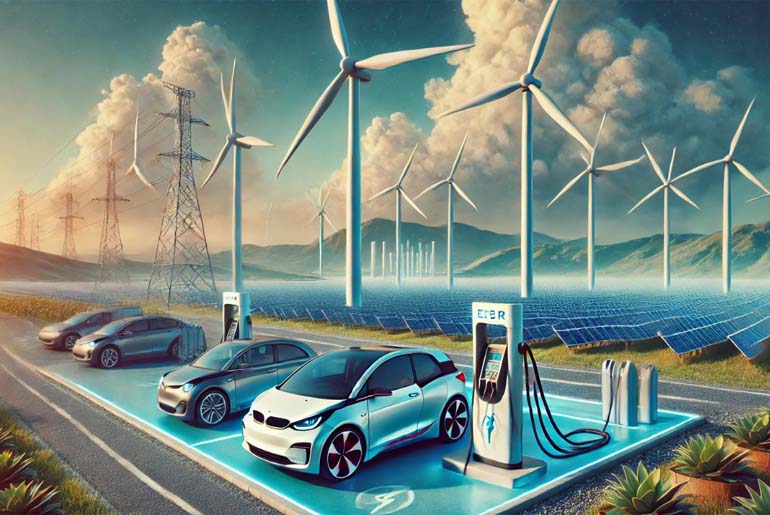
Electric vehicles are most impactful when paired with renewable energy. Solar panels, wind turbines, and hydropower facilities generate electricity that can be stored and used to charge EVs. This integration reduces dependence on fossil fuels and minimizes the carbon footprint of transportation. By coupling vehicle electrification with renewable energy deployment, governments and businesses can accelerate decarbonization strategies while promoting cleaner air and sustainable urban development.
How Renewable Energy Powers EVs
The concept is simple yet transformative: electricity produced from renewable sources charges electric vehicle batteries, providing a direct replacement for gasoline or diesel fuel. Homeowners with rooftop solar systems can charge their cars during the day using sunlight, while commercial fleets can tap into wind-powered grids to operate sustainably. Smart charging systems allow vehicles to store excess renewable energy during peak production hours, optimizing grid stability and reducing reliance on nonrenewable power.
Grid Modernization and EV Integration
The growth of renewable electric vehicles necessitates modernization of energy grids. Traditional grids were designed for one-way energy flow, but renewable integration requires dynamic management. Vehicle-to-grid technology, smart meters, and energy storage systems enable EVs to act as mobile batteries, feeding excess energy back into the grid during peak demand. This creates a flexible energy ecosystem where transportation and power generation support each other, enhancing efficiency and reliability.
Environmental Benefits of Renewable EVs
Electric vehicles powered by renewable energy drastically reduce greenhouse gas emissions. Unlike conventional vehicles that burn fossil fuels, renewable-powered EVs produce near-zero tailpipe emissions. When scaled across urban populations, this can lead to substantial reductions in air pollution, mitigating health risks associated with particulate matter and nitrogen oxides.
Reduction in Carbon Footprint
By charging EVs with clean energy, the overall carbon footprint of personal and commercial transportation diminishes. Even considering battery production, studies consistently show that EVs powered by renewables emit significantly fewer greenhouse gases than internal combustion vehicles over their lifetime. This environmental advantage strengthens the case for combining vehicle electrification with renewable energy initiatives.
Improved Urban Air Quality
Cities with high adoption rates of renewable EVs experience noticeable improvements in air quality. Reduced smog and particulate concentrations improve public health outcomes, lowering rates of respiratory illnesses and cardiovascular conditions. Urban planners increasingly consider EV integration with renewable energy as a strategy for sustainable city development.
Technological Advancements Driving Growth
Several technological innovations are accelerating the adoption of renewable electric vehicles and supporting infrastructure.
Battery Technology
Advances in battery chemistry, energy density, and thermal management extend EV range while reducing charging time. Lithium-ion batteries remain dominant, but emerging technologies such as solid-state batteries promise higher efficiency, faster charging, and longer lifespan. Improved battery recycling and second-life applications further enhance sustainability, allowing older EV batteries to store renewable energy in stationary systems.
Charging Infrastructure
Expanding the charging network is critical for renewable EV adoption. Fast-charging stations powered by solar or wind energy reduce range anxiety and make EV ownership practical for commuters and long-distance travelers alike. Smart charging networks optimize energy usage by aligning charging schedules with renewable generation peaks, maximizing efficiency and minimizing grid stress.
Energy Management Systems
Advanced energy management systems integrate EVs with renewable energy grids, forecasting supply, and demand to optimize charging and discharging. These systems leverage artificial intelligence, predictive analytics, and real-time data to ensure vehicles charge when renewable energy is abundant, supporting grid stability and reducing reliance on fossil fuels.
Global Trends in Renewable EV Adoption
Worldwide, renewable electric vehicles are experiencing exponential growth, driven by policy support, consumer demand, and technological progress.
Government Incentives and Regulations
Many countries offer subsidies, tax credits, and rebates for EV purchases and renewable energy installations. Additionally, stricter emission regulations encourage automakers to accelerate EV development and adopt renewable energy for production processes. These policies create a favorable market environment that propels both EV adoption and renewable energy deployment.
Consumer Awareness and Demand
Public awareness of climate change and environmental impact drives interest in renewable-powered EVs. Consumers increasingly value sustainability alongside performance and style, making renewable EVs a symbol of environmental responsibility. This growing demand incentivizes manufacturers to expand their renewable energy offerings and improve vehicle efficiency.
Corporate Commitments
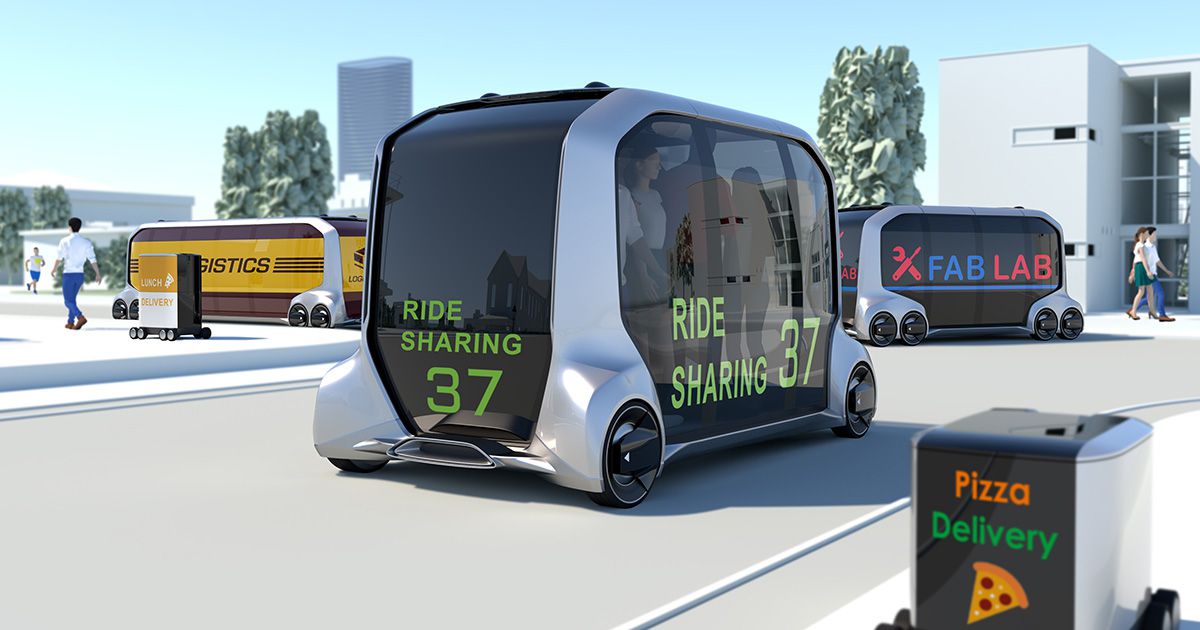
Corporations are investing heavily in renewable EV fleets to reduce operational carbon footprints. Companies operating delivery services, ride-sharing platforms, and logistics networks increasingly rely on solar-powered charging stations, wind-generated electricity, and energy storage systems to power their vehicles sustainably. Corporate adoption accelerates renewable energy infrastructure growth while demonstrating practical implementation at scale.
Notable Models and Initiatives
Several electric vehicle models and initiatives exemplify the synergy between renewable energy and electrified transportation.
Tesla and Solar Integration
Tesla has pioneered integrating EVs with renewable energy systems. Its Powerwall and Solar Roof solutions allow homeowners to generate, store, and use renewable energy for vehicle charging. Tesla’s Supercharger network increasingly incorporates renewable energy credits and solar-powered stations, demonstrating how large-scale infrastructure can align with sustainable energy goals.
Nissan Leaf and Community Solar
The Nissan Leaf, one of the most popular EVs globally, has been integrated with community solar programs in various regions. Solar energy generated locally can directly charge Leafs, enabling residents to participate in collective renewable energy initiatives and reduce dependence on grid electricity derived from fossil fuels.
European Renewable EV Initiatives
Europe is at the forefront of renewable EV integration. Countries like Norway and the Netherlands promote charging stations powered exclusively by renewable sources, while public-private partnerships fund large-scale solar and wind projects to meet growing electricity demand from EVs. These initiatives demonstrate how coordinated planning accelerates adoption while supporting national sustainability goals.
Economic Impacts of Renewable EV Growth
The rise of renewable electric vehicles stimulates economic opportunities across multiple sectors.
Job Creation
Renewable EV adoption drives employment in vehicle manufacturing, battery production, renewable energy installation, and charging infrastructure development. As demand grows, the renewable EV ecosystem supports skilled labor and innovation-driven industries.
Energy Cost Savings
Using renewable energy to power EVs reduces operational costs compared to gasoline or diesel vehicles. Over time, lower energy expenses enhance consumer savings, making renewable EVs increasingly attractive financially.
Market Expansion
Automakers and energy companies benefit from expanded markets. Investments in EV production, charging networks, and renewable energy generation foster competition, innovation, and technology transfer across industries.
Challenges and Opportunities
Despite growth, challenges remain in fully realizing the potential of renewable electric vehicles.
Energy Storage and Grid Limitations
Integrating high numbers of EVs with renewable grids requires advanced storage solutions and flexible grid management. Energy intermittency from solar and wind sources necessitates innovations in battery storage, demand response, and grid interconnection.
Supply Chain Constraints
Battery production and renewable technology manufacturing depend on critical minerals such as lithium, cobalt, and nickel. Sustainable extraction, recycling, and alternative materials are vital to ensure scalable renewable EV deployment without ecological trade-offs.
Policy and Regulatory Coordination
Effective renewable EV adoption requires alignment of transportation, energy, and environmental policies. Coordinated planning ensures incentives, infrastructure development, and emissions targets are mutually reinforcing.
Opportunities for Innovation
Challenges present opportunities for technological innovation. Vehicle-to-grid solutions, modular battery systems, and advanced energy forecasting tools can enhance efficiency, reduce costs, and accelerate adoption. Investment in research and development will continue to drive the renewable EV sector forward.
Future Outlook
The future of renewable electric vehicles is intertwined with the global energy transition. As battery technology improves, renewable generation expands, and smart grid solutions mature, EV adoption is expected to accelerate.
Long-term trends suggest that vehicles will increasingly serve as mobile energy assets, capable of storing and distributing renewable energy. Cities may leverage EV fleets to stabilize energy demand, support emergency power needs, and integrate seamlessly with urban renewable grids.
Global policy frameworks, consumer adoption, and corporate investment will continue to shape renewable EV growth. As more vehicles and infrastructure operate on clean energy, transportation’s environmental impact will decline, and sustainable mobility will become mainstream.
About the Author