In the modern era of transportation, everyday electric vehicles have emerged as a transformative force. They combine practicality with sustainability, redefining how individuals navigate urban and suburban environments. These vehicles are designed for daily use, balancing range, efficiency, and comfort while reducing carbon footprints. Advances in battery technology, charging infrastructure, and automotive design have elevated their appeal, making them not just environmentally responsible but remarkably convenient for routine commutes, errands, and leisure trips.

The Rise of Electric Mobility
The shift toward electric vehicles is no longer a niche trend. Cities worldwide are witnessing a surge in EV adoption as governments implement supportive policies, including tax incentives, subsidies, and infrastructure expansion. These policies, combined with public awareness about environmental sustainability, have accelerated the adoption of everyday electric vehicles. Urban planners are increasingly integrating EV-friendly infrastructure, such as charging hubs and dedicated lanes, to enhance accessibility and convenience for daily users.
Automakers are responding by producing models specifically designed for regular use, prioritizing battery longevity, comfort, and technological integration. These vehicles are crafted to fit seamlessly into the rhythms of everyday life, ensuring that drivers experience minimal disruption while embracing sustainable transportation.
Understanding Battery Technology
Battery technology is the cornerstone of modern EV functionality. Early electric vehicles faced criticism for limited range, long charging times, and rapid battery degradation. Today, lithium-ion and emerging solid-state batteries offer unprecedented performance. With ranges exceeding 300 miles in many models, everyday electric vehicles can comfortably cover daily commutes and even longer weekend trips without frequent recharging.
Thermal management systems, intelligent energy distribution, and battery optimization software ensure consistent performance, even under extreme temperatures or high load conditions. These innovations have made EVs reliable companions for everyday use, addressing concerns about longevity and performance while enhancing overall efficiency.
Charging Infrastructure and Convenience
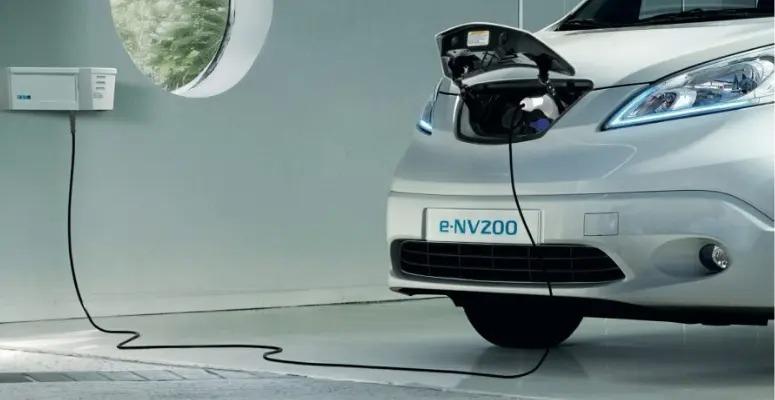
Charging accessibility plays a pivotal role in the usability of everyday electric vehicles. Urban centers are witnessing a proliferation of fast-charging stations capable of replenishing significant battery capacity within an hour. Meanwhile, home charging setups allow drivers to recharge overnight, ensuring a fully charged vehicle each morning.
Innovations in smart charging further enhance convenience. Integrated apps can schedule charging sessions based on electricity rates, renewable energy availability, or anticipated driving needs. This integration ensures that EV owners optimize both costs and environmental impact, while never compromising on convenience.
Cost Efficiency and Ownership Benefits
Operating an electric vehicle daily offers tangible cost savings. Unlike traditional internal combustion engine vehicles, EVs require fewer maintenance services. There is no need for oil changes, exhaust repairs, or frequent transmission servicing. Fewer moving parts translate into lower long-term maintenance costs and increased reliability.
Energy expenses are also significantly reduced. Electricity is generally cheaper than gasoline on a per-mile basis, and many drivers can leverage off-peak rates or renewable energy sources for further savings. Incentives such as tax credits, rebates, and reduced tolls enhance financial viability, making everyday electric vehicles an economically sensible choice over time.
Environmental Advantages
The environmental impact of daily EV use is substantial. By eliminating tailpipe emissions, electric vehicles reduce local air pollution and contribute to healthier urban environments. Coupled with renewable energy sources, the carbon footprint of operating an EV can approach near-zero levels.
Additionally, many manufacturers are incorporating sustainable practices in production. Recycled materials, energy-efficient manufacturing processes, and responsible battery sourcing ensure that the ecological benefits of EVs extend beyond their operation, making everyday electric vehicles a responsible choice from production to daily use.
Design and Practicality
Modern electric vehicles prioritize functionality alongside aesthetic appeal. Compact designs facilitate maneuvering in dense urban settings, while interiors are spacious, ergonomic, and adaptable. Many EVs feature modular storage solutions, foldable seating, and intuitive dashboard layouts, making them ideal for diverse daily tasks.
Infotainment systems, connectivity features, and advanced climate controls further enhance the user experience. Comfort is not sacrificed for sustainability; rather, technology and design merge to create vehicles that are both environmentally friendly and highly practical.
Safety and Reliability
Safety is a critical consideration for any vehicle used regularly. Everyday electric vehicles integrate advanced driver-assistance systems, including lane-keeping assistance, automatic emergency braking, and adaptive cruise control. These features minimize accident risks and improve overall driving confidence.
Battery placement also improves vehicle stability. By positioning the heavy battery pack low in the chassis, EVs achieve a lower center of gravity, enhancing handling and reducing rollover risk. Coupled with reinforced structures and crash-tested designs, modern EVs offer safety on par with, or exceeding, conventional vehicles.
Integration with Smart Technology
Connected technology is a hallmark of contemporary EVs. Smartphones, wearable devices, and smart home systems can now interface with vehicles, enabling remote monitoring of battery status, route planning, and cabin pre-conditioning.
For everyday electric vehicles, smart features translate into enhanced usability. Automated charging schedules, real-time traffic updates, and energy optimization make daily commutes seamless. Drivers can integrate their EVs into broader digital ecosystems, maximizing efficiency, convenience, and environmental benefits.
Urban Advantages
EVs excel in urban environments. Instant torque provides responsive acceleration, particularly useful in stop-and-go traffic. Regenerative braking aids in smooth deceleration while capturing energy that would otherwise be lost. Compact designs facilitate parking and navigation through narrow streets, reducing urban driving stress.
Many municipalities also incentivize EV use through preferential parking, reduced tolls, and access to dedicated lanes. These benefits further enhance the practicality and appeal of everyday electric vehicles for city dwellers.
Long-Term Investment Value
While the upfront cost of EVs can be higher than traditional vehicles, the long-term value is compelling. Lower maintenance costs, reduced fuel expenses, and favorable incentives make everyday electric vehicles economically prudent over time.
Furthermore, as global policies increasingly prioritize sustainable transportation, the resale value of EVs is expected to remain strong. Subscription models, battery leasing options, and flexible financing plans also make EV ownership accessible and attractive to a broader demographic.
Diverse Options for Daily Use
A wide spectrum of EV models caters to different lifestyles. Compact hatchbacks are ideal for city commuting, while midsize sedans and family SUVs offer greater space for errands or travel. High-performance EVs combine speed and efficiency for enthusiasts who seek a dynamic driving experience alongside daily usability.
Customization options, from interior layouts to color schemes, enable owners to tailor their vehicles to individual preferences. This variety ensures that everyday electric vehicles are practical, stylish, and compatible with diverse personal and professional needs.
Addressing Common Misconceptions
Despite rapid adoption, some potential buyers remain hesitant due to perceived limitations. Concerns about limited range, charging accessibility, or battery degradation are common. However, advancements in technology, expanded infrastructure, and improved warranty offerings have largely mitigated these concerns.
Educational initiatives, test drives, and community programs further demonstrate the reliability and efficiency of everyday electric vehicles, dispelling myths and encouraging informed adoption.
Case Studies of Real-World Use
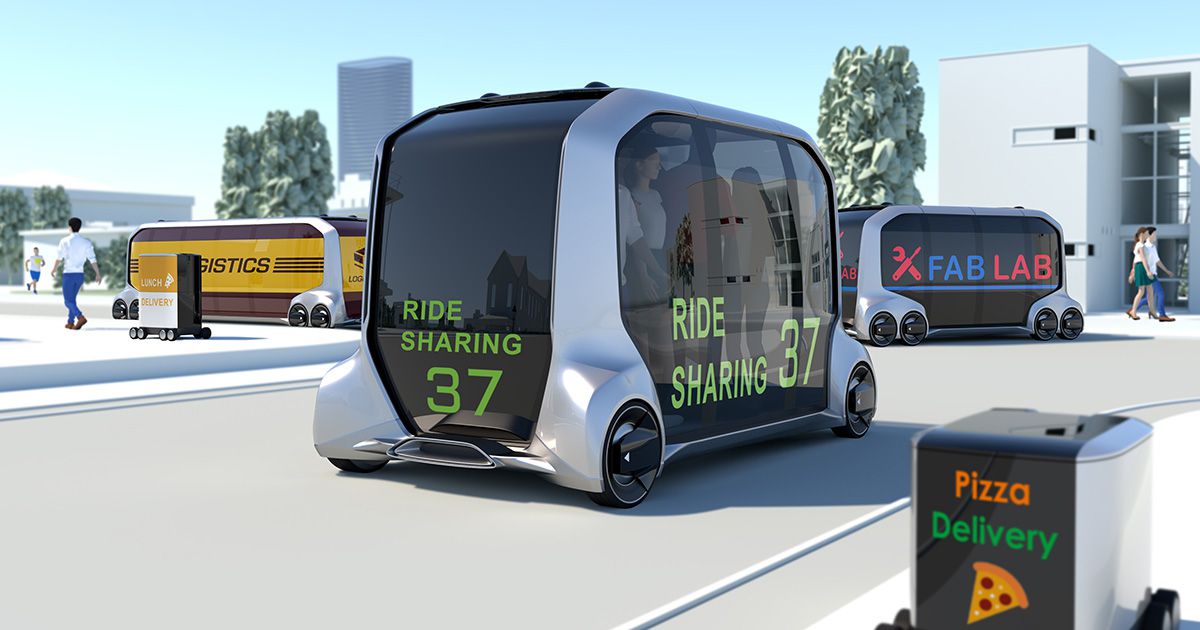
Numerous examples highlight the practicality of EVs in daily scenarios. Urban delivery fleets, ride-sharing services, and municipal vehicles demonstrate operational efficiency, cost savings, and environmental benefits. Users report satisfaction with low maintenance, quiet operation, and easy integration into their daily routines, confirming that EVs are more than capable for everyday use.
About the Author