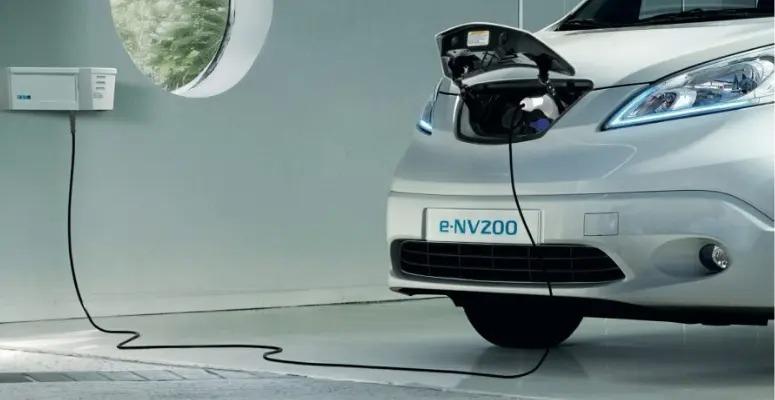
The automotive industry is evolving at an unprecedented pace, and future electric vehicles are spearheading a revolution that promises to redefine transportation. With a combination of advanced technology, environmental consciousness, and economic pragmatism, these vehicles are more than a trend they are a paradigm shift. Urban centers are increasingly focusing on sustainability, and electric mobility is emerging as a solution to reduce pollution, optimize energy consumption, and improve the quality of urban life. The implications extend from personal convenience to global environmental impact, making the rise of electric vehicles one of the most transformative developments in modern mobility.
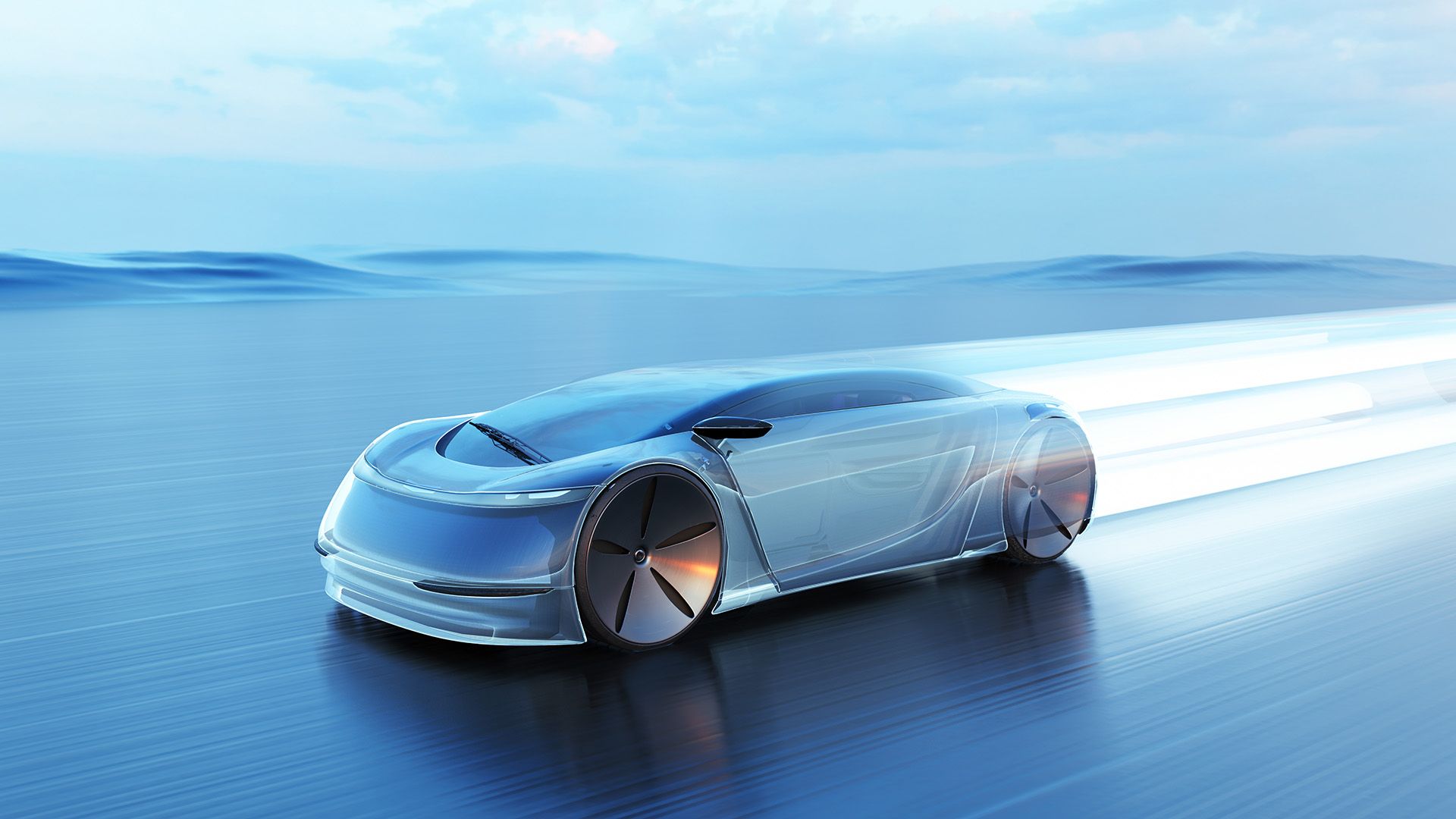
Pioneering Technological Advancements
Electric vehicles today are far more sophisticated than earlier iterations, featuring a range of innovations that enhance performance, safety, and convenience. Regenerative braking systems, for instance, capture energy during deceleration and feed it back into the battery, improving efficiency without compromising on driving experience. High-capacity batteries now offer extended ranges, making long-distance travel more practical than ever.
Artificial intelligence is being integrated into modern vehicles, enabling adaptive cruise control, predictive maintenance alerts, and real-time route optimization. These systems monitor driving patterns, road conditions, and battery health, creating a more intuitive and responsive driving experience. Autonomous driving capabilities are also advancing, allowing for hands-free navigation in specific scenarios while improving safety by reducing human error.
Battery innovation is a critical driver of the electric vehicle revolution. While lithium-ion technology has dominated the market, solid-state batteries are emerging as a next-generation solution. These batteries offer faster charging, longer lifespans, and higher energy density, addressing the two main concerns of potential EV owners: range anxiety and charging time. Researchers are also exploring hybrid solutions that incorporate solar panels, thermal energy management, and wireless charging, further enhancing efficiency and convenience.
The Charging Infrastructure Revolution
The adoption of electric vehicles is inextricably linked to the development of a robust charging infrastructure. Charging stations are proliferating in urban centers, commercial hubs, and along highways, making long journeys feasible. Ultra-fast charging networks can replenish batteries in under half an hour, significantly reducing downtime and enhancing usability.
Wireless charging is becoming increasingly viable, with embedded charging pads in parking spaces allowing vehicles to charge without manual connection. Smart grids are also being implemented to manage the growing energy demands of electric vehicles. By balancing electricity supply and integrating renewable sources, these grids ensure sustainable energy consumption while enabling cost savings for consumers. Energy storage solutions at charging hubs allow for peak load management, reducing stress on national grids and creating a more resilient system.
Environmental Impact and Sustainability
The environmental benefits of electric vehicles are perhaps the most compelling argument for their widespread adoption. By eliminating tailpipe emissions, they directly contribute to cleaner air, especially in densely populated urban areas. Reduced pollution means fewer respiratory illnesses and an overall improvement in public health.
When coupled with renewable energy sources such as solar, wind, or hydroelectric power, electric vehicles offer an even greater reduction in carbon footprints. The combination of sustainable electricity and zero-emission transportation has the potential to significantly curb global greenhouse gas emissions. Recycling initiatives for batteries and components are also becoming more common, ensuring that the environmental benefits of EVs extend beyond their operational life.
Economic Considerations
While electric vehicles often have a higher upfront cost compared to traditional cars, their long-term economic advantages are substantial. Reduced maintenance requirements, thanks to fewer moving parts, lower the total cost of ownership. Electricity, particularly when sourced from renewable energy, is typically cheaper than gasoline, and dynamic pricing allows for cost optimization during off-peak hours.
Government incentives, including tax credits, rebates, and preferential access to certain urban areas, further reduce the financial burden for consumers. Businesses are also investing in electric fleets, benefiting from lower operational costs, reduced fuel expenditure, and favorable tax considerations. The ripple effects of EV adoption extend beyond automotive companies, stimulating growth in battery production, renewable energy, software development, and ancillary services.
Innovations in Design and User Experience
Electric vehicles are reshaping automotive design by freeing designers from the constraints of internal combustion engines. Without the need for large engine compartments, designers can explore sleek, aerodynamic forms that improve efficiency and aesthetics. Interiors have also become more flexible, featuring minimalist layouts, adaptable seating, and advanced infotainment systems.
Connectivity is a major focus, with vehicles integrating augmented reality dashboards, voice-activated controls, and AI-assisted driving. Autonomous features allow drivers to focus on leisure or productivity, transforming the vehicle from a mere mode of transport into a personalized environment. Enhanced ergonomics, intelligent climate control, and ambient lighting are increasingly common, making the driving experience both functional and pleasurable.
Global Adoption Trends
The adoption of electric vehicles is accelerating across the globe. Europe, China, and North America are leading the transition with supportive government policies, infrastructure investments, and public awareness campaigns. Emerging markets are also exploring affordable electric mobility solutions, from compact urban vehicles to electric two-wheelers.
Global supply chains are adapting to meet the demand for batteries and EV components, with a growing emphasis on sustainable sourcing and recycling. By integrating local production and green energy generation, countries are positioning themselves as leaders in a rapidly expanding industry. International collaborations in research and technology development are also contributing to a more efficient and standardized EV ecosystem worldwide.
Addressing Challenges
Despite the promising trajectory, electric vehicles face several challenges. Battery production relies on critical minerals, whose extraction can have environmental and ethical implications. Charging infrastructure, while expanding rapidly, remains unevenly distributed, particularly in rural and developing regions. Consumer concerns about range, performance, and initial cost also persist.
Innovative solutions are emerging to address these challenges. Modular battery designs allow for easier replacement and upgrades. Fast-charging technology reduces downtime, and subscription or leasing models make EVs more financially accessible. Public education campaigns help alleviate misconceptions and highlight long-term cost savings and environmental benefits, encouraging wider adoption.
Integration with Smart Cities
The future of electric vehicles is closely linked to the development of smart cities. Connected infrastructure allows vehicles to communicate with traffic signals, other vehicles, and charging stations, optimizing traffic flow and energy usage. Predictive analytics enable proactive maintenance and energy management, further increasing efficiency and safety.
Electric vehicles also complement shared mobility solutions, including ride-hailing and car-sharing services. By reducing the total number of vehicles on the road while providing flexible transportation options, urban congestion is alleviated, and emissions are further reduced. Integrated transportation networks that combine EVs, public transit, and micro-mobility options create a holistic system that redefines urban mobility.
Future Outlook
The trajectory of future electric vehicles suggests a landscape of continuous innovation. Advances in battery chemistry, charging infrastructure, autonomous capabilities, and connected vehicle ecosystems will further accelerate adoption. As renewable energy integration increases, the sustainability benefits of electric mobility will compound, making EVs central to global decarbonization efforts.
Consumer experiences will continue to evolve, with vehicles becoming more than transportation tools. Personalized AI assistants, smart energy management, and adaptable interiors will transform vehicles into mobile living spaces, blurring the line between commuting and lifestyle. The economic, environmental, and societal implications are profound, as electric vehicles reshape industries, urban planning, and global energy systems simultaneously.
About the Author