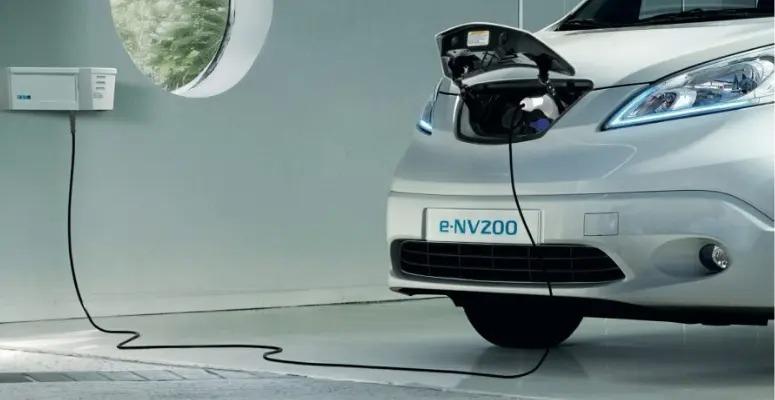
In a world increasingly driven by technology, the way we move is undergoing a profound transformation. Electric vehicles are no longer merely tools for transportation; they have become integral components of a smart electric lifestyle. They redefine convenience, efficiency, and sustainability, blending seamlessly into the fabric of modern urban living. From energy management to connectivity, EVs are at the forefront of a new paradigm where mobility is not just about reaching a destination, but enhancing everyday life in intelligent ways.
The Rise of Intelligent Mobility
Electric vehicles have evolved far beyond the early prototypes of the 2010s. Modern EVs incorporate advanced software, sensors, and connectivity features that allow them to interact with the surrounding environment and their owners in ways that were unimaginable just a few years ago. This intelligence transforms vehicles into proactive assistants that manage energy, optimize travel routes, and even integrate with home systems to maximize efficiency.
This integration creates a lifestyle where transportation is no longer a separate chore but a cohesive part of daily life. Drivers can schedule charging during off-peak hours to save on electricity costs, monitor energy consumption in real-time, and even use vehicles as mobile energy storage units. These capabilities position EVs as both practical and transformative tools for a connected, conscious lifestyle.
Technological Innovations Driving Smarter Living
Several technological breakthroughs are enabling EVs to contribute to a more intelligent, sustainable lifestyle.
Advanced Battery Technology
Battery efficiency has skyrocketed over the past decade. High-capacity lithium-ion and emerging solid-state batteries allow vehicles to travel longer distances on a single charge, reducing anxiety about range and enhancing usability. Modular battery designs enable scalable solutions across different vehicle types, from compact city cars to full-sized SUVs.
These batteries also play a role in home energy management. With bi-directional charging capabilities, EVs can feed electricity back into a home during peak demand periods, creating a synergy between mobility and household energy consumption.
Connectivity and Smart Systems
Modern EVs are equipped with sophisticated sensors, onboard AI, and real-time connectivity. These systems provide drivers with information about traffic patterns, optimal charging locations, and energy usage. Vehicles can communicate with smart infrastructure, adjusting performance to minimize energy consumption and reduce environmental impact.
Mobile applications extend this connectivity, allowing users to control charging schedules, precondition cabins, and monitor battery health remotely. The integration of AI algorithms ensures that vehicles continually learn from driving habits, offering personalized suggestions for efficiency and comfort.
Renewable Energy Integration
A cornerstone of the smart electric lifestyle is the integration of EVs with renewable energy sources. Solar panels on homes, commercial buildings, and public charging stations allow vehicles to be powered by clean energy. In regions with advanced grid infrastructure, surplus solar or wind energy can be stored in vehicle batteries and returned to the grid, enhancing energy resilience and sustainability.
Autonomous and Semi-Autonomous Features
Self-driving and semi-autonomous capabilities are transforming the EV experience. Vehicles equipped with adaptive cruise control, lane-keeping assist, and intelligent navigation systems reduce driver fatigue, enhance safety, and optimize energy consumption. These features enable a seamless integration of transportation into modern lifestyles, freeing time for work, leisure, or relaxation during commutes.
Economic Advantages of Smarter Living
Electric vehicles offer significant economic benefits that extend beyond the initial purchase price. Energy costs per mile are substantially lower than gasoline or diesel, and maintenance requirements are reduced due to fewer moving parts and no need for oil changes. Over time, total ownership costs can be significantly lower than traditional vehicles.
Smart energy management amplifies these savings. By charging during off-peak hours, utilizing vehicle-to-home capabilities, and optimizing driving patterns, EV owners can minimize expenses while maximizing utility. In combination with government incentives, tax credits, and rebates, adopting an EV can be both a financially savvy and environmentally responsible decision.
Environmental Impact
Embracing a smart electric lifestyle contributes directly to reducing carbon emissions and mitigating climate change. EVs powered by renewable energy dramatically lower greenhouse gas emissions compared to internal combustion vehicles. In urban environments, the reduction of air and noise pollution improves public health and overall quality of life.
As adoption grows, cities become cleaner and more sustainable. EVs not only reduce emissions from individual vehicles but also encourage the integration of renewable energy infrastructure and smart grids, creating a systemic environmental benefit.
Urban Planning and the Smart City
Electric vehicles are catalyzing changes in urban planning and infrastructure development. Cities are incorporating EV charging stations into commercial, residential, and public spaces. Smart traffic management systems utilize data from connected EVs to reduce congestion, improve travel efficiency, and decrease energy consumption.
Shared electric mobility services, such as EV car-sharing and autonomous shuttles, complement traditional transportation networks. These systems reduce the number of vehicles on the road, optimize energy usage, and enhance accessibility, creating a more sustainable and livable urban environment.
Popular Electric Vehicles Shaping Smarter Living
A range of vehicles is making the smart electric lifestyle accessible to a broad audience. These models combine affordability, performance, and advanced technology to deliver a transformative driving experience.
Tesla Model 3
The Model 3 is a benchmark for intelligent mobility, featuring over-the-air software updates, autonomous driving capabilities, and integration with Tesla’s energy ecosystem. Its extensive range and high efficiency make it a practical option for daily commuting and longer journeys.
Nissan Leaf
Renowned for reliability and user-friendly features, the Leaf provides efficient performance, regenerative braking, and intelligent energy management systems. It’s an ideal choice for urban drivers looking to reduce costs and environmental impact.
Hyundai Ioniq 5
With its futuristic design, rapid charging capabilities, and robust energy systems, the Ioniq 5 exemplifies how EVs can enhance lifestyle convenience while promoting sustainable energy use.
Chevrolet Bolt EUV
The Bolt EUV combines affordability with advanced technology, including semi-autonomous driving and a connected infotainment system. It caters to families and urban commuters seeking practical, eco-friendly mobility solutions.
BMW iX3
BMW’s electric SUV offers premium features with intelligent energy management, integrating seamlessly into smart homes and charging networks. It demonstrates that luxury and sustainability can coexist within the EV market.
Integrating EVs into Daily Life
Living a smart electric lifestyle extends beyond owning a vehicle. It involves integrating EVs into energy management, urban planning, and personal routines.
Home Charging and Energy Management
Smart charging stations at home allow users to schedule charging during off-peak hours, reducing costs and balancing energy demand. Integration with solar panels enables vehicles to draw clean energy, further minimizing environmental impact.
Mobility as a Service (MaaS)
EVs are increasingly part of shared mobility networks. Car-sharing services, subscription models, and autonomous shuttles provide flexible, efficient transportation options. These systems reduce congestion, enhance accessibility, and support a more sustainable urban lifestyle.
Smart Commuting and Route Optimization
Connected EVs can analyze traffic conditions, weather, and energy consumption to optimize routes. Drivers benefit from reduced travel times, lower energy use, and improved safety. These capabilities exemplify how technology can transform everyday routines into smarter, more efficient experiences.
Vehicle-to-Grid and Vehicle-to-Home
Bi-directional charging allows EVs to supply energy back to homes or the grid. This integration stabilizes energy supply, supports renewable energy adoption, and enhances resilience during power outages. It positions vehicles as active participants in the energy ecosystem rather than passive consumers.
Overcoming Challenges
While the benefits of EVs are clear, several challenges must be addressed to fully realize a smart electric lifestyle.
Charging Infrastructure
Although charging networks are expanding rapidly, gaps remain in rural and underserved areas. Solutions include mobile chargers, battery swapping stations, and integration with microgrids to ensure accessibility for all users.
Battery Production and Sustainability
The environmental impact of battery production must be managed through recycling, second-life applications, and sustainable sourcing of raw materials. Advances in solid-state and modular battery technologies offer promising solutions to these challenges.
Consumer Awareness
Education is critical for adoption. Consumers must understand battery management, charging options, and energy optimization techniques. Public campaigns, digital tools, and dealership programs are essential to inform and empower potential EV owners.
The Future of Electric Living
The evolution of electric vehicles is shaping a future where mobility is intelligent, sustainable, and integrated into everyday life. Advancements in autonomous driving, renewable energy integration, and connected infrastructure will make EVs even more central to the smart electric lifestyle.
Vehicles will increasingly interact with urban grids, home energy systems, and shared mobility networks, creating a seamless and dynamic ecosystem. This transformation will reduce emissions, improve energy efficiency, and enhance quality of life, creating a blueprint for modern living.
About the Author