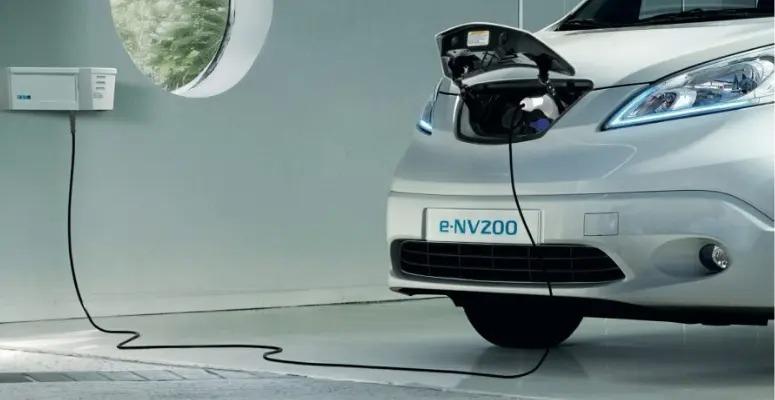
In the rapidly evolving world of transportation, range electric vehicles have emerged as a transformative solution for drivers seeking both efficiency and freedom. Unlike traditional electric vehicles that often raise concerns about battery limitations, these advanced models offer impressive distances on a single charge, providing reassurance to urban commuters and long-distance travelers alike. The evolution of battery technology, coupled with innovations in energy management, has enabled manufacturers to push the boundaries of what electric vehicles can achieve. This is not merely about extending miles; it is about redefining the entire concept of mobility, enhancing convenience, and reducing the environmental footprint simultaneously.
Advancements in Battery Technology
One of the most critical factors enabling long-distance electric travel is the evolution of battery technology. Lithium-ion batteries have long been the standard, offering reliable performance and reasonable cost. However, research into next-generation solid-state batteries promises to revolutionize the industry. These batteries provide higher energy density, faster charging times, and longer lifespans, directly addressing the traditional limitations of electric vehicles. Innovations such as thermal management systems, layered cathode structures, and advanced electrolyte compositions contribute to optimizing energy storage and utilization, ensuring that drivers can travel farther with confidence.
Battery modularity is another advancement that enhances the practicality of long-range electric vehicles. By designing battery packs that can be easily expanded, replaced, or upgraded, manufacturers are creating vehicles that adapt to evolving needs. This modular approach reduces waste, improves sustainability, and provides flexibility for drivers who require greater distances for long journeys.
Efficient Energy Management
The capability of range electric vehicles extends beyond battery chemistry. Intelligent energy management systems play a pivotal role in optimizing performance and maximizing distance. Regenerative braking recovers kinetic energy during deceleration and converts it back into electrical energy stored in the battery. This not only increases efficiency but also reduces wear on mechanical components. Advanced onboard computing systems analyze driving patterns, terrain, and weather conditions to adjust power delivery dynamically, ensuring the most efficient use of energy.
Aerodynamic design also contributes significantly to energy efficiency. Sleek vehicle profiles reduce drag, minimizing energy loss at higher speeds. Lightweight materials, such as aluminum alloys and carbon-fiber composites, further enhance efficiency without compromising safety or structural integrity. The integration of smart climate control, energy-saving lighting, and optimized tire technology creates a comprehensive ecosystem that allows electric vehicles to extend their operational range effectively.
Charging Infrastructure and Accessibility
Long-range electric vehicles rely on an expanding network of charging stations to support extended travel. Ultra-fast charging networks enable batteries to recharge in under an hour, making it feasible to undertake lengthy journeys without significant delays. Smart charging stations coordinate with vehicle software to manage peak load, optimize energy sourcing, and provide real-time updates on availability and charging speed.
Wireless charging is emerging as a convenient option for urban dwellers and fleet operators. By embedding charging pads in parking spaces or roadways, vehicles can recharge seamlessly without manual intervention. These advancements make range electric vehicles not only practical for individual use but also suitable for commercial applications, including delivery fleets and ride-sharing services.
Environmental Benefits of Extended Range
The environmental impact of long-range electric vehicles extends beyond the elimination of tailpipe emissions. By facilitating extended travel on a single charge, these vehicles reduce reliance on fossil fuels, decreasing greenhouse gas emissions significantly. When paired with renewable energy sources, such as solar, wind, or hydroelectric power, the environmental benefits compound, offering a sustainable alternative for both daily commuting and long-distance travel.
Battery recycling and responsible sourcing of critical minerals are becoming essential components of the sustainability equation. Modern electric vehicle manufacturers are investing in closed-loop systems to reclaim valuable materials from spent batteries, ensuring that environmental responsibility continues throughout the vehicle’s lifecycle.
Design Innovations for Long-Distance Comfort
Long journeys demand comfort, and designers of range electric vehicles are responding with innovative interiors. Spacious cabins, ergonomic seating, and adaptive climate control create a pleasant environment for drivers and passengers alike. Noise reduction technology, including enhanced insulation and silent drivetrains, contributes to a more serene travel experience.
Infotainment and connectivity options are increasingly sophisticated, integrating navigation systems that optimize route efficiency, predict charging stops, and provide real-time traffic updates. Augmented reality dashboards and voice-activated controls minimize driver distraction while enhancing engagement. These features collectively transform the long-distance electric vehicle from a mere mode of transportation into a mobile sanctuary.
Market Trends and Consumer Adoption
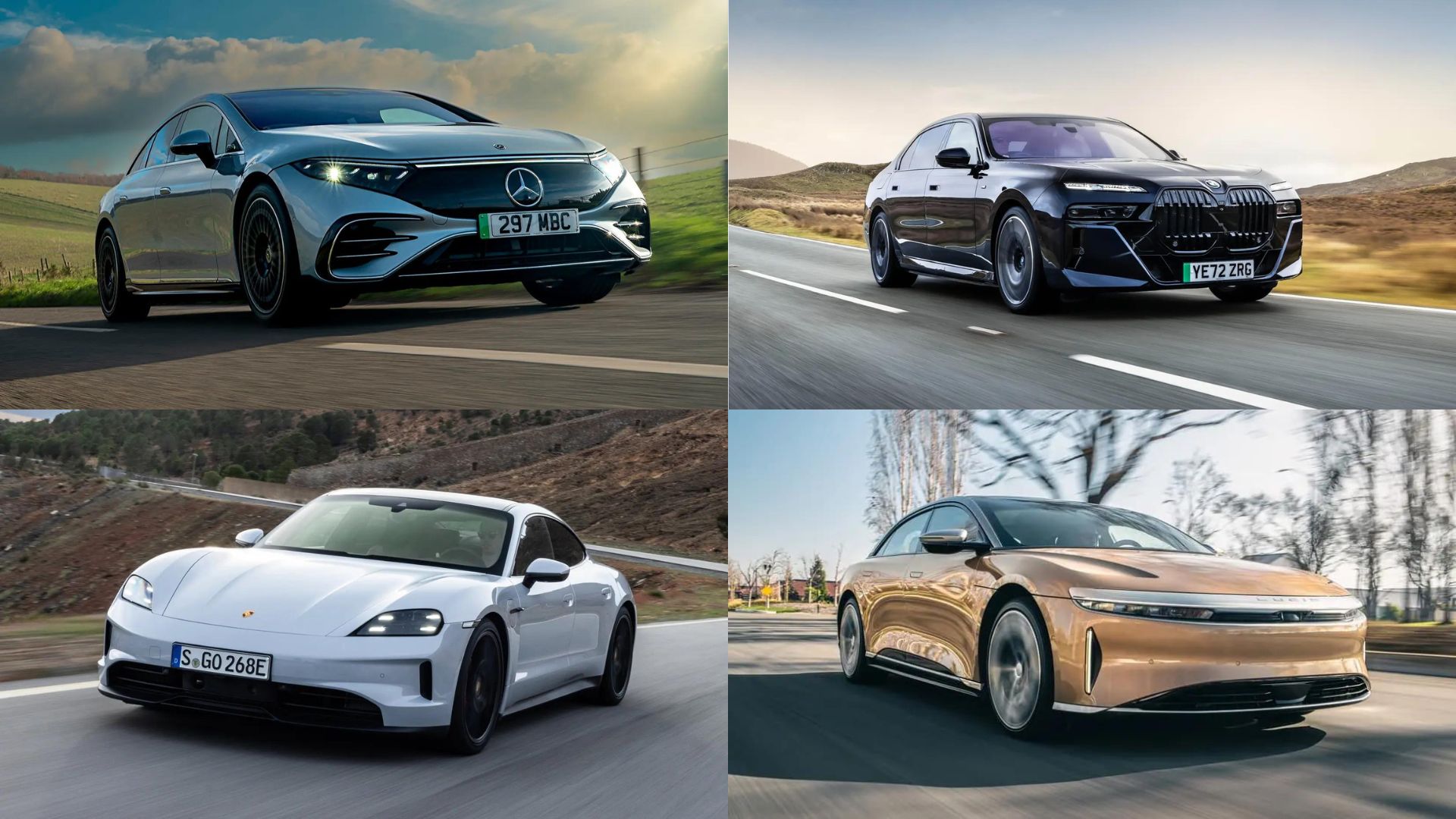
The adoption of long-range electric vehicles is accelerating globally, driven by consumer demand for practicality, sustainability, and performance. Automotive manufacturers are expanding their portfolios to include vehicles capable of 300 to 500 miles on a single charge, bridging the gap between electric and traditional internal combustion vehicles. Early adopters are increasingly drawn to the combination of environmental consciousness and economic efficiency, recognizing the long-term benefits of reduced fuel costs and lower maintenance requirements.
Governments and regulatory bodies are incentivizing electric vehicle adoption through tax credits, rebates, and subsidies. Infrastructure investment, urban planning, and public awareness campaigns are creating an ecosystem that supports widespread adoption. The synergy between policy, technology, and consumer behavior is pivotal in driving the success of range electric vehicles.
Safety and Reliability
Safety remains paramount in the design of long-range electric vehicles. Advanced driver-assistance systems (ADAS) provide lane-keeping support, adaptive cruise control, collision detection, and automated emergency braking. These systems integrate seamlessly with energy management software to optimize battery use while maintaining the highest standards of safety.
Battery integrity is also a critical consideration. Thermal management systems prevent overheating, while real-time monitoring ensures that cells operate within safe parameters. Redundant safety mechanisms and robust vehicle architecture provide peace of mind for long-distance travelers, ensuring reliability under various conditions.
Future Developments
Looking ahead, the future of range electric vehicles is intertwined with advances in battery chemistry, artificial intelligence, and energy infrastructure. Solid-state batteries, hydrogen fuel cells, and hybrid energy systems are poised to expand the operational capabilities of electric vehicles even further. Autonomous driving, enhanced connectivity, and vehicle-to-grid integration will redefine mobility, creating ecosystems where energy, transportation, and data converge.
Emerging technologies such as wireless charging on highways, predictive maintenance algorithms, and modular energy storage will make long-distance electric travel more seamless and accessible. As renewable energy becomes increasingly integrated into national grids, the carbon footprint of extended travel will continue to shrink, making sustainable mobility a reality rather than a concept.
Integration with Smart Mobility Solutions
Long-range electric vehicles are not isolated innovations; they are part of a broader vision of intelligent mobility. Integration with smart city infrastructure allows vehicles to communicate with traffic systems, public transit, and other connected devices, optimizing routes and reducing congestion. Shared mobility solutions, including ride-hailing and car-sharing platforms, benefit from extended range capabilities, enabling efficient service in both urban and suburban contexts.
Energy management at the city level benefits from the predictable charging patterns of long-range electric vehicles. By acting as distributed energy storage units, these vehicles can support grid stability, store surplus renewable energy, and participate in demand-response programs, creating a symbiotic relationship between transportation and urban energy systems.
About the Author