The automotive world is witnessing a significant transformation as drivers electric vehicles increasingly choose battery-powered alternatives over traditional combustion engines. This shift is not merely a matter of environmental concern or regulatory compliance; it reflects a broader evolution in consumer expectations, technology adoption, and lifestyle preferences. From metropolitan commuters seeking convenience to performance enthusiasts craving instant torque, electric vehicles (EVs) are capturing a wide range of drivers through a combination of innovation, efficiency, and style. Understanding why EVs are winning drivers over requires a deep dive into technological advancements, practical benefits, and the evolving cultural perception of driving.
Performance That Surprises
Electric vehicles defy traditional notions of performance. Instant torque delivery allows for rapid acceleration from a standstill, giving drivers an immediate sense of power and responsiveness. Vehicles like the Tesla Model S Plaid or the Porsche Taycan demonstrate that EVs can rival or even surpass high-performance sports cars powered by internal combustion engines.
The absence of engine noise also contributes to a refined driving experience. EVs offer a smooth, quiet ride that emphasizes precision and control. Regenerative braking systems enhance performance while extending range, allowing drivers to enjoy both efficiency and a dynamic driving experience. This combination of responsiveness, smoothness, and innovative engineering is one of the key reasons drivers are increasingly drawn to electric vehicles.
Environmental Impact and Conscious Driving
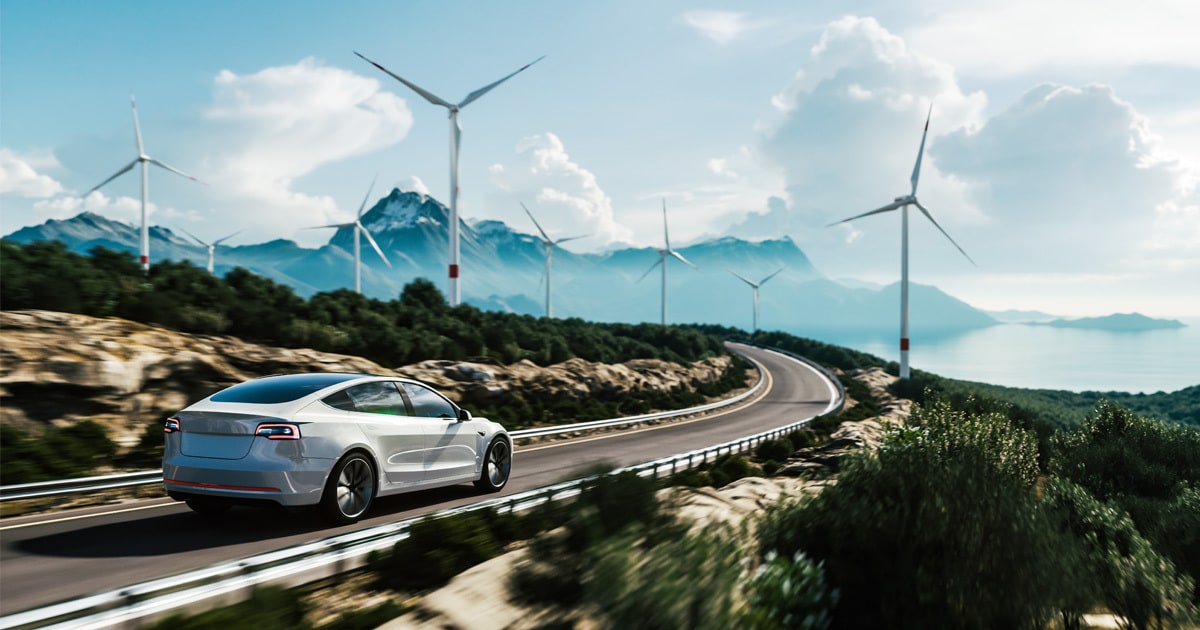
For many drivers, the environmental advantages of EVs are compelling. Reduced tailpipe emissions directly contribute to cleaner air and a lower carbon footprint. Beyond these immediate benefits, EVs often integrate with renewable energy sources, enabling drivers to further reduce their environmental impact through home charging with solar panels or participation in green energy programs.
This sense of responsible driving resonates with a growing number of consumers. Drivers are no longer merely seeking transportation; they want their vehicles to align with personal values and a broader commitment to sustainability. The environmental appeal of electric vehicles makes them more than just practical; they become a statement of conscience and modern living.
Economic Incentives and Cost Savings
The financial considerations of EV ownership are increasingly attractive to drivers. Many governments offer incentives such as tax credits, rebates, and reduced registration fees, lowering the upfront cost of adoption. Over time, lower fuel costs, reduced maintenance requirements, and fewer moving parts contribute to significant long-term savings.
Electric vehicles do not require oil changes, and components like regenerative braking reduce wear on brake pads. These factors combine to create an ownership experience that is often more economical than that of a comparable gasoline-powered vehicle. The alignment of fiscal practicality with advanced technology further encourages drivers to make the switch.
Charging Infrastructure and Convenience
One of the barriers that initially deterred drivers from adopting electric vehicles was the availability of charging infrastructure. Today, rapid expansion of charging networks has addressed this concern. Public charging stations are becoming commonplace in urban areas, along highways, and at workplaces, making long-distance travel more feasible.
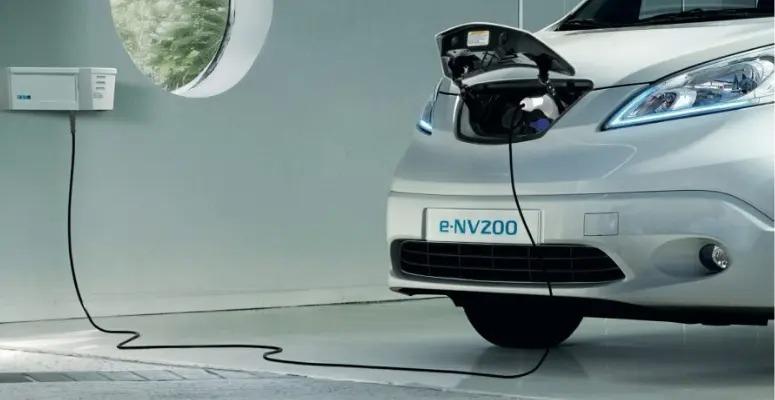
Home charging is another convenience factor. Drivers can charge their vehicles overnight, waking to a fully replenished battery. Smart charging apps allow scheduling during off-peak hours, optimizing energy costs. These improvements in infrastructure and accessibility make electric vehicles increasingly practical for a wide array of drivers, whether commuting daily or embarking on longer journeys.
Safety and Advanced Features
Electric vehicles often incorporate advanced safety technologies, appealing to drivers who prioritize protection on the road. Features such as automatic emergency braking, adaptive cruise control, lane departure warning, and collision avoidance systems are frequently standard.
The structural design of EVs also enhances safety. The placement of heavy battery packs low in the chassis improves stability and lowers the center of gravity, reducing rollover risk. Furthermore, electric drivetrains eliminate the need for large, combustible engines, minimizing potential hazards in collisions. The combination of passive and active safety measures reinforces drivers’ confidence in EV adoption.
User Experience and Digital Integration
The integration of digital technology in electric vehicles elevates the driving experience. High-resolution touchscreens, digital instrument clusters, and voice-activated controls create an intuitive interface. Navigation, media, and vehicle diagnostics are seamlessly integrated, allowing drivers to focus on the road while remaining connected.
EVs also leverage over-the-air updates, ensuring that vehicle software continuously evolves and improves. This technological adaptability appeals to drivers who value innovation and connectivity. Personalized driving modes, app-based remote controls, and AI-assisted systems further enhance convenience and engagement, turning each journey into a tailored experience.
Performance in Diverse Environments
Electric vehicles are proving their adaptability across varied driving conditions. Whether navigating congested urban streets, cruising on open highways, or tackling hilly terrain, EVs perform reliably and efficiently. Torque delivery and instant power make uphill driving effortless, while regenerative braking provides control on descents.
Many models feature adjustable suspension and traction systems, allowing drivers to optimize performance for weather conditions or road surfaces. This versatility broadens the appeal of electric vehicles, convincing drivers that they are capable alternatives to traditional cars in every context.
Cultural Shift and Social Influence
The popularity of EVs is reinforced by cultural and social dynamics. Driving an electric vehicle is increasingly associated with modernity, environmental awareness, and technological sophistication. Media exposure, social media advocacy, and endorsements by high-profile figures amplify this perception.
Drivers are influenced not only by practical considerations but also by the status and identity that EV ownership conveys. Being part of the shift toward sustainable mobility becomes a social statement, contributing to the momentum of adoption.
Variety and Consumer Choice
One factor that appeals to drivers is the broad spectrum of available electric vehicles. From compact city cars to luxury sedans, performance-oriented sports cars, and versatile SUVs, there is an EV to suit nearly every lifestyle and preference.
Customization options further enhance appeal. Drivers can select from a wide range of colors, interior materials, wheel designs, and technological features. This personalization allows each driver to express individuality while enjoying the benefits of electric propulsion. The combination of choice, performance, and style ensures that drivers feel both empowered and satisfied with their selection.
Long-Term Reliability and Maintenance
Drivers increasingly recognize that electric vehicles can offer superior long-term reliability. Fewer moving parts mean reduced mechanical complexity, resulting in lower maintenance costs and less frequent servicing. Components such as regenerative braking systems and electric motors exhibit high durability, extending the lifespan of the vehicle.
Additionally, manufacturers often provide extensive warranties on batteries and drivetrains, further reassuring drivers of long-term reliability. Confidence in the longevity and dependability of EVs encourages adoption among pragmatic and risk-averse drivers alike.
Environmental Policy and Market Trends
Governmental regulations and market trends are accelerating the transition to electric mobility. Many countries are setting ambitious targets to phase out internal combustion engine vehicles, incentivizing drivers to adopt electric alternatives.
Urban policies that prioritize EVs, such as access to low-emission zones, parking privileges, and congestion charge exemptions, further influence driver behavior. The alignment of policy, infrastructure, and market availability reinforces the momentum of adoption and builds confidence among drivers contemplating the switch.
Psychological Factors and Driving Satisfaction
Beyond practical and economic considerations, electric vehicles appeal to drivers on a psychological level. The quiet, smooth operation and instant responsiveness provide a sensory satisfaction distinct from traditional vehicles. Drivers often report enhanced enjoyment, reduced fatigue, and a stronger connection to the driving experience.
The knowledge that their vehicle contributes positively to the environment also fosters a sense of personal fulfillment. These emotional and cognitive factors strengthen loyalty to EVs and encourage positive word-of-mouth advocacy among drivers.
The Influence of Brand Innovation
Automakers’ commitment to innovation plays a crucial role in winning drivers over. Companies like Tesla, Rivian, Lucid, and traditional manufacturers embracing electrification have invested heavily in research and design to create compelling vehicles.
Cutting-edge design, high-tech interiors, and attention to detail convey a sense of progressiveness that attracts drivers seeking modern, forward-thinking mobility solutions. Brand reputation and perception reinforce the appeal of electric vehicles, making them aspirational and desirable.
The Future Outlook
As battery technology advances, charging infrastructure expands, and consumer awareness grows, the adoption of electric vehicles is set to accelerate. Enhanced energy density, faster charging times, and longer ranges address lingering concerns, making EVs practical for even more drivers.
Automotive manufacturers are exploring modular designs, autonomous driving integration, and even shared mobility solutions. These developments promise to further enhance the utility, style, and appeal of electric vehicles, solidifying their role as a central component of the future automotive landscape.
Driving Diversity: Meeting Individual Needs
Electric vehicles are increasingly tailored to diverse driving patterns. Urban commuters benefit from compact, efficient models with excellent maneuverability and regenerative braking, while long-distance travelers enjoy vehicles with extended range, fast charging capabilities, and comfortable interiors.
Families and adventure enthusiasts find EVs that accommodate cargo needs, towing capacities, and off-road capability without sacrificing style or efficiency. This diversity ensures that nearly every driver can find a vehicle that aligns with their lifestyle, preferences, and practical requirements.
Social Responsibility and Corporate Commitment
Many drivers are drawn to electric vehicles because of the broader corporate and societal commitment to sustainability. Automakers investing in renewable energy initiatives, battery recycling programs, and carbon-neutral manufacturing practices convey a dedication to responsible innovation.
This alignment between corporate values and consumer expectations enhances trust and loyalty. Drivers are not just purchasing a vehicle; they are supporting a vision of a cleaner, smarter, and more sustainable future.
About the Author