The modern automotive landscape is witnessing a profound shift as drivers increasingly turn to cost electric vehicles to reduce expenses, improve efficiency, and adopt sustainable practices. The economic advantages of electric vehicles (EVs) are multifaceted, extending beyond the purchase price to include operational, maintenance, and energy savings. With advancements in battery technology, infrastructure, and software-driven efficiency, EVs offer a compelling alternative to traditional internal combustion engine vehicles.
The Evolution of Electric Vehicle Economics
Initially, electric vehicles were considered expensive and limited to niche markets due to high battery costs and small production scales. However, the last decade has seen dramatic reductions in battery prices, which now represent a smaller proportion of the total vehicle cost. Mass production, improved battery chemistries, and economies of scale have made EVs more accessible to everyday consumers.
Government incentives, tax credits, and subsidies further reduce the effective purchase price of EVs, making them a financially viable option for a wider audience. In addition, leasing and subscription models allow drivers to enjoy the benefits of electric mobility without the burden of high upfront costs.
Operational Cost Advantages
One of the most tangible benefits of electric vehicles is the lower cost of operation. Electricity as a fuel is generally cheaper than gasoline or diesel on a per-mile basis, especially when charging at home during off-peak hours. This results in significant long-term savings, particularly for high-mileage drivers.
EVs also benefit from regenerative braking systems, which recover energy during deceleration and reduce overall energy consumption. By utilizing stored energy efficiently, these vehicles extend range and further lower energy costs compared to traditional vehicles.
Maintenance and Durability Savings
Electric vehicles have fewer moving parts than internal combustion engine vehicles. There is no need for oil changes, fuel filters, or complex exhaust systems, which are common sources of repair costs in gasoline-powered cars. Brakes tend to last longer due to regenerative braking, and electric motors generally require less routine maintenance.
Battery longevity has improved significantly, with many manufacturers offering warranties of eight years or more. This reliability reduces unexpected repair costs and enhances the total cost of ownership advantage.
Charging Infrastructure and Cost Management
The proliferation of charging infrastructure has improved convenience and reduced potential costs associated with EV ownership. Public charging networks offer competitive rates, and some utilities provide special EV tariffs that make charging during off-peak hours cheaper.
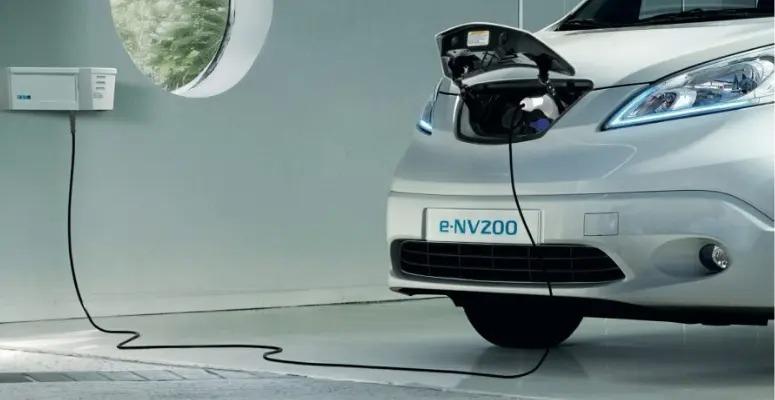
Home charging systems allow drivers to take advantage of low electricity rates, further reducing operational expenses. Additionally, smart charging technologies enable optimal energy use, adapting charging schedules to minimize costs and leverage renewable energy when available.
Impact on Fleet Operations
For commercial and municipal fleets, switching to electric vehicles can result in substantial savings. Delivery companies, ride-hailing services, and public transportation agencies benefit from lower fuel expenditures, reduced maintenance needs, and predictable energy costs.
Fleet management software integrates with EVs to monitor energy consumption, optimize routes, and schedule charging efficiently. Over time, these efficiencies compound, reducing total fleet operating costs and improving overall service quality.
Insurance and Resale Value Considerations
Insurance rates for electric vehicles are gradually becoming more competitive as market familiarity increases. While some EVs may carry higher premiums due to repair costs associated with battery replacements, overall savings from reduced accident frequency and lower maintenance can offset these expenses.
Resale value is another factor contributing to cost reduction. As EV adoption grows and battery technology continues to improve, used electric vehicles retain value better than initially expected. Buyers recognize the operational cost advantages and environmental benefits, maintaining demand in the secondary market.
Technological Innovations Supporting Cost Reduction
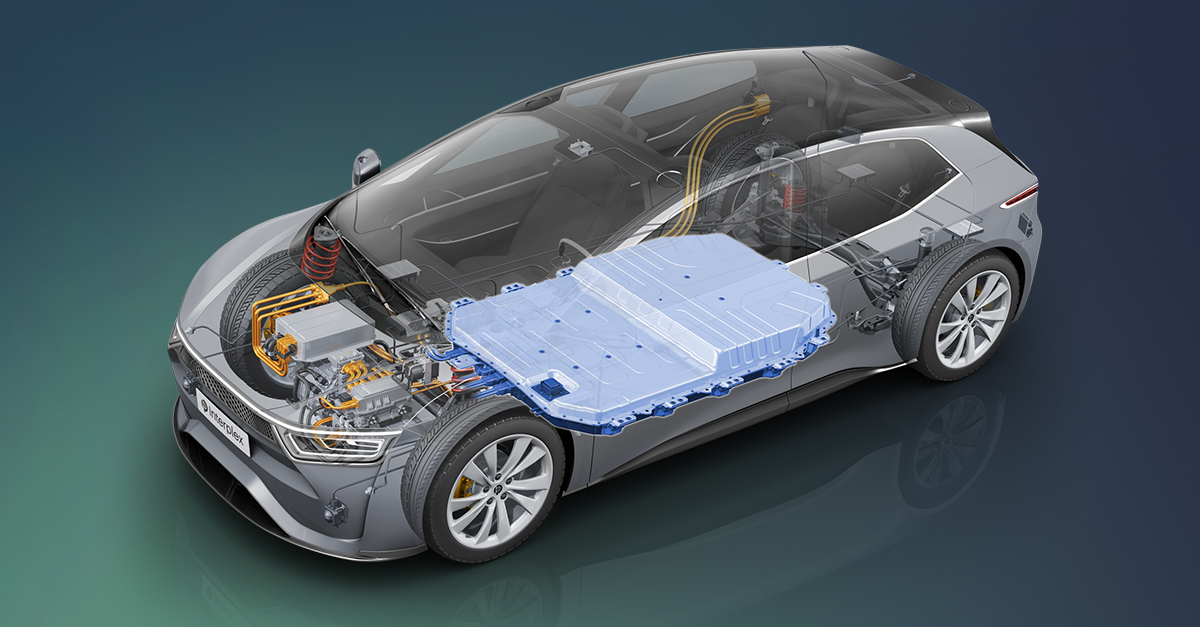
Battery technology remains central to cost savings in EVs. Higher energy densities allow longer ranges per charge, reducing the need for frequent charging stops and enabling efficient daily use. Solid-state batteries, fast-charging systems, and advanced thermal management further enhance efficiency and reduce operational costs.
Software-driven energy management and predictive maintenance contribute to lower long-term expenses. Vehicles can alert drivers to optimal charging times, potential mechanical issues, and efficient driving behaviors, all of which support cost-conscious operation.
Environmental and Economic Synergies
Reducing fuel and maintenance costs is only part of the equation. Electric vehicles help mitigate environmental costs by reducing greenhouse gas emissions and air pollution. Cleaner energy use translates into fewer societal and healthcare expenditures related to pollution, indirectly contributing to economic benefits for communities.
Companies investing in EVs can also leverage these environmental advantages for branding, compliance with regulations, and participation in sustainability initiatives. The financial and reputational benefits reinforce the overall cost-efficiency narrative.
Case Studies in Cost Efficiency
Multiple case studies illustrate the cost advantages of electric vehicles. Urban delivery services adopting EVs report up to 50 percent savings in fuel and maintenance compared to diesel trucks. Municipal bus fleets operating on electricity achieve similar reductions in operating expenses, while also improving air quality and noise levels in cities.
Private consumers have documented annual savings through home charging and low maintenance needs. Over a vehicle’s lifetime, the cumulative savings can offset higher upfront purchase prices, making EVs a sound financial investment.
Global Trends and Market Dynamics
Worldwide adoption of electric vehicles continues to grow, driven by policy support, technological improvements, and consumer awareness. Regions with robust renewable energy infrastructure see even greater cost advantages, as electricity is cleaner and cheaper than fossil fuels.
Automakers are responding by offering more models at competitive prices, expanding charging networks, and investing in battery research to drive costs down further. The market dynamics are increasingly favorable for consumers seeking both economic and environmental benefits.
Challenges and Mitigation Strategies
Despite clear cost advantages, barriers remain. High initial purchase prices, limited access to fast charging, and uncertainty about battery replacement can deter some buyers. Manufacturers and policymakers are addressing these challenges through incentives, expanded infrastructure, and battery leasing programs.
Education is also crucial. Consumers need clear information about total cost of ownership, including fuel, maintenance, and potential savings, to make informed decisions. Transparency and robust support networks reduce perceived risks and accelerate adoption.
Lifestyle Implications of Cost Savings
Adopting electric vehicles influences more than finances; it reshapes commuting, travel planning, and energy consumption habits. Drivers become more attuned to electricity usage patterns, charging opportunities, and energy-efficient driving techniques.
Families, commuters, and businesses all benefit from predictable transportation costs, enabling better budgeting and planning. Over time, these cost-conscious behaviors integrate into daily life, reinforcing the economic advantages of EV ownership.
Future Outlook for Cost Reduction
The future of electric vehicles promises even greater cost efficiencies. Advancements in battery chemistry, mass production of key components, and integration with smart grids will further reduce operational expenses. Emerging technologies like wireless charging, vehicle-to-grid systems, and shared autonomous EVs offer new avenues for savings and convenience.
Global collaboration on standards, incentives, and infrastructure expansion ensures that EVs remain competitive with internal combustion vehicles across all segments. The combination of technological, regulatory, and market forces positions electric vehicles as a financially prudent choice for drivers worldwide.
About the Author