The global automotive landscape is undergoing an extraordinary transformation, shifting from the familiar rumble of combustion engines to the quiet confidence of electric mobility. For those curious about the transition, an electric readiness guide serves as the perfect starting point, helping drivers understand whether the new wave of innovation is truly accessible to all. Electric vehicles are no longer futuristic fantasies confined to concept stages or luxury showrooms. They are here, tangible and attainable, shaping roads, policies, and lifestyles in real time. Yet, the pivotal question remains: are they ready for everyone?
The Evolution of Accessibility
The early era of electric vehicles was defined by exclusivity. High price tags, limited range, and sparse charging options made ownership feasible only for a small group of early adopters. Over the past decade, however, the narrative has evolved dramatically. Costs have declined, infrastructure has expanded, and the technology has matured.
Today, electric vehicles come in various shapes and formsfrom compact city cars to rugged SUVs and sleek sedans. Manufacturers worldwide have embraced electrification, broadening their portfolios to attract drivers across economic and lifestyle spectrums. Governments, too, are paving the way with incentives, tax credits, and infrastructure investments designed to level the playing field.
Accessibility is no longer defined solely by affordability. It includes convenience, reliability, and the ease with which electric driving integrates into everyday life. With improvements in charging networks and range capacity, electric mobility is becoming an increasingly realistic option for millions.
Charging Infrastructure: The Backbone of Adoption
A reliable charging network is essential for electric vehicle adoption. Early critics often highlighted the scarcity of chargers as a primary deterrent. In response, nations and corporations have embarked on massive infrastructure projects, installing public and private charging points across highways, parking facilities, and residential areas.
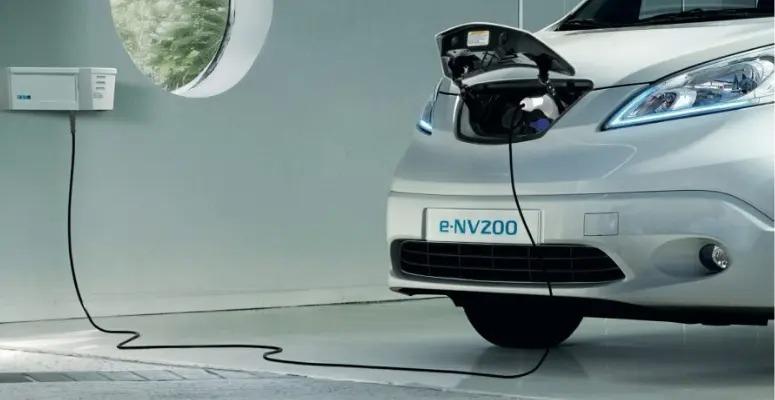
Home charging remains the most convenient option for many, allowing drivers to start each day with a full battery. Workplace charging has also gained popularity, particularly in urban centers. Meanwhile, ultra-fast public chargers now make long-distance travel viable, replenishing batteries in a fraction of the time once required.
Technology has streamlined the experience further. Smartphone applications locate nearby charging points, monitor energy usage, and even schedule charging sessions during off-peak hours to reduce costs. Integration with renewable energy sources ensures that each charge contributes to a cleaner planet.
Range Anxiety and Reality
Range anxiety, the fear of running out of power mid-journey, once haunted potential buyers. Today, that concern is rapidly fading. Modern electric vehicles offer ranges that comfortably meet or exceed average daily driving needs. Many models now exceed 300 miles on a single charge, rivaling the convenience of traditional gasoline vehicles.
Battery efficiency continues to improve through advancements in chemistry, design, and software management. Manufacturers are experimenting with solid-state batteries that promise even greater energy density and faster charging. The once-feared inconvenience of recharging has become a simple matter of planning and habit.
Psychological barriers often outlast technological ones. As charging stations become more visible and reliable, public confidence follows suit. Drivers are realizing that electric vehicles can fit seamlessly into their routines without compromise.
Affordability and the Economics of Ownership
One of the most persistent myths about electric vehicles is that they are too expensive for the average consumer. While the initial purchase price may still exceed that of comparable gasoline models, the total cost of ownership tells a different story.
Electric vehicles have fewer moving parts, leading to lower maintenance requirements. There are no oil changes, fewer brake replacements, and reduced wear on mechanical components. Electricity is also cheaper than gasoline in most regions, especially when charging during off-peak hours or using renewable sources like solar panels.
Government incentives further tip the balance in favor of electric ownership. Rebates, reduced registration fees, and tax credits have made adoption more affordable than ever. Fleet operators and businesses are particularly benefiting from lower operational costs, leading to large-scale electrification of delivery and public transport systems.
Over time, the financial gap between electric and gasoline vehicles is closing rapidly. Analysts predict that price parity will be reached within the next few years, making electric mobility not only environmentally wise but also economically inevitable.
Environmental Benefits and Misconceptions
Electric vehicles are widely celebrated for their environmental benefits, yet misconceptions still cloud public understanding. Critics often argue that battery production and electricity generation offset the ecological advantages. However, when viewed through a full lifecycle analysis, electric vehicles consistently outperform their gasoline counterparts in terms of emissions reduction.
Battery recycling initiatives are expanding, reclaiming valuable materials and reducing waste. Additionally, the integration of renewable energy into power grids ensures that charging becomes increasingly sustainable. As solar, wind, and hydroelectric sources continue to replace fossil fuels, electric driving will approach true zero-emission status.
The broader environmental impact extends beyond tailpipe emissions. Reduced air pollution in urban areas translates to improved public health, cleaner skies, and quieter cities. Every electric vehicle on the road represents a measurable improvement in air quality and noise reduction, contributing to a healthier planet.
Technology and User Experience
Electric vehicles exemplify the intersection of innovation and comfort. Advanced software integration allows for personalized driving experiences, real-time diagnostics, and seamless connectivity. Over-the-air updates continuously enhance performance and add new features, ensuring that vehicles improve long after purchase.
Driver assistance systems, regenerative braking, and intuitive interfaces make operation both safer and more enjoyable. Some models incorporate artificial intelligence that learns driving habits, optimizing energy consumption for individual patterns.
The transition to electric is also redefining how drivers interact with vehicles. The absence of noise and vibration creates a tranquil driving environment, while instant torque delivers exhilarating performance. For many, the first experience behind the wheel of an electric car is both surprising and delightfula blend of serenity and power that traditional vehicles struggle to match.
Rural vs. Urban Accessibility
The readiness of electric vehicles varies across regions. Urban centers enjoy a significant advantage due to concentrated infrastructure and shorter travel distances. Cities have rapidly adopted electrification through shared mobility services, taxis, and delivery fleets.
Rural areas, however, face unique challenges. Sparse charging infrastructure and longer distances between destinations can deter adoption. Yet progress is evident here too. Governments and private companies are investing in expanding coverage, ensuring that rural residents are not left behind.
Community charging stations, mobile chargers, and renewable microgrids are transforming accessibility even in remote regions. As technology matures, electric mobility will transcend geographical boundaries, reaching communities once considered out of reach.
Psychological Readiness and Cultural Acceptance
Technological readiness is only half the battle. For widespread adoption, cultural readiness must follow. Drivers are gradually shifting their perceptions, viewing electric mobility not as a luxury but as a logical evolution of modern transportation.
Generational attitudes play a significant role. Younger consumers, raised amid climate awareness and digital integration, view electric vehicles as natural choices. Older generations, though initially cautious, are warming to the practicality and reliability of the technology.
Education and exposure remain vital. Public demonstrations, test drives, and transparent communication from manufacturers demystify electric ownership. When people experience the smoothness, quietness, and efficiency firsthand, skepticism fades quickly.
Global Trends and Policy Support
The readiness of electric vehicles depends heavily on government action. Policy frameworks around the world are accelerating the shift through subsidies, emissions regulations, and infrastructure funding.
Countries such as Norway, the Netherlands, and China have achieved remarkable adoption rates by combining incentives with public education. In many places, deadlines for phasing out internal combustion engine sales have already been set, signaling a clear commitment to electrification.
Meanwhile, automakers are aligning their strategies accordingly. Major brands have pledged to transition fully to electric production within the next decade. This convergence of political will, industrial momentum, and consumer enthusiasm marks a pivotal turning point in the history of mobility.
Challenges That Remain
Despite significant progress, challenges persist. Charging speed, battery degradation, and material sourcing continue to demand attention. Extreme climates also affect battery performance, requiring ongoing innovation to ensure reliability under all conditions.
Grid capacity presents another obstacle. As electric vehicle numbers surge, energy networks must adapt to handle increased demand. Smart grids, renewable integration, and decentralized power generation offer promising solutions, but widespread implementation takes time.
Consumer education is equally critical. Many potential buyers remain unaware of available incentives or underestimate charging convenience. Addressing these knowledge gaps through outreach and transparency is essential for achieving mass readiness.
The Role of Industry Collaboration
No single entity can accelerate readiness alone. Collaboration between automakers, governments, energy providers, and consumers is key to a successful transition. Partnerships have already begun to emerge, blending expertise from diverse sectors to build cohesive ecosystems.
Automotive companies are joining forces with tech giants to enhance software and connectivity. Energy corporations are co-developing charging infrastructure with municipalities. Startups are innovating in battery design and recycling, driving efficiency across the supply chain.
This collaborative spirit reflects the shared recognition that the future of transportation is electric, and the responsibility for its success is collective.
Electric Mobility and Social Equity
True readiness must also include social equity. Access to electric vehicles should not be limited to privileged groups or regions. Ensuring affordability and accessibility across income levels is essential for a just transition.
Public transportation electrification is playing a crucial role here. Electric buses and trams are making sustainable mobility available to millions, reducing emissions in densely populated areas. Car-sharing and subscription models are further expanding accessibility, allowing people to experience electric driving without full ownership costs.
In developing nations, localized manufacturing and affordable models are emerging to meet diverse needs. This inclusivity ensures that electrification benefits society as a whole, not just a select few.
The Integration of Renewable Energy
Electric vehicles are at their most powerful when paired with renewable energy. The synergy between the two technologies forms the cornerstone of sustainable transportation. Solar-powered charging stations, wind-integrated grids, and vehicle-to-grid (V2G) systems exemplify this harmony.
Through bidirectional charging, electric vehicles can supply stored energy back to the grid during peak demand, stabilizing power systems. This dynamic interaction transforms vehicles into active participants in the energy ecosystem, not merely consumers of electricity.
As nations push toward net-zero emissions, the role of electric mobility will expand from transportation to energy management. The future of clean power and clean driving is deeply intertwined.
Technological Innovations on the Horizon
Electric mobility is evolving at breathtaking speed. Innovations once considered futuristic are now imminent realities. Wireless charging technology, for instance, promises effortless recharging without cables or plugs. Vehicles will simply park over embedded charging pads, and energy will flow seamlessly.
Battery technology continues to evolve, focusing on higher density, faster charging, and longer lifespan. Solid-state batteries and alternative chemistries like sodium-ion offer hope for cost reduction and safety improvement.
Artificial intelligence will further enhance efficiency, predicting optimal routes, energy use, and maintenance schedules. The electric vehicle of tomorrow will not only drive itself but think for itself, optimizing every aspect of performance and sustainability.
Preparing for an Electric Future
For individuals considering the switch, readiness involves more than technologyit involves mindset. Understanding charging options, range requirements, and cost implications helps build confidence in the decision.
An electric readiness guide encourages prospective owners to evaluate their driving habits, access to infrastructure, and environmental priorities. Those who take the time to plan find the transition smooth and rewarding.
Communities, too, must prepare collectively. Schools, workplaces, and local governments can foster awareness through education and investment. The electric future is not a distant dreamit is unfolding now, inviting participation from every level of society.
About the Author