In a world increasingly conscious of environmental footprints, the rise of electric vehicles stands as a beacon of innovation, efficiency, and responsibility. This movement toward sustainability is not just about technology or design; it’s about redefining what it means to move through the world responsibly. The evolution of clean driving options has opened doors to a future where mobility aligns harmoniously with ecological balance, personal comfort, and technological brilliance.
The Journey Toward a Cleaner Tomorrow
The automotive industry has long been a symbol of progress. From the early days of combustion engines to the sleek designs of modern vehicles, cars have reflected humanity’s ambition to move faster, farther, and freer. Yet, progress has often come at a cost rising emissions, dependence on fossil fuels, and environmental degradation. Electric vehicles have emerged as the antidote to this legacy, combining innovation with conscience.
These vehicles represent a fundamental shift from extraction to regeneration. Instead of burning finite resources, they utilize electricity often sourced from renewable power. This transformation isn’t just mechanical; it’s philosophical. It asks us to reconsider the relationship between movement and sustainability, convenience and consciousness.
The world’s leading automakers are now reimagining mobility. Electric powertrains are being refined, batteries are becoming lighter and more efficient, and charging networks are spreading rapidly across continents. The once distant dream of a zero-emission future is now accelerating into reality.
Cleaner Air, Healthier Communities
Perhaps the most immediate benefit of electric vehicles is the air we breathe. Cities once clouded with smog are now seeing clearer skies. With no tailpipe emissions, electric cars eliminate pollutants such as nitrogen oxides and particulate matter major contributors to respiratory diseases and urban haze.
This transformation extends beyond aesthetics. Improved air quality translates to tangible public health benefits. Fewer pollutants mean fewer hospital visits, fewer premature deaths, and fewer children suffering from asthma caused by polluted environments. The ripple effects reach far and wide: reduced healthcare costs, stronger workforces, and communities that thrive in cleaner environments.
In essence, electric vehicles are not just about driving cleaner; they’re about living healthier. Each silent, emission-free journey contributes to a collective healing process an act of restoration for the planet and its people.
Economic Efficiency in Motion
Electric vehicles are also redefining the economics of driving. Traditional gasoline-powered cars have long burdened drivers with fluctuating fuel prices and extensive maintenance costs. In contrast, electric vehicles offer predictable and often significantly lower operating expenses.
Electricity is not only cheaper than gasoline per mile driven but also more stable in pricing. Drivers can charge their vehicles at home overnight, avoiding long queues and the unpredictability of gas stations. Maintenance costs drop dramatically as well, thanks to the simplicity of electric drivetrains. With fewer moving parts, there are no oil changes, spark plugs, or exhaust systems to replace.
For businesses and fleets, these savings scale exponentially. Lower maintenance downtime increases productivity, while reduced fuel expenditures free up capital for innovation and growth. The economic case for electric vehicles is not a futuristic projection; it is a present-day reality.
The Power of Innovation
Electric mobility has become a playground for innovation. Cutting-edge technologies are transforming what cars can do and how drivers interact with them. From advanced battery chemistry to artificial intelligence, each component contributes to an ecosystem of smarter, cleaner mobility.
Battery development, once a bottleneck, is now a focal point of global research. New materials like solid-state electrolytes and silicon anodes are increasing energy density and reducing charging time. These advancements are extending driving ranges, erasing one of the biggest barriers to electric adoption.
Meanwhile, intelligent software integrates vehicles with smartphones, homes, and even power grids. Drivers can precondition their car’s climate, monitor energy consumption, and receive real-time updates about optimal charging locations. Electric vehicles are not just transportation devices; they are digital companions responsive, adaptive, and intuitive.
Charging the Future
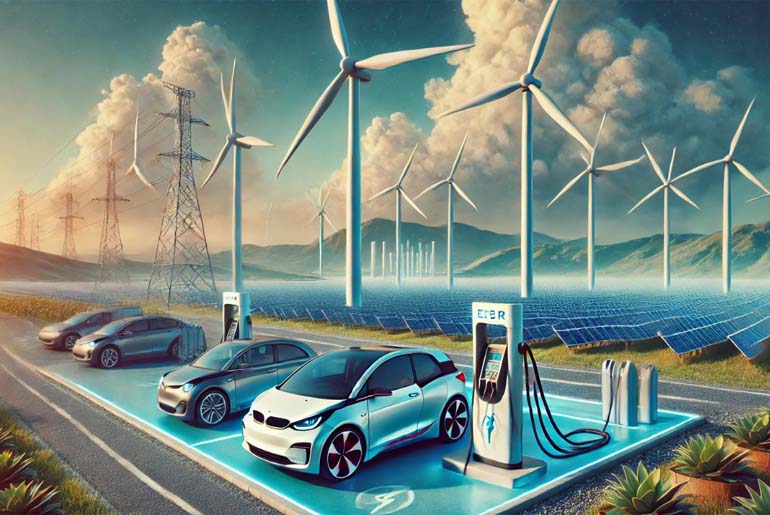
A key element of the electric revolution is infrastructure. Charging networks are expanding at an unprecedented pace, making electric mobility more accessible than ever. Fast chargers now enable drivers to replenish 80 percent of their battery in under half an hour, while ultra-fast systems are reducing this time even further.
Public and private investments are transforming highways, cities, and even rural regions into connected energy landscapes. Supermarkets, parking lots, and office complexes are becoming charging hubs. Governments and companies are also incentivizing home installations, turning garages into personal fueling stations powered by renewable energy.
The concept of range anxiety a major psychological barrier continues to fade as networks grow denser and technology advances. The ability to charge effortlessly, whether at home or on the go, has become one of the defining conveniences of the electric age.
Sustainability Beyond the Road
While the environmental benefits of electric vehicles are clear, their influence reaches far beyond the road. The manufacturing processes, supply chains, and energy systems surrounding electric mobility are evolving toward circular sustainability.
Battery recycling, once seen as a challenge, is now an emerging industry. Companies are pioneering methods to reclaim valuable materials like lithium, nickel, and cobalt, transforming waste into reusable resources. These innovations reduce dependence on mining and lower the overall carbon footprint of production.
Additionally, as more electricity comes from renewable sources, the entire lifecycle of electric vehicles becomes greener. From production to disposal, every stage reflects a commitment to environmental stewardship. The car of the future is not just a machine it is an integrated component of a sustainable ecosystem.
Driving Pleasure, Redefined
The transition to electric mobility isn’t merely about utility; it’s also about joy. Electric vehicles deliver instant torque, creating acceleration that feels both exhilarating and effortless. The absence of engine noise transforms driving into a serene experience, allowing passengers to appreciate the subtleties of motion.
This quiet, smooth ride enhances comfort and focus. Without the distractions of vibrations and gear shifts, drivers can engage more fully with the road. Advanced driver-assistance systems add layers of safety and convenience, from adaptive cruise control to automated parking.
Luxury automakers have embraced electric design to create interiors that rival fine living spaces. Sustainable materials such as vegan leather, recycled fabrics, and responsibly sourced wood accentuate the blend of ethics and elegance. In many ways, electric vehicles are redefining luxury as consciousness combined with comfort.
Empowering Personal Energy Independence
One of the most intriguing aspects of electric mobility is its synergy with home energy systems. Drivers who install solar panels and home batteries can power their vehicles using sunlight, achieving true energy independence. This self-sustaining cycle reduces reliance on centralized grids and fossil fuels while offering protection from fluctuating energy markets.
Moreover, emerging technologies like vehicle-to-home (V2H) and vehicle-to-grid (V2G) systems are transforming cars into dynamic energy assets. An electric vehicle can now store excess solar energy during the day and return it to a home or the grid during peak demand hours.
This interconnected ecosystem symbolizes the evolution of modern living where transportation, housing, and energy coexist harmoniously. The electric vehicle becomes more than a mode of travel; it becomes a cornerstone of sustainable living.
Social and Cultural Shifts
Electric mobility is reshaping culture as much as technology. For decades, car ownership was associated with power and performance. Today, it reflects consciousness, innovation, and shared responsibility. The decision to drive electric has become a statement about values about care for the planet, belief in progress, and trust in science.
Younger generations are particularly drawn to this vision. They see electric vehicles not as compromises, but as expressions of forward thinking. The aesthetic appeal of sleek designs, combined with digital integration, resonates with a generation raised on connectivity and environmental awareness.
Public perception has shifted rapidly. Where electric vehicles were once seen as niche, they are now aspirational. This cultural embrace fuels further innovation and accelerates adoption, creating a virtuous cycle of demand and improvement.
The Global Impact
As electric mobility spreads across continents, its effects are rippling through global economies and policies. Nations are competing to become leaders in battery manufacturing, renewable energy production, and automotive innovation. This competition is accelerating progress while fostering international collaboration.
Governments are offering incentives, tax breaks, and infrastructure funding to encourage adoption. Cities are implementing low-emission zones and banning older combustion vehicles. The momentum is unmistakable. Electric transportation is no longer an alternative it is becoming the standard.
The environmental gains are equally profound. Reduced oil consumption decreases geopolitical tensions and supports energy independence. Each electric vehicle on the road represents a small but meaningful step toward a more balanced global energy landscape.
From Fleet to Family: Adoption Across Sectors
The shift to electric mobility isn’t limited to personal cars. Commercial fleets, public buses, and even heavy trucks are joining the transition. Businesses are discovering that electric fleets lower operating costs and strengthen brand reputation. Municipalities are electrifying public transportation systems, improving urban air quality and reducing noise.
In the private sector, families are finding that electric vehicles fit seamlessly into daily life. With expanding model ranges from compact city cars to spacious SUVs there is now an electric solution for every lifestyle. Home charging means never having to visit a gas station, and government incentives make initial costs increasingly manageable.
As availability grows, electric mobility is becoming a shared reality rather than an exclusive privilege.
Technological Integration and Smart Connectivity
Electric vehicles sit at the intersection of transport and technology. Advanced connectivity features allow drivers to stay informed and in control. Real-time data on traffic, energy consumption, and maintenance ensures optimal efficiency. Over-the-air software updates continuously improve performance and add new functionalities.
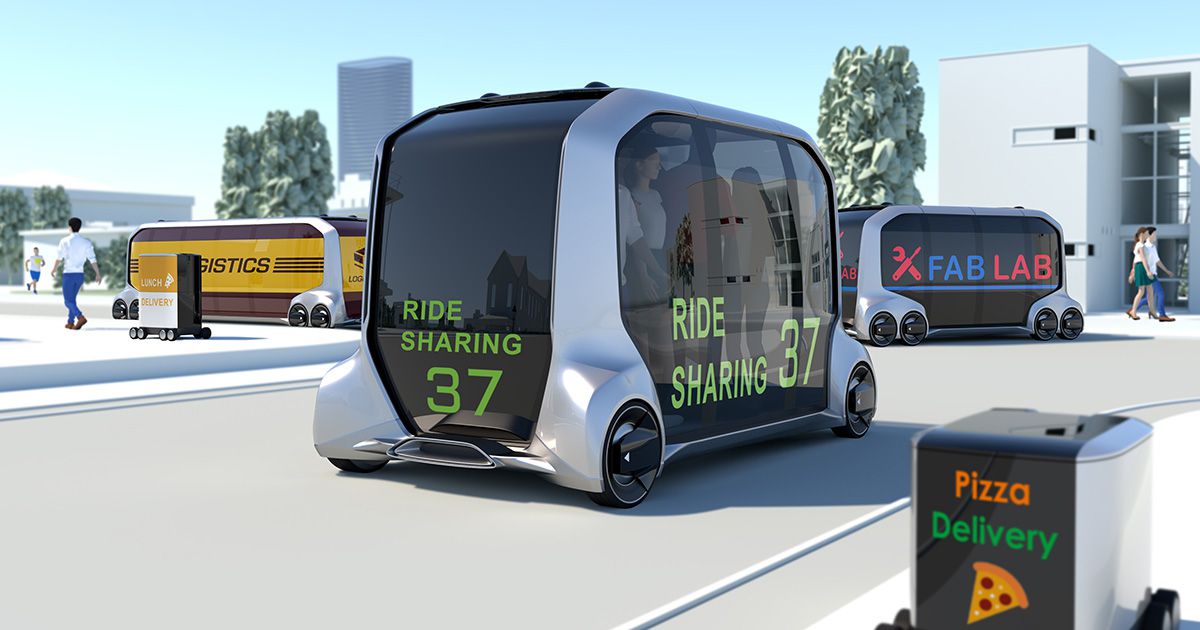
Artificial intelligence enhances the driving experience further. Predictive systems analyze patterns to optimize energy use, while autonomous driving capabilities promise safer roads. The car becomes an intelligent companion one that learns, adapts, and evolves.
This fusion of clean energy and smart technology symbolizes the new era of human mobility. It’s not merely about getting from one point to another; it’s about traveling intelligently, sustainably, and delightfully.
Reducing Carbon Footprints and Raising Awareness
Every electric vehicle reduces carbon emissions not just during operation but across its lifetime. As electricity grids transition to renewables, the environmental impact continues to decline. Life cycle assessments show that even with battery production included, electric cars remain significantly cleaner than their combustion counterparts.
More importantly, electric vehicles raise awareness. Each driver becomes an ambassador for sustainable living, inspiring others to rethink their choices. The visibility of electric mobility normalizes eco-friendly behavior and shifts societal expectations toward responsibility and innovation.
This collective consciousness forms the foundation of a cleaner, brighter future.
The Quiet Revolution
There’s something poetic about the silence of an electric motor. It speaks volumes about progress achieved without destruction, power without pollution, and speed without waste. The quietness symbolizes a more thoughtful era one in which technology serves humanity and the environment equally.
Every smooth acceleration, every emission-free mile, tells a story of reinvention. Electric vehicles embody the essence of progress: efficiency married with empathy. They remind us that cleaner choices can also be smarter, faster, and more enjoyable.
Looking Ahead
The trajectory of electric mobility is only upward. With continual breakthroughs in energy storage, renewable generation, and smart infrastructure, the road ahead is illuminated by possibility. Governments, corporations, and individuals are aligning behind a shared vision a world where transportation is as clean as it is connected.
In the coming decade, electric vehicles will become the default choice for millions. Autonomous technology will merge with electrification to create systems that are safer and more efficient than ever. The convergence of renewable power and intelligent transportation will mark the dawn of a truly sustainable civilization.
About the Author