Urban landscapes are changing, and the transformation is more than just architectural. Electric vehicles are increasingly defining how cities breathe, move, and thrive. By integrating advanced technology, sustainable energy, and intelligent transportation systems, EVs are central to the clean city movement. They reduce pollution, optimize urban mobility, and inspire a holistic approach to city planning that prioritizes health, efficiency, and environmental stewardship. The streets of tomorrow are not just quieter; they are smarter, cleaner, and fundamentally more livable.
The Rise of Electric Mobility in Urban Environments
The surge of electric vehicle adoption is not merely a technological trend; it is a paradigm shift in how urban spaces operate. Cities worldwide face mounting challenges: smog-laden air, congested roads, rising energy demands, and the consequences of climate change. EVs offer a multifaceted solution, addressing these issues simultaneously.
Electric vehicles function as both transportation tools and environmental assets. They produce zero tailpipe emissions, significantly decreasing nitrogen oxides and particulate matter in densely populated areas. In addition, their integration with renewable energy sources reduces reliance on fossil fuels, further cutting carbon footprints. This synergy positions EVs as pivotal agents in cleaner, more sustainable urban development.
How EVs Reduce Urban Pollution
Air quality in metropolitan areas has been a persistent concern for decades. Combustion-engine vehicles contribute to urban smog, respiratory illnesses, and long-term environmental degradation. Electric vehicles, by contrast, operate without internal combustion, eliminating harmful emissions at the source.
Tailpipe-Free Transportation
The most immediate impact of EVs is the elimination of exhaust gases. Cities with high EV penetration experience measurable reductions in pollutants such as carbon monoxide, nitrogen dioxide, and fine particulate matter. Cleaner air translates directly to improved public health, reducing respiratory ailments and cardiovascular diseases, particularly in vulnerable populations.
Noise Pollution Reduction
Electric vehicles are inherently quieter than traditional vehicles. Urban noise pollution is a subtle but significant stressor, affecting sleep patterns, mental health, and overall quality of life. The adoption of EVs contributes to quieter streets, fostering a more peaceful urban environment. Pedestrian areas, school zones, and residential neighborhoods benefit especially from this quiet transformation.
Integration with Renewable Energy
EVs synergize with renewable energy infrastructure. Charging stations powered by solar, wind, or hydroelectric energy allow vehicles to operate on truly clean electricity. In cities adopting renewable-powered EV networks, the environmental benefits extend beyond local air quality to reduce overall greenhouse gas emissions.
Economic Impacts of Electric Vehicles on Cities
Beyond environmental benefits, EVs reshape urban economies. Energy costs are lower for electric vehicles compared to gasoline or diesel, and maintenance demands are reduced due to fewer moving parts. This translates into financial savings for city fleets, commuters, and logistics providers.
Municipal governments also reap rewards. Public EV buses and service vehicles contribute to lower operational costs, while simultaneously promoting environmental stewardship. These savings can be reinvested into infrastructure projects, sustainable urban planning, and community programs, reinforcing the goals of cleaner city initiatives.
Urban Planning and Infrastructure Transformation
The rise of EVs is prompting cities to rethink traditional infrastructure. Charging networks, smart traffic systems, and parking solutions are being designed to accommodate electric mobility while enhancing urban efficiency.
Expansion of Charging Networks
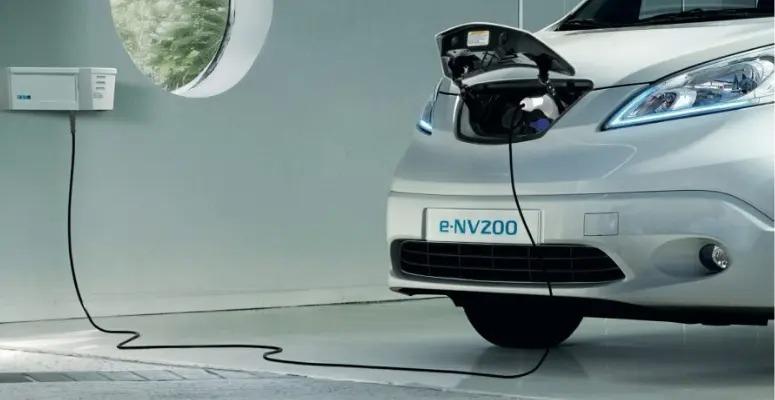
Comprehensive and accessible charging infrastructure is crucial for widespread EV adoption. Cities are incorporating fast-charging hubs, residential chargers, and workplace stations, ensuring seamless integration into daily routines. These networks also encourage the use of renewable energy, further amplifying environmental benefits.
Smart Traffic Management
Connected EVs communicate with city infrastructure to optimize traffic flow, reduce congestion, and minimize idle times. Intelligent traffic lights, adaptive routing, and real-time data analytics collectively reduce energy consumption and emissions, enhancing the overall livability of urban spaces.
Shared and Micro-Mobility Solutions
Electric car-sharing programs, e-bikes, and scooters extend the reach of sustainable mobility. They decrease the need for private vehicle ownership, reduce urban congestion, and make efficient transportation accessible to more residents. These solutions complement public transit and align with modern city sustainability goals.
Health and Social Benefits
Cleaner cities foster healthier populations. EV adoption reduces exposure to pollutants that cause respiratory and cardiovascular diseases. Children, the elderly, and people with pre-existing conditions are particularly sensitive to air quality improvements.
Noise reduction also contributes to mental and emotional well-being. Quieter streets encourage walking, cycling, and community engagement, promoting active lifestyles and social cohesion. Public spaces become safer and more enjoyable, enhancing the overall quality of urban life.
Notable EV Models Shaping Cleaner Cities
Several electric vehicles exemplify the integration of sustainability, efficiency, and practicality in urban settings. These vehicles showcase how EV technology aligns with cleaner city initiatives.
Tesla Model Y
The Model Y combines long-range performance with advanced autopilot features, making it suitable for both personal commuting and shared mobility fleets. Its integration with Tesla’s energy ecosystem enhances efficiency and urban sustainability.
Nissan Leaf
The Nissan Leaf is a pioneer in affordable urban EVs, offering smart energy management, regenerative braking, and zero-emission operation. It is ideal for city commuting and municipal fleet use.
Hyundai Kona Electric
With compact dimensions and impressive range, the Kona Electric is well-suited for city streets. Its rapid charging capabilities and efficient energy use make it a practical choice for urban residents.
BMW i4
BMW’s i4 offers luxury and performance while maintaining environmental responsibility. It demonstrates that urban mobility can be both elegant and sustainable, appealing to diverse demographics.
Rivian R1T
Although a larger vehicle, the Rivian R1T incorporates innovative battery and energy solutions, supporting both urban logistics and off-grid capabilities. It illustrates the versatility of EV technology in reshaping urban transport networks.
Integrating EVs into Urban Energy Systems
The interaction between electric vehicles and city energy grids is a cornerstone of cleaner urban living. Vehicle-to-grid (V2G) and vehicle-to-home (V2H) technologies enable EVs to act as distributed energy resources, stabilizing the grid and storing renewable energy.
During peak demand, EV batteries can supply electricity back to the grid, reducing the need for fossil fuel-powered plants. In emergencies, EVs can provide backup energy for critical infrastructure, increasing urban resilience. These capabilities reinforce the strategic role of EVs in building healthier, cleaner cities.
Challenges to Adoption
Despite their benefits, several challenges remain in expanding EV adoption in urban areas.
Infrastructure Development
Charging networks must be ubiquitous and reliable. Cities with insufficient stations face slower adoption rates. Investment in fast-charging hubs, accessible public stations, and integrated renewable energy solutions is critical.
Cost and Accessibility
While EV prices are decreasing, initial costs can still be prohibitive. Incentives, subsidies, and innovative financing options are essential to ensure that all residents can participate in cleaner city initiatives.
Battery Production and Recycling
Battery manufacturing has environmental impacts, including resource extraction and waste generation. Sustainable sourcing, recycling programs, and second-life applications for batteries are crucial for minimizing negative effects and ensuring long-term urban sustainability.
Public Awareness and Education
Consumers must understand the benefits, limitations, and best practices for EV use. Public awareness campaigns, community workshops, and digital education tools help residents make informed decisions and fully embrace electric mobility.
Policy and Governance Support
Municipal and national policies are pivotal in driving cleaner cities through EV adoption. Incentives for vehicle purchases, infrastructure funding, and renewable energy integration accelerate sustainable urban development.
Cities are implementing low-emission zones, congestion pricing, and public EV fleets to encourage adoption. Collaboration between governments, private companies, and urban planners ensures a cohesive and efficient transition to electric mobility.
Future Outlook
As cities expand and populations grow, the role of electric vehicles will become increasingly significant. By reducing pollution, optimizing energy use, and integrating with smart infrastructure, EVs are at the heart of urban sustainability initiatives.
Innovations in autonomous driving, smart grids, and renewable energy integration will make EVs even more central to the future of urban environments. Shared mobility systems and intelligent transportation networks will further reduce congestion, lower emissions, and promote equitable access to sustainable transport.
About the Author