The transportation landscape is undergoing a profound transformation, and at the forefront of this revolution are electric vehicles. The age of gasoline-powered travel is giving way to an era defined by efficiency, sustainability, and advanced technology. At the heart of this transformation lies the concept of modern travel evolution, where electric vehicles are not only replacing traditional engines but also reshaping the way people experience journeys.
The Dawn of Electrified Travel
Electric vehicles have evolved far beyond their initial perception as niche, city-only options. Advances in battery technology, motor efficiency, and software intelligence have created vehicles capable of long-distance travel, rapid acceleration, and seamless integration with digital systems.
The modern EV is designed with the traveler in mind. With ranges that surpass many early concerns, drivers can venture across cities, states, and even countries without the previous anxiety associated with limited battery capacity. Charging infrastructure, once sparse, has grown into a robust network of fast chargers, strategically positioned along highways, urban centers, and tourist destinations, making road travel practical and reliable.
This new era of travel is about more than simply moving from point A to point B; it is about creating journeys that are cleaner, safer, and more immersive.
Battery Technology and Performance
At the core of the electric vehicle revolution is the battery. High-capacity lithium-ion and emerging solid-state technologies provide energy density and reliability previously unimaginable. These batteries allow vehicles to maintain high speeds over long distances, handle varied terrains, and operate in extreme climates without significant loss of performance.
Electric motors provide instantaneous torque, resulting in smooth and rapid acceleration. Unlike traditional engines, which require complex mechanical systems, EV motors are simpler, more reliable, and often quieter. This translates into a driving experience that feels both luxurious and technically advanced, enhancing the overall appeal of electric travel.
Sustainable Travel and Environmental Responsibility
One of the most significant aspects of electric vehicles is their environmental impact. EVs produce zero tailpipe emissions, reducing urban air pollution and contributing to lower greenhouse gas levels.
For travelers, this means the ability to explore scenic routes, national parks, and urban centers with minimal environmental footprint. Quiet electric motors allow passengers to connect with the natural world, enjoying the sounds of forests, coastlines, and mountains without the intrusion of engine noise. In this way, electric vehicles align modern convenience with ecological responsibility, embodying a new standard for sustainable travel.
Charging Infrastructure and Accessibility
The rapid expansion of charging networks has been pivotal in enabling long-distance travel. Public fast chargers now populate highways, rest areas, and city centers, reducing downtime and providing travelers with predictable and convenient options.
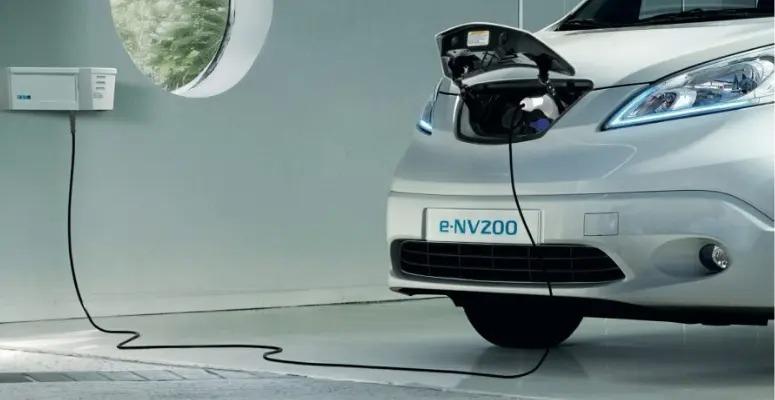
Home charging solutions offer additional convenience, allowing users to start their day with a fully charged vehicle. Smart charging applications optimize routes based on energy consumption, terrain, and weather conditions, ensuring that EV owners can plan trips with precision. This integration of technology removes much of the logistical uncertainty that once limited electric travel.
Economic Advantages of Electric Vehicles
Electric vehicles also present notable economic benefits for travelers. Energy costs are generally lower than traditional fuels, and the maintenance needs of EVs are significantly reduced due to fewer moving parts and the absence of oil, exhaust, and complex transmission systems.
Government incentives, including tax rebates, grants, and toll reductions, further increase the financial viability of EV ownership. These factors make long-distance travel more affordable, encouraging broader adoption and facilitating a transition toward more sustainable transportation practices.
Safety and Reliability on the Road
Modern electric vehicles are engineered with safety as a top priority. Advanced driver-assistance systems, collision detection, lane-keeping support, and automated braking technologies enhance driver control and protect passengers.
Battery management systems continuously monitor performance, temperature, and energy flow, ensuring that the power supply remains stable under various conditions. The low center of gravity, afforded by underfloor battery placement, increases vehicle stability and reduces the risk of rollovers, making road travel safer than ever before.
Integration with Smart Travel Solutions
Electric vehicles are increasingly connected, interacting with navigation systems, traffic data, and even smart cities. Predictive routing optimizes travel based on battery levels, traffic congestion, and terrain, minimizing delays and energy consumption.
Connectivity also enables integration with renewable energy sources. Vehicles can recharge during off-peak hours or leverage solar-powered charging stations, contributing to a more sustainable energy ecosystem. This synergy between electric mobility and smart infrastructure defines a new paradigm of travel where efficiency, technology, and environmental responsibility converge.
Expanding Access to Remote and Scenic Destinations
Advancements in battery range and charging infrastructure have unlocked access to destinations once considered challenging for electric vehicles. Travelers can now explore mountains, deserts, and coastal regions with confidence, knowing that charging options are increasingly available even in remote locations.
This expansion encourages eco-tourism, promotes exploration of lesser-known areas, and supports local economies. Charging stations often double as hubs for commerce, providing restaurants, accommodations, and tourist services. Electric travel, therefore, fosters not only environmental sustainability but also economic and cultural enrichment.
Enhancing the Passenger Experience
The transition to electric vehicles transforms not only the mechanics of travel but also the passenger experience. Quiet cabins, smooth acceleration, and refined suspension systems create a serene environment for road trips, commuting, or leisure drives.
Infotainment systems offer real-time updates on energy consumption, nearby attractions, and charging locations. Passengers can plan stops to coincide with sightseeing, dining, or rest, turning practical breaks into opportunities for exploration and enjoyment. The journey itself becomes a curated experience, reflecting both personal preferences and the broader values of sustainable travel.
Cultural Shifts in Travel Mindset
Electric vehicles are shaping a new mindset among travelers. The traditional view of road trips often revolved around fuel stops, mechanical reliability, and speed. In contrast, electric travel emphasizes efficiency, environmental stewardship, and connectivity.
Travelers increasingly prioritize routes that offer scenic beauty, eco-friendly amenities, and interactive experiences. The road trip evolves from a mere transit activity into a conscious engagement with the environment and culture, redefining expectations and creating richer, more meaningful journeys.
Autonomous and Connected Electric Vehicles
The future of electric travel is closely tied to autonomous technology. Self-driving EVs promise to reduce driver fatigue, enhance safety, and optimize energy consumption.
Connected systems allow vehicles to interact with traffic signals, other cars, and infrastructure to minimize congestion and energy loss. These technological innovations pave the way for a seamless and intelligent travel experience, where drivers and passengers can focus more on exploration, relaxation, and enjoyment.
Renewable Energy Integration
The potential of electric travel extends beyond the vehicle itself. Integration with renewable energy sources allows travelers to charge their vehicles sustainably, reducing the carbon footprint of long-distance journeys.
Vehicle-to-grid technology enables cars to feed electricity back into the power grid during peak demand, supporting energy stability and efficiency. Travelers become active participants in a renewable energy ecosystem, blending mobility with environmental responsibility in a tangible, practical way.
Tourism and Regional Development
Electric travel has implications for tourism and regional development. Charging stations along highways, scenic routes, and urban centers stimulate local economies by attracting travelers who spend on food, lodging, and attractions.
Communities adapt to accommodate the needs of electric travelers, creating eco-friendly accommodations, dining options, and cultural experiences. This integration enhances both the traveler experience and local economic resilience, illustrating the symbiotic relationship between modern mobility and sustainable development.
Challenges and Opportunities
While electric vehicles offer unparalleled benefits, challenges remain. Range limitations, charging availability in remote regions, and variability in infrastructure quality can pose obstacles. However, continued technological innovation, expanded infrastructure, and collaborative planning between governments and industry are rapidly addressing these issues.
Battery improvements, ultra-fast charging solutions, and renewable energy-powered stations are making long-distance travel increasingly practical. Mobile apps and route planning tools further simplify logistics, allowing travelers to navigate the evolving landscape of electric mobility with confidence.
Long-Term Sustainability and Impact
Electric vehicles epitomize long-term sustainability in travel. Their zero-emission operation, integration with renewable energy, and reduced resource consumption create a model for responsible transportation.
Advances in battery recycling, alternative materials, and vehicle design ensure that the environmental impact of electric travel extends beyond the road. These innovations represent a holistic approach to sustainable mobility, where energy, technology, and human experience converge to define a new standard in travel.
The Future of Electric Travel
The evolution of electric vehicles is far from complete. Ongoing research in battery chemistry, energy management, autonomous systems, and connectivity promises to make travel even more efficient, enjoyable, and environmentally responsible.
As charging networks expand, renewable integration becomes standard, and technology continues to evolve, the role of electric vehicles in defining modern travel will solidify. This new era emphasizes convenience, sustainability, and engagement, transforming journeys into experiences that reflect contemporary values and technological capabilities.
About the Author