The automotive industry is undergoing a profound transformation, and today electric vehicles occupy a central role in this evolution. What was once considered a futuristic concept is now a tangible reality, reshaping transportation, urban planning, and energy consumption. From city streets to rural highways, electric vehicles are altering perceptions of mobility, sustainability, and convenience. Understanding the full spectrum of their capabilities, challenges, and potential is essential for anyone interested in the future of travel.
A Historical Perspective
Electric vehicles are not a modern invention. In fact, early electric cars emerged in the late 19th and early 20th centuries, coexisting with steam and gasoline-powered automobiles. Despite their early promise, limitations in battery technology and infrastructure led to their decline, leaving internal combustion engines to dominate the century.
Fast forward to the present, advances in battery efficiency, power management, and charging networks have resurrected electric vehicles as viable, desirable, and increasingly affordable alternatives to traditional cars. The narrative has shifted from novelty to necessity, driven by environmental imperatives and technological innovation.
Technological Advancements
The transformation of electric vehicles is rooted in rapid technological evolution. Lithium-ion batteries, once expensive and limited in capacity, now offer extended ranges that rival conventional cars. Advances in battery chemistry, thermal management, and energy density have resulted in vehicles capable of traveling hundreds of miles on a single charge.
Charging infrastructure has expanded correspondingly. High-speed chargers, strategically placed along highways, in urban centers, and even in remote areas, mitigate range anxiety. Some vehicles offer regenerative braking, solar roof panels, and smart energy management systems that maximize efficiency during long journeys.
Environmental Implications
One of the most compelling arguments for electric vehicles is their potential to reduce environmental impact. Unlike gasoline engines, electric motors produce no tailpipe emissions, reducing air pollution in urban areas and lowering greenhouse gas contributions.
However, the story is nuanced. Electricity production methods vary globally, and the environmental footprint of electric vehicles depends on the energy source. Solar, wind, and hydroelectric power enhance the green credentials of electric vehicles, while reliance on coal-based electricity reduces the net benefit. Nevertheless, even with imperfect energy sources, electric vehicles often outperform internal combustion engines in lifecycle emissions.
Economic Considerations
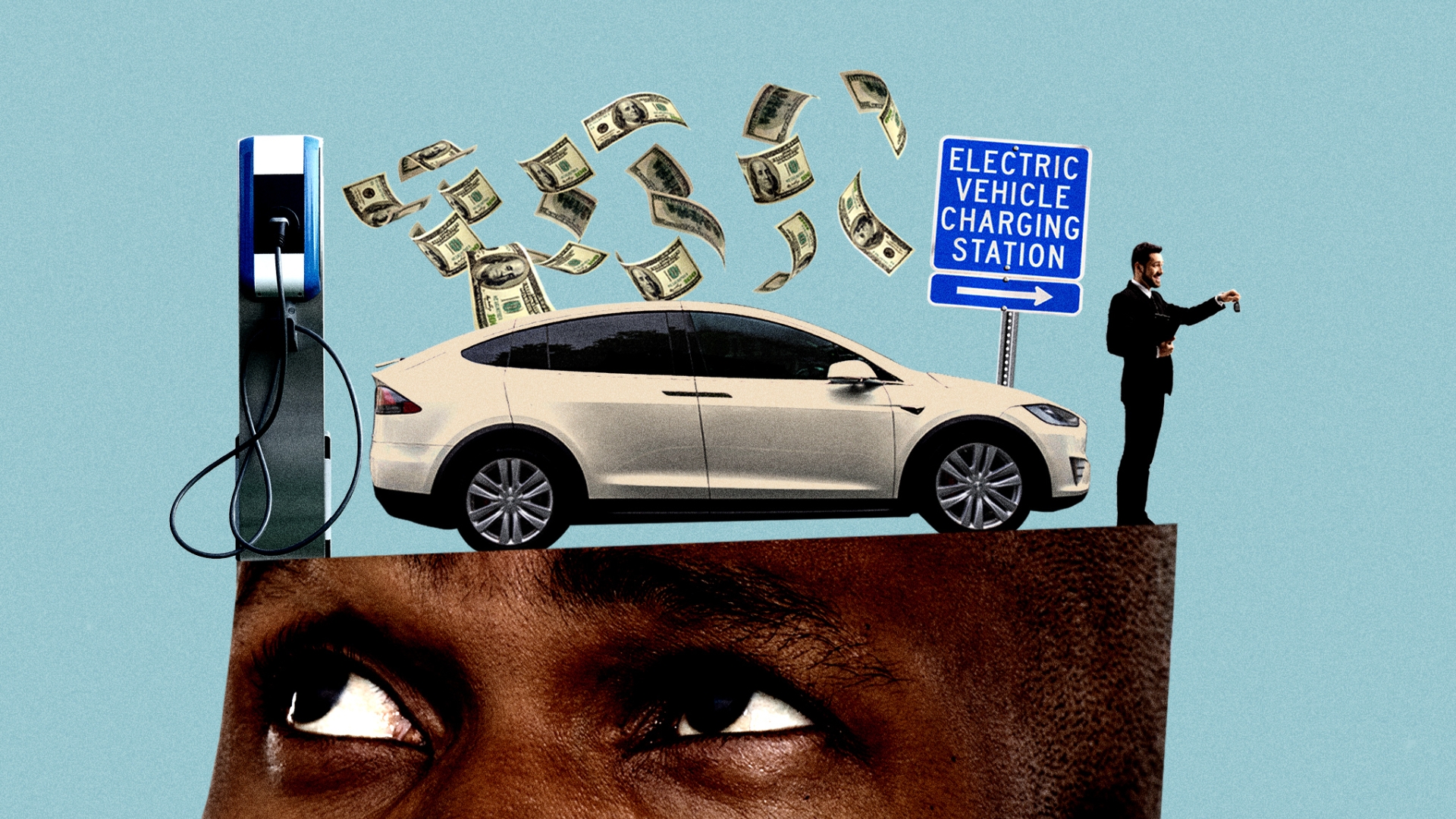
The financial landscape of electric vehicles has evolved significantly. Initial purchase prices were once prohibitive, discouraging mass adoption. Today, economies of scale, government incentives, and technological maturation have narrowed the price gap.
Long-term savings are another compelling factor. Reduced fuel costs, lower maintenance requirements, and fewer moving parts translate into economic benefits over the life of the vehicle. For businesses, fleets of electric vehicles can also reduce operational costs and align with sustainability goals.
Urban Mobility Transformation
Electric vehicles are redefining city travel. Their quiet operation reduces noise pollution, creating more pleasant urban environments. Many cities are introducing low-emission zones, encouraging electric vehicle adoption while discouraging high-pollution vehicles.
Integration with public transport and ride-sharing systems further enhances urban mobility. Electric taxis, buses, and car-sharing fleets provide commuters with cleaner, quieter, and more efficient options, improving the overall travel experience and reducing traffic-related stress.
Charging Networks and Infrastructure
Infrastructure remains a critical factor in the adoption of electric vehicles. While high-speed charging stations are increasingly common in developed regions, rural and less developed areas still face gaps. To address this, governments and private companies are investing in scalable, decentralized charging solutions.
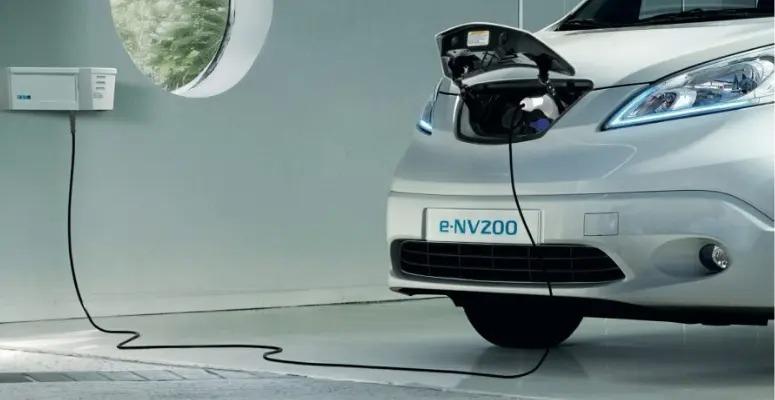
Home charging also contributes to convenience. Many users install Level 2 chargers in garages, allowing overnight charging. Smart apps enable monitoring, scheduling, and optimization, turning energy management into a seamless part of daily life.
The Role of Innovation
Innovation drives both performance and perception. Automakers are experimenting with solid-state batteries, wireless charging, and autonomous driving features. These technologies not only improve efficiency and convenience but also influence consumer expectations.
Software plays a crucial role in modern electric vehicles. Real-time data analysis, predictive maintenance, and adaptive energy management enhance performance, safety, and longevity. These advancements shift the conversation from simply “electric versus gasoline” to a broader evaluation of mobility intelligence.
Misconceptions and Realities
Despite growing adoption, misconceptions about electric vehicles persist. Some believe that electric cars are slow, impractical, or unreliable. In reality, many models offer high acceleration, long ranges, and robust performance under diverse conditions.
Another myth is that they are environmentally neutral. While electric vehicles reduce tailpipe emissions, battery production and electricity sourcing carry environmental costs. Understanding these complexities is essential to appreciating the true impact and guiding responsible consumer choices.
Global Adoption Trends
Adoption rates vary by region. Europe and Asia have made significant strides, driven by government incentives, infrastructure development, and public awareness. North America is catching up, with electric vehicles increasingly visible in urban centers and along highways.
Cultural attitudes also influence adoption. In regions where environmental consciousness is high, electric vehicles enjoy prestige and social cachet. In others, economic considerations and infrastructure availability dominate decision-making. The interplay of these factors shapes the global landscape of electric mobility.
Safety Considerations
Electric vehicles are often perceived as safe, with several studies confirming lower rollover risk due to battery placement and structural design. Advanced driver assistance systems, crash avoidance technologies, and reinforced battery enclosures contribute to occupant safety.
However, specialized training for first responders is necessary. High-voltage components and unique battery chemistries present different hazards than conventional vehicles. Safety protocols are evolving to meet these new challenges, ensuring that emergency preparedness keeps pace with innovation.
Psychological and Lifestyle Impacts
Driving an electric vehicle can influence lifestyle and behavior. Owners often become more conscious of energy consumption, travel planning, and sustainability. Charging stops may encourage detours to scenic or local destinations, integrating travel with exploration.
Psychologically, the quiet, smooth ride reduces stress and creates a more enjoyable commuting experience. Many users report enhanced satisfaction and a sense of contributing to broader environmental goals.
Future Prospects
The trajectory of electric vehicles points toward deeper integration with renewable energy, autonomous systems, and smart city infrastructure. As battery technology advances, range limitations will diminish further. Charging times are expected to decrease, and vehicle-to-grid capabilities may allow cars to act as mobile energy storage units.
The potential for electric vehicles to reshape transportation ecosystems extends beyond personal cars. Public transit, logistics, and even aviation may incorporate electrification, creating a more interconnected and sustainable mobility network.
The Role of Policy
Government policy is a powerful driver of adoption. Tax incentives, rebates, emission regulations, and infrastructure investments accelerate uptake. Cities that prioritize electrification often experience positive feedback loops: cleaner air encourages more adoption, which further improves environmental conditions.
International cooperation is also critical. Standardization of charging connectors, battery recycling regulations, and cross-border infrastructure planning ensure that electric mobility can function seamlessly on a global scale.
Equity and Accessibility
For electric vehicles to achieve widespread impact, they must be accessible across socioeconomic groups. Affordable models, shared mobility options, and community charging initiatives are essential to prevent electrification from becoming an exclusive privilege.
Efforts to increase accessibility include public subsidies, micro-mobility integration, and innovative leasing programs. By making green mobility inclusive, society maximizes environmental and social benefits simultaneously.
Business and Corporate Adoption
Corporations are increasingly integrating electric vehicles into operations. Delivery fleets, service vehicles, and corporate transport systems are adopting electric alternatives to cut costs and emissions.
Beyond economics, corporate adoption serves as a public statement. Companies that embrace electrification signal commitment to sustainability, innovation, and social responsibility. This, in turn, influences employee choices and consumer perceptions.
Integration with Renewable Energy
Electric vehicles and renewable energy form a symbiotic relationship. Solar panels, wind farms, and smart grids complement vehicle electrification, creating a closed loop of sustainable energy. Vehicle-to-grid technology allows cars to store and redistribute electricity, balancing demand and supply dynamically.
This integration magnifies the environmental impact of electric vehicles, transforming them from mere transport tools into active participants in energy ecosystems.
The Road Ahead
As adoption grows, the automotive landscape will continue to evolve. Charging infrastructure will densify, battery technology will improve, and public perception will shift further in favor of electric mobility. Electric vehicles are not a temporary trend but a structural change in how society moves, works, and interacts with the environment.
The story of today electric vehicles is one of convergence: technology, policy, economics, and culture intersect to redefine transportation. By understanding their capabilities, limitations, and future potential, individuals and societies can make informed choices that align with sustainability, efficiency, and quality of life.
Challenges Remaining
Despite remarkable progress, challenges persist. Raw material sourcing for batteries, recycling, and ethical supply chains remain critical issues. Charging deserts, especially in rural and developing regions, limit accessibility. Consumer education is ongoing, as misconceptions continue to influence adoption rates.
Addressing these challenges requires coordinated efforts across industry, government, and civil society. With innovation, investment, and public engagement, solutions are within reach, paving the way for a more electrified, sustainable, and equitable future.
Cultural Shifts in Driving
Electric vehicles are reshaping cultural norms around driving. The act of charging, planning trips around energy consumption, and consciously choosing sustainable options becomes part of daily routines. Social perception increasingly favors environmentally responsible choices, transforming mobility from a utilitarian activity into a lifestyle statement.
Communities, online forums, and social media amplify these cultural shifts. Enthusiasts share experiences, recommend models, and highlight best practices. Collective narratives influence new adopters, accelerating the transition from niche innovation to mainstream acceptance.
About the Author