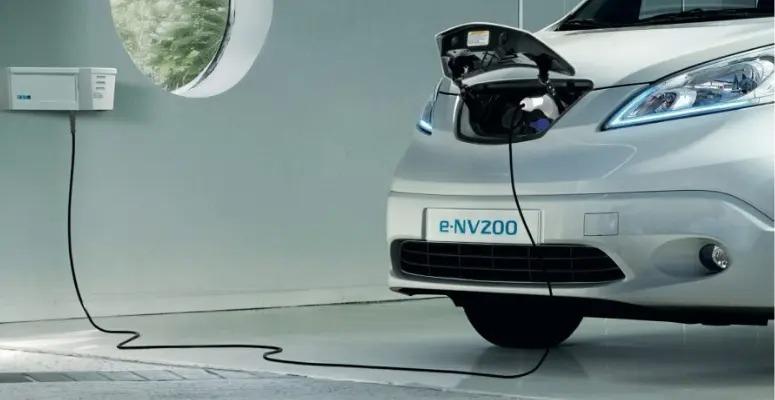
The surge of hype electric vehicles is not merely a marketing phenomenon; it reflects a genuine revolution in transportation and energy consumption. Modern electric vehicles (EVs) embody a fusion of cutting-edge technology, environmental consciousness, and innovative design. They challenge traditional perceptions of automobiles while promising efficiency, sustainability, and performance that rival conventional internal combustion engines. The excitement surrounding these vehicles is rooted in their ability to simultaneously reduce carbon emissions, lower operational costs, and enhance the driving experience, making them a compelling choice for consumers and industry stakeholders alike.
Technological Advancements Driving EV Popularity
Electric vehicles today benefit from a remarkable array of technological innovations that set them apart from their predecessors. Advanced lithium-ion and emerging solid-state batteries deliver higher energy density, faster charging, and longer lifespans. These advancements extend the driving range of EVs while reducing “range anxiety,” a concern that has historically deterred potential buyers.
Coupled with regenerative braking, sophisticated energy management systems, and high-efficiency electric motors, EVs offer unparalleled performance. Acceleration is often instantaneous, providing a driving experience that is both smooth and exhilarating. Moreover, embedded sensors, software-driven diagnostics, and over-the-air updates ensure vehicles continuously improve over their operational life.
Environmental Impact and Sustainability
A major factor contributing to the hype surrounding electric vehicles is their environmental benefit. Unlike traditional vehicles, EVs produce zero tailpipe emissions, directly reducing air pollutants such as nitrogen oxides and particulate matter. This not only improves urban air quality but also mitigates the broader effects of climate change.
EVs are most impactful when paired with renewable energy sources for charging. Solar panels, wind farms, and other clean energy infrastructures can power vehicles with minimal carbon footprints, creating a holistic approach to sustainable mobility. Additionally, advances in battery recycling and second-life applications ensure that components remain useful long after initial deployment, supporting circular economy principles.
Economic Benefits for Consumers
Beyond ecological advantages, electric vehicles provide significant financial incentives for owners. The operational cost of EVs is generally lower than conventional vehicles, thanks to reduced maintenance needs, fewer moving parts, and cheaper electricity relative to gasoline or diesel.
Governments around the world have introduced policies to encourage EV adoption, including tax credits, rebates, and preferential access to urban areas. These incentives make EVs more accessible while promoting environmentally responsible behavior. Over time, the cumulative savings in fuel and maintenance costs often outweigh the initial purchase premium, making EVs a financially sound investment.
Performance and Driving Experience
Electric vehicles are redefining what it means to drive. Unlike internal combustion engines, which rely on complex mechanical systems, electric motors provide near-instant torque, resulting in smooth, responsive acceleration. High-performance EVs can achieve speeds and agility that rival traditional sports cars, while luxury EVs combine comfort, technology, and elegance for discerning drivers.
Noise reduction also contributes to an enhanced driving experience. The quiet operation of EVs allows for more serene journeys and reduces urban noise pollution, contributing to better overall quality of life in cities. Adaptive driving modes, intelligent energy distribution, and regenerative braking provide drivers with more control and efficiency than ever before.
Integration with Smart Infrastructure
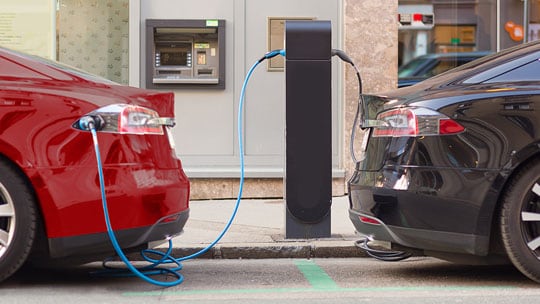
The increasing integration of EVs with smart infrastructure amplifies their benefits. Charging networks are becoming more ubiquitous and technologically advanced, featuring fast-charging stations, wireless options, and intelligent routing systems. This ensures that range limitations are minimized, allowing drivers to confidently undertake longer journeys.
Smart grids further enable vehicles to interact with energy systems efficiently. Vehicle-to-grid (V2G) technology allows EVs to store excess energy and supply it back to the grid when demand peaks, supporting renewable energy adoption and stabilizing electricity distribution. This interplay between vehicles and infrastructure positions EVs as integral components of a future energy ecosystem.
Societal Implications of Widespread EV Adoption
Electric vehicles have transformative potential beyond individual ownership. Widespread EV adoption can reduce urban pollution, improve public health, and diminish reliance on fossil fuels. Cities with high EV penetration experience reduced traffic noise and improved air quality, leading to more livable urban spaces.
Furthermore, commercial and public transport fleets are increasingly electrifying. Electric buses, delivery vans, and shared mobility services reduce emissions at scale while providing cost-effective operational solutions. This transformation supports urban sustainability goals and creates a blueprint for integrated, clean transportation systems.
Innovation and Industry Evolution
The automotive industry itself is evolving in response to the electric vehicle revolution. Traditional automakers are investing heavily in EV research and production, while new entrants focus solely on electric mobility. This competition accelerates innovation, resulting in faster charging times, extended range, improved safety features, and enhanced in-vehicle technology.
Battery innovations, autonomous driving integration, and artificial intelligence-powered energy management systems further differentiate EVs from conventional vehicles. The continuous evolution ensures that electric vehicles remain at the forefront of technological advancement, sustaining the excitement and anticipation surrounding them.
Global Trends and Market Growth
Global demand for electric vehicles continues to rise. Policy mandates in Europe, Asia, and North America aim to phase out internal combustion engines over the coming decades. Manufacturers are responding with an expanding lineup of EV models across multiple price points, from budget-friendly city cars to luxury sedans and high-performance sports cars.
Investment in charging infrastructure, renewable energy capacity, and supply chain robustness supports this growth. Urban planners are incorporating EV-friendly policies, including preferential lanes, reduced parking fees, and emission-based restrictions, further catalyzing market adoption. As a result, the presence of EVs on roads worldwide is becoming increasingly mainstream.
Challenges and Opportunities
Despite their promise, electric vehicles face challenges that must be addressed for widespread adoption. Battery production relies on critical minerals, which require sustainable sourcing to prevent environmental and social harm. Charging infrastructure must expand to meet growing demand, and grid management needs to adapt to variable loads.
However, these challenges create opportunities for innovation. Alternative battery chemistries, modular energy storage solutions, and improved recycling processes are under development. Collaborative efforts between automakers, energy companies, and governments ensure that the EV ecosystem grows responsibly and sustainably.
Consumer Perception and Education
Public perception has shifted significantly in recent years. Early skepticism regarding range limitations, reliability, and cost has given way to growing acceptance and enthusiasm. Test drives, educational campaigns, and demonstrable performance benefits have helped consumers understand the practical advantages of electric vehicles.
Moreover, shared ownership models, subscriptions, and ride-sharing services make EVs accessible to a broader audience. These approaches allow consumers to experience the technology firsthand, fostering trust, enthusiasm, and long-term adoption.
Future Outlook
Looking forward, electric vehicles are poised to redefine transportation and energy consumption. Integration with autonomous systems, artificial intelligence, and smart energy networks will enhance efficiency, convenience, and sustainability. Advances in battery technology and renewable energy infrastructure will continue to reduce environmental impact while improving performance and accessibility.
The momentum of EV adoption is likely to accelerate as consumers, industries, and governments align around shared goals of sustainability, efficiency, and innovation. The combination of practical benefits, technological sophistication, and environmental stewardship ensures that the hype surrounding electric vehicles is not fleeting but grounded in tangible, long-term value.
About the Author