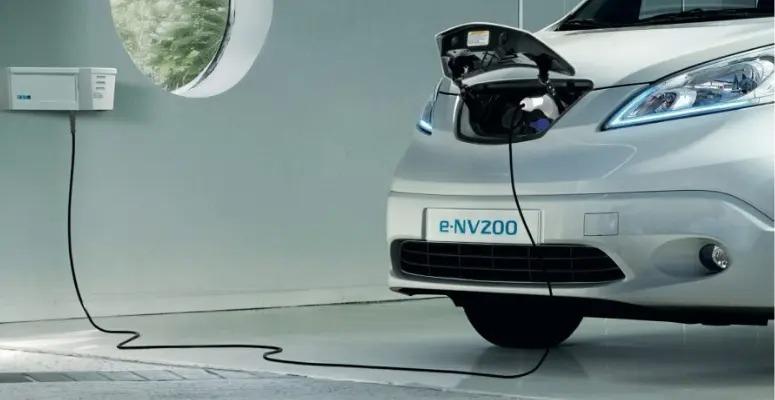
In the evolving automotive landscape, stylish electric vehicles are redefining what it means to drive with both elegance and efficiency. Gone are the days when electric cars were purely functional and austere. Today, manufacturers are merging cutting-edge technology with sophisticated design, creating vehicles that turn heads while reducing environmental impact. From sleek sedans to high-performance sports cars and versatile SUVs, style no longer takes a back seat to sustainability—it drives the experience. Understanding the most stylish electric vehicles available provides insight into the future of automotive aesthetics and innovation.

The Intersection of Design and Technology
Modern electric vehicles (EVs) exemplify the harmonious integration of design and technology. Aerodynamics play a crucial role, not only enhancing performance and range but also defining the car’s silhouette. Designers leverage smooth curves, minimalistic lines, and futuristic lighting to communicate innovation while maintaining an elegant presence on the road.
Innovative materials contribute to the style and functionality of EVs. Lightweight aluminum and carbon fiber components reduce vehicle weight and increase efficiency, all while enabling daring, avant-garde designs. Interiors complement this exterior sophistication, incorporating premium materials, ambient lighting, and intuitive digital interfaces that create an immersive driving environment.
Luxury Sedans: Sophistication Meets Sustainability
Luxury electric sedans are at the forefront of stylish EVs, combining high performance with refined aesthetics. Vehicles such as the Tesla Model S, Lucid Air, and Porsche Taycan exemplify this segment. Sleek profiles, elongated hoods, and expansive glass roofs project an air of sophistication, while interior cabins are meticulously curated with high-quality leather, sustainable fabrics, and cutting-edge infotainment systems.
Performance in these vehicles rivals or surpasses traditional gasoline-powered sedans. Instant torque, adaptive suspension systems, and regenerative braking deliver an exhilarating yet smooth driving experience. The integration of autonomous features and connected vehicle technologies further enhances convenience, safety, and modern appeal.
Electric SUVs: Versatility Without Compromising Style
Electric SUVs blend utility with aesthetics, appealing to drivers seeking space and functionality without sacrificing elegance. Models like the Audi e-tron, Jaguar I-PACE, and Mercedes-Benz EQC demonstrate how sculpted bodywork, bold lighting signatures, and panoramic roofs can redefine the traditional SUV silhouette.
Inside, designers emphasize spaciousness, ergonomic layouts, and a seamless integration of digital controls. Multiple driving modes cater to urban commuting and off-road excursions, while energy-efficient climate systems and sustainable interior materials underscore the commitment to environmental consciousness. Electric SUVs embody a marriage of practicality, innovation, and visual appeal.
High-Performance Electric Sports Cars
The realm of high-performance EVs pushes stylistic boundaries even further. Vehicles such as the Rimac Nevera and Lotus Evija fuse extreme aerodynamics, aggressive stances, and cutting-edge propulsion systems to create dynamic machines. These electric sports cars achieve breathtaking acceleration and top speeds while embracing futuristic styling cues that distinguish them from conventional supercars.
Exotic materials, meticulous craftsmanship, and customizable interior options provide a personalized experience for enthusiasts. Innovative LED lighting, carbon fiber body panels, and sophisticated cooling systems integrate seamlessly into the design, highlighting the synergy between form and function.
Compact and Urban Electric Vehicles
Stylish electric vehicles are not limited to luxury or high-performance categories; compact and urban EVs also demonstrate remarkable design innovation. Vehicles like the MINI Electric, Honda e, and BMW i3 offer playful yet elegant aesthetics suited for city living. Their small footprints, rounded contours, and vibrant color palettes make them ideal for navigating congested streets without sacrificing visual appeal.
Inside, compact EVs feature intelligently designed cabins, maximizing space and comfort. Touchscreen controls, customizable digital displays, and sustainable interior finishes elevate the urban driving experience. These vehicles prove that style and sustainability can coexist in a convenient, city-friendly package.
Interior Design: A Focus on Minimalism and Function
Modern electric vehicles often embrace minimalism in interior design. The absence of complex combustion engine components allows designers to rethink cabin layouts, creating open, uncluttered spaces. Panoramic glass roofs, floating center consoles, and hidden storage compartments enhance both functionality and aesthetic appeal.
Ambient lighting and customizable color schemes personalize the cabin environment, while advanced infotainment systems integrate seamlessly with smartphones and other digital devices. This focus on user-centric design ensures that every journey is both comfortable and visually pleasing.
Lighting Innovations in EV Design
Lighting is a critical element in defining the style of electric vehicles. Full-width LED light bars, adaptive headlamps, and signature taillight designs create distinct road presence, particularly at night. Designers use light not only for visibility but also as a key stylistic element, reinforcing brand identity and signaling technological sophistication.
Dynamic lighting sequences and color customization options allow drivers to express individuality, turning the vehicle into a moving statement of style. These innovations underscore the importance of aesthetics in modern electric mobility.
Sustainability as a Design Driver
Stylish electric vehicles often incorporate sustainable materials, reflecting a holistic approach to design. Recycled fabrics, vegan leather, responsibly sourced wood, and eco-friendly composites reduce environmental impact while enhancing interior texture and tactile appeal.
This commitment to sustainability resonates with consumers who prioritize both aesthetics and ethical responsibility. The careful selection of materials demonstrates that luxury, style, and environmental consciousness are not mutually exclusive.
Customization and Personalization
Personalization is a growing trend in electric vehicle design. Many manufacturers offer extensive options for exterior colors, wheel designs, interior trims, and technological packages. This allows drivers to tailor their vehicles to their individual tastes, making each car a reflection of personal style and lifestyle.
Software customization is equally significant. Adaptive driving modes, personalized display themes, and user-specific interface preferences contribute to an intimate connection between driver and vehicle. This blend of aesthetic and functional customization strengthens the emotional appeal of stylish EVs.
Connectivity and Smart Features
Stylish electric vehicles are inherently smart. Advanced connectivity features integrate navigation, entertainment, and vehicle diagnostics, creating a seamless digital ecosystem. Voice-activated controls, augmented reality displays, and over-the-air software updates ensure that vehicles evolve alongside technological advancements.
Smart features also enhance safety and convenience. Automated parking, lane-keeping assistance, and adaptive cruise control complement the vehicle’s design by minimizing clutter and maintaining sleek, minimalist interiors. This integration of intelligence and style exemplifies the next generation of automotive innovation.
Global Design Trends
Across the globe, manufacturers are exploring diverse design languages that reflect local culture, climate considerations, and consumer preferences. European EVs often emphasize elegance and restrained minimalism, while Asian models incorporate playful elements and advanced technology integration. North American designs balance bold proportions with muscular aesthetics, reflecting the regional affinity for commanding road presence.
Despite regional differences, a unifying trend emerges: electric vehicles prioritize aerodynamic efficiency, interior openness, and high-quality material usage, demonstrating that global design philosophy is converging around both style and sustainability.
The Influence of Concept Cars
Concept vehicles continue to influence the aesthetics of production electric vehicles. Automakers use concept cars to experiment with unconventional materials, futuristic lighting, and novel shapes. These experimental designs eventually inform mainstream models, pushing the boundaries of what is considered stylish and technologically advanced.
Concept EVs serve as design laboratories, inspiring both consumers and competitors, while reinforcing the perception of electric vehicles as symbols of progress and innovation. The stylistic cues from these prototypes often find their way into everyday vehicles, elevating the overall market standard for style.
The Future of Stylish Electric Vehicles
Looking ahead, the style of electric vehicles will continue to evolve in response to technological advancements and shifting consumer expectations. Autonomous driving may free designers to rethink interior layouts entirely, creating lounge-like spaces optimized for comfort and social interaction. Materials innovation, sustainable manufacturing, and modular designs will further influence both exterior and interior aesthetics.
As battery efficiency improves and range anxiety diminishes, designers will have even greater freedom to prioritize form over function. Lightweight materials, sculpted exteriors, and integrated digital experiences will define the next generation of stylish electric vehicles, making them aspirational, environmentally responsible, and technologically sophisticated.
Market Availability and Accessibility
The variety of stylish electric vehicles available today ensures accessibility across different market segments. From entry-level urban EVs to luxury sedans and high-performance sports cars, consumers can select vehicles that match their aesthetic preferences, driving needs, and budget considerations.
Government incentives, growing charging infrastructure, and increased brand competition are making stylish EVs more attainable. This democratization of design ensures that style is no longer exclusive to a small segment of the market but accessible to a wide range of consumers.
Cultural Impact and Perception
Stylish electric vehicles have a significant cultural impact. They symbolize innovation, environmental consciousness, and modern luxury. Driving a well-designed EV conveys a commitment to sustainability without compromising personal expression.
Public perception is shifting as electric vehicles gain visibility, and their stylish designs contribute to a sense of prestige and desirability. Media coverage, social media influence, and celebrity endorsements further elevate their status, reinforcing the notion that electric vehicles can be both responsible and fashionable.
Technological Synergy with Design
Finally, technology and design are inseparable in modern EVs. Advanced aerodynamics, integrated lighting systems, and smart interiors showcase the synergy between form and function. Vehicles are designed to be efficient, safe, connected, and visually striking, demonstrating that high performance, environmental stewardship, and style can coexist harmoniously.
Manufacturers continue to explore new materials, AI-driven customization, and adaptive lighting to push the boundaries of design. This continuous evolution ensures that stylish electric vehicles remain at the forefront of both automotive innovation and aesthetic appeal.
About the Author