Electric vehicles have captured global attention in a way few technological innovations ever have. From sleek designs to environmental benefits, these cars have redefined what drivers expect from modern transportation. The allure of efficiency, innovation, and sustainability has turned EVs into a symbol of progress and forward thinking. Many of the popular electric models on the road today have proven that clean energy can coexist beautifully with style, comfort, and performance, marking a pivotal shift in how society moves toward the future.
The Perfect Blend of Technology and Sustainability
Electric vehicles are not merely machines; they are a reflection of modern ingenuity and ecological consciousness. Their very essence lies in the harmonious balance between technology and sustainability. With every charge, drivers participate in reducing greenhouse gas emissions and minimizing dependency on fossil fuels. This transformation from combustion to clean energy represents one of the most profound evolutions in the history of mobility.
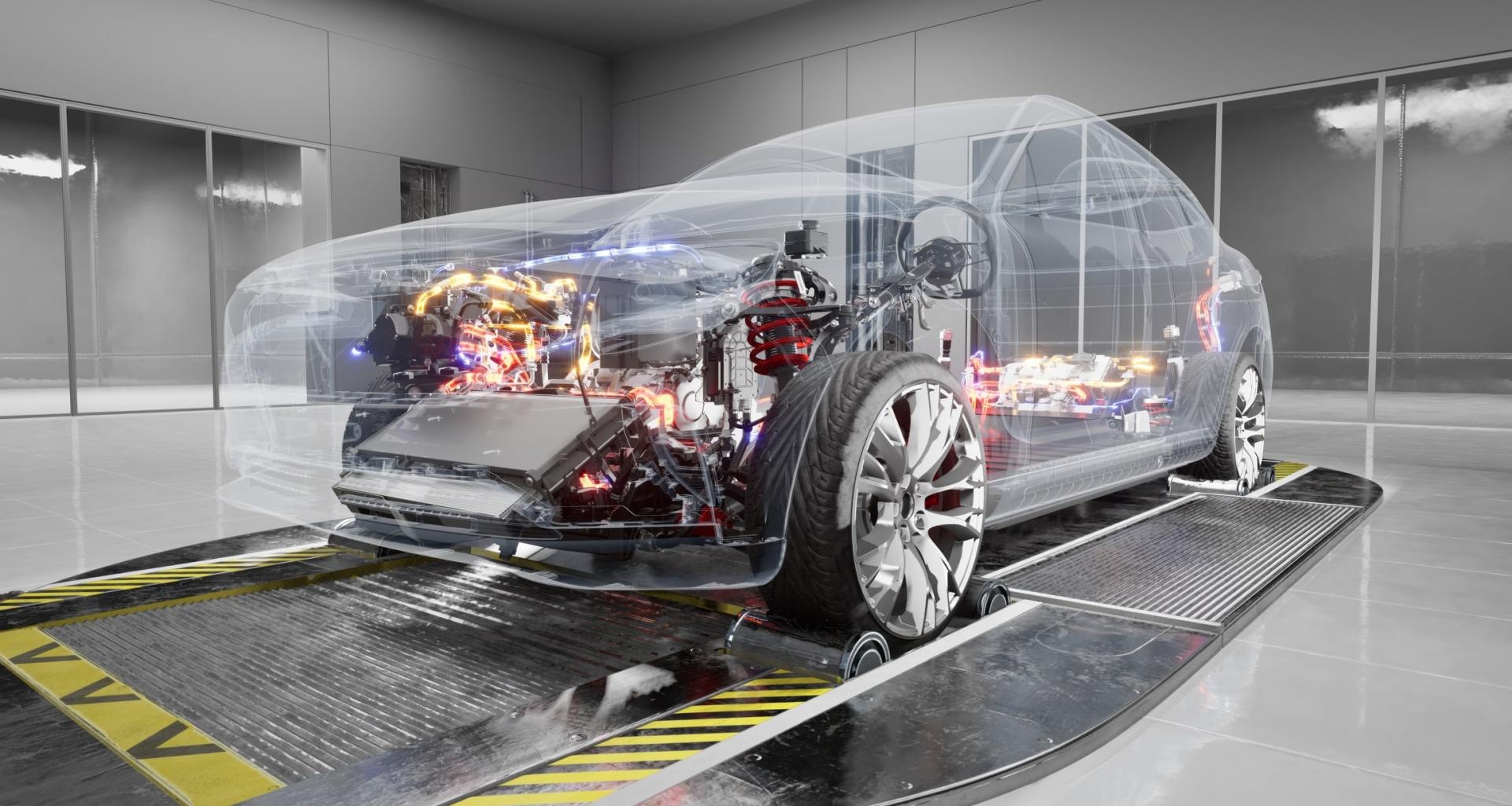
The appeal extends beyond environmental considerations. EVs embody technological sophistication, offering advanced features such as regenerative braking, smart connectivity, and over-the-air updates. These innovations elevate the driving experience while ensuring long-term efficiency. As technology continues to evolve, the gap between performance and sustainability continues to narrow, proving that eco-friendly can also mean exhilarating.
The Rise of the Conscious Consumer
Today’s consumers are more informed and mindful than ever before. They prioritize purchases that align with their values, particularly in areas like sustainability and innovation. Electric vehicles perfectly cater to this mindset. They allow individuals to make environmentally responsible choices without sacrificing convenience or luxury.
Social awareness has also played a key role. As global discussions around climate change intensify, owning an EV is seen as a personal contribution to a larger cause. This combination of practicality and moral fulfillment has made electric vehicles an aspirational choice for millions of people worldwide.
Financial Advantages that Attract Buyers
Beyond their environmental appeal, electric vehicles offer substantial financial benefits. The cost of operating an EV is notably lower than that of a gasoline-powered car. Electricity is generally cheaper than fuel, and home charging offers additional savings, especially when conducted during off-peak hours.
Maintenance costs are also significantly reduced. Electric drivetrains have fewer moving parts than traditional engines, which means fewer repairs and lower long-term expenses. There’s no need for oil changes, transmission servicing, or exhaust system maintenance.
Governments further sweeten the deal with incentives, rebates, and tax credits that lower the initial purchase price. Some regions even offer perks like toll exemptions or access to priority lanes. These advantages collectively transform electric vehicle ownership into a smart financial decision rather than a luxury investment.
Innovation at Its Core
Electric vehicles are at the forefront of technological advancement. The integration of artificial intelligence, automation, and data analytics within EV systems creates an unprecedented driving experience. Many models feature adaptive cruise control, lane assistance, and predictive maintenance capabilities powered by machine learning.
Battery technology continues to progress rapidly. Advances in lithium-ion and solid-state batteries are pushing the boundaries of range and charging efficiency. What once took hours to recharge now takes minutes, thanks to the rise of ultra-fast charging stations. As innovation accelerates, future EVs are expected to deliver longer ranges and even more affordability.
The modern electric vehicle is more than a mode of transportation it’s a smart device on wheels. With features like remote diagnostics, mobile app connectivity, and voice-command integration, drivers enjoy unparalleled control and customization. This seamless fusion of technology and mobility redefines what it means to drive.
Environmental Benefits that Inspire Change
Perhaps the most celebrated aspect of electric vehicles is their positive environmental impact. Unlike internal combustion engines, EVs produce no tailpipe emissions, significantly reducing air pollution in urban environments. This cleaner form of transport helps mitigate the effects of climate change and contributes to healthier communities.
The impact extends beyond the vehicle itself. Many automakers are transitioning to renewable energy for their manufacturing processes, reducing the overall carbon footprint of production. Battery recycling and ethical sourcing of materials are also becoming industry priorities, ensuring sustainability from creation to disposal.
When paired with renewable energy sources such as wind or solar power, EVs become almost entirely emission-free. This connection between clean energy and transportation represents a critical milestone in humanity’s quest for a greener future.
Smooth, Silent, and Sophisticated Driving
The first experience many drivers note when operating an electric vehicle is the silence. Without the roar of an engine or the vibration of moving pistons, driving becomes an almost meditative experience. This tranquility enhances comfort and allows drivers to focus on the road with newfound calmness.
The performance, however, is anything but quiet in spirit. Electric motors deliver instant torque, providing rapid acceleration that rivals even high-performance sports cars. The seamless power delivery results in an exhilarating yet controlled drive. Combine that with superior handling from low center-of-gravity designs, and the result is a ride that feels both responsive and refined.
This blend of power and peace is one of the reasons drivers often describe their transition to electric as transformative. Once accustomed to the effortless glide of electric motion, returning to gasoline-powered driving feels archaic.
Expanding Infrastructure and Accessibility
One of the biggest factors contributing to the popularity of electric vehicles is the rapid expansion of charging infrastructure. What was once a major obstacle has evolved into one of the industry’s greatest strengths. Charging stations now span highways, cities, and residential areas, ensuring convenience for all types of drivers.
Fast-charging networks have revolutionized long-distance travel. With charging speeds improving constantly, even lengthy road trips are becoming seamless experiences. Many hotels, restaurants, and shopping centers have installed chargers, turning everyday activities into opportunities to recharge both vehicle and driver.
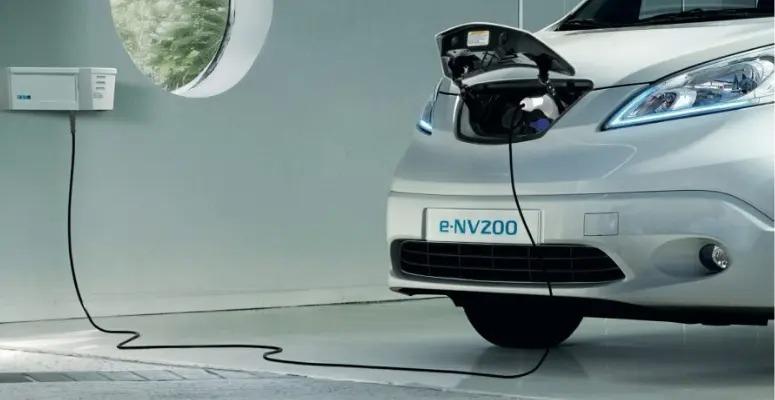
At home, smart charging systems enable users to schedule charging sessions, monitor energy use, and even integrate with solar panels. These innovations create an ecosystem of convenience, allowing electric mobility to fit effortlessly into daily life.
Design and Aesthetic Appeal
The visual appeal of electric vehicles plays a significant role in their popularity. Automakers have embraced bold, futuristic designs that symbolize innovation and progress. The absence of traditional engine constraints allows for more aerodynamic and creative body styles.
Interiors have also evolved to reflect modern sensibilities. Minimalist dashboards, expansive digital displays, and sustainable materials create environments that feel both elegant and advanced. The result is a cabin that appeals to both tech enthusiasts and design connoisseurs alike.
Many EVs are also highly customizable, allowing drivers to personalize everything from performance settings to ambient lighting. This sense of individuality enhances emotional connection and satisfaction, reinforcing why so many consumers are making the switch.
The Power of Word-of-Mouth and Social Influence
Electric vehicles benefit enormously from community advocacy. Owners frequently share their positive experiences online and within local networks, influencing others to consider making the switch. This organic marketing effect has propelled EV adoption faster than traditional advertising ever could.
High-profile endorsements have also played a part. Celebrities, tech leaders, and environmental advocates proudly promote their electric choices, further boosting appeal. Social media platforms amplify these messages, showcasing the lifestyle benefits of electric ownership in relatable and aspirational ways.
The growing visibility of charging stations, EV fleets, and electric taxis reinforces public familiarity. As electric vehicles become a common sight on the streets, hesitancy diminishes and curiosity grows, transforming initial skepticism into widespread enthusiasm.
Economic and Industrial Transformation
The electric revolution has catalyzed a massive transformation across industries. The automotive sector is experiencing its most significant disruption in over a century, with established brands reimagining their identities and newcomers emerging as key innovators.
Battery production has become a major global enterprise, driving demand for new materials and technologies. Energy companies are diversifying their portfolios, investing in renewables and grid modernization to meet rising electricity demands. These shifts are creating jobs, stimulating economies, and fostering international collaboration.
As governments push toward emission reduction targets, the electric vehicle industry is positioned as a cornerstone of future economic growth. The synergy between policy, industry, and innovation has set the stage for a new era of prosperity driven by clean mobility.
Affordability and Future Accessibility
Affordability has long been a concern for prospective EV buyers, but the landscape is rapidly changing. As battery production scales and technology becomes more efficient, prices are dropping. Many manufacturers are introducing entry-level electric cars that make the transition accessible to a broader audience.
Used EV markets are also expanding, providing affordable options for first-time buyers. Combined with lower operational costs, these developments are dismantling financial barriers and making electric mobility more inclusive.
As demand continues to rise, economies of scale will further drive down costs. Within the next decade, electric vehicles are expected to reach price parity with gasoline cars, making them the natural choice for most consumers.
Global Support and Collaboration
International cooperation has accelerated the transition to electric mobility. Nations are collaborating to share technologies, establish charging standards, and promote cross-border electric travel. Global initiatives aimed at decarbonization and sustainability have positioned EVs as a central component of future development.
Manufacturers are forming alliances to improve battery production, streamline logistics, and expand accessibility. This shared commitment to innovation ensures that progress benefits the entire planet, not just select regions. As this collaboration deepens, the electric ecosystem grows stronger, paving the way for widespread adoption.
Emotional and Psychological Connection
There’s a deeper, more personal dimension to electric vehicle popularity. Beyond practical and financial benefits, EVs evoke a sense of belonging to something greater. Drivers often describe their ownership experience as empowering, knowing they are contributing to a cleaner world.
This emotional resonance strengthens brand loyalty and inspires advocacy. Owning an EV becomes more than a lifestyle choice it becomes a statement of purpose, a declaration of optimism about the future. It taps into the universal desire for progress, comfort, and connection.
Continuous Evolution and the Road Ahead
Electric vehicles are evolving at an astonishing pace. The next generation promises even greater advancements: improved battery efficiency, faster charging, and enhanced integration with smart infrastructure. Autonomous driving capabilities are on the horizon, transforming vehicles into fully connected, intelligent companions.
Urban environments are also adapting to support this shift. Cities are reimagining transportation networks with electric buses, car-sharing programs, and sustainable delivery solutions. These developments indicate that the electric movement is not a passing trend but a foundational pillar of tomorrow’s mobility landscape.
As the industry matures, innovation will continue to push boundaries, creating vehicles that are safer, smarter, and more sustainable than ever. The electric future isn’t a distant dream it’s already unfolding before our eyes.
About the Author