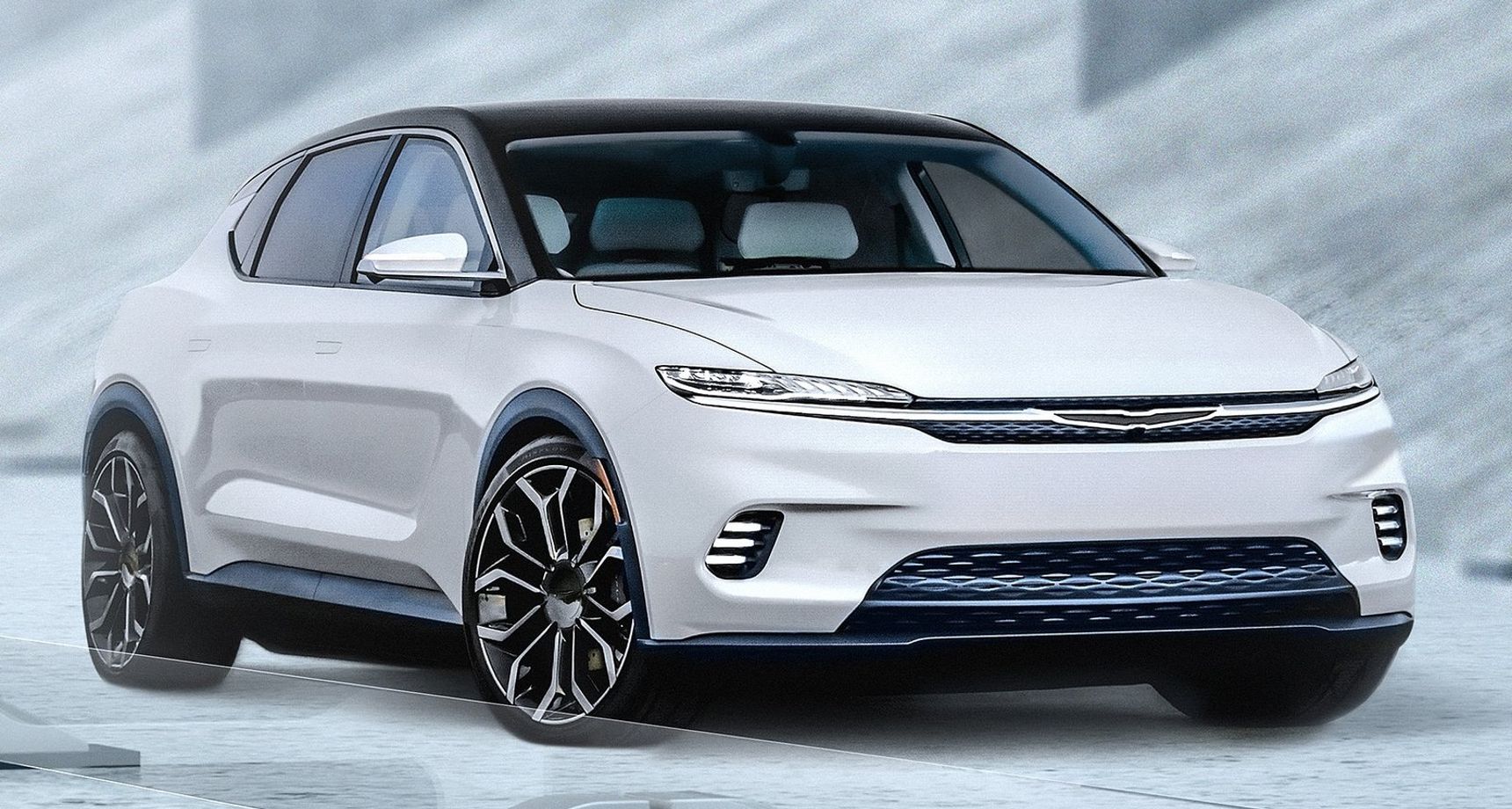
The automotive sector has long been a bellwether for industrial evolution, reflecting broader technological, economic, and societal trends. Today, few developments rival the sweeping impact of electric vehicles (EVs). Far from being a mere technological upgrade, EVs are catalysts for profound change across industries, supply chains, and business models. The surge in industry transformation insights illustrates how electric mobility is not just reshaping the automotive sector but influencing energy, manufacturing, logistics, and even urban planning.
The Electric Revolution in Automotive Manufacturing
Electric vehicles differ fundamentally from traditional internal combustion vehicles, both in design and operation. The absence of a conventional engine, the integration of large battery packs, and the reliance on electric motors simplify mechanical systems yet introduce new manufacturing complexities.
Automakers are rethinking production lines to accommodate these changes. Modular platforms, flexible assembly systems, and robotics capable of handling high-voltage components have become essential. Battery production, often considered the heart of an EV, demands precise chemical engineering and assembly processes, requiring collaboration between automotive firms and specialized battery manufacturers.
This evolution in manufacturing drives efficiency, reduces assembly errors, and encourages the adoption of lean and sustainable production practices. By reimagining the vehicle from the ground up, the industry achieves higher integration between mechanical, electrical, and software components.
Supply Chain Reconfiguration
Electric vehicles have prompted a dramatic reconfiguration of supply chains. Traditional suppliers of engines, transmissions, and exhaust systems are no longer central, replaced by providers of batteries, electric motors, semiconductors, and advanced electronics.
Lithium, cobalt, nickel, and other critical minerals are now essential commodities for EV production. This shift has global implications, connecting automakers to mining operations, chemical processing plants, and recycling facilities. Companies must navigate geopolitical considerations, ethical sourcing challenges, and sustainability requirements, all while maintaining efficiency and cost-effectiveness.
The result is a more complex yet strategically diversified supply chain, emphasizing resilience, traceability, and environmental responsibility. These transformations illustrate how EV adoption extends beyond consumer products into global industrial ecosystems.
Energy Sector Integration
Electric vehicles are intrinsically linked to energy production and distribution, creating a nexus between automotive and energy industries. EVs demand electricity, prompting utilities to plan for increased industry transformation insights in grid management, energy storage, and renewable integration.
Smart charging infrastructure, vehicle-to-grid systems, and dynamic energy pricing models are emerging as critical components of industrial strategy. Utilities now collaborate closely with automakers to forecast energy demand, optimize grid stability, and integrate renewable sources effectively. This interdependence fosters innovation, drives investment, and redefines the role of energy companies in mobility.
Impact on Logistics and Transportation
The electrification of commercial fleets from delivery vans to heavy-duty trucks is revolutionizing logistics. Electric powertrains reduce operational costs, minimize maintenance, and lower emissions, making transportation networks more sustainable and predictable.
Urban logistics, in particular, benefits from quieter, cleaner EVs. Nighttime deliveries, previously limited due to noise restrictions, become feasible. Emission-free operation aligns with municipal regulations, helping companies avoid fines and build public trust.
Moreover, the digital integration of electric vehicles with fleet management platforms enables real-time tracking, predictive maintenance, and route optimization, creating a smarter, more efficient transportation ecosystem. Industrial operations are increasingly data-driven, with EVs serving as both vehicles and sensors, providing insights into usage, energy consumption, and operational performance.
The Role of Software and Connectivity
Modern electric vehicles are as much computers on wheels as they are modes of transport. Advanced battery management systems, autonomous driving features, and over-the-air software updates are now standard in many EVs.
This convergence of hardware and software introduces a new industrial dimension. Companies must invest in cybersecurity, cloud computing, and data analytics to maintain vehicle performance, safety, and reliability. Software-driven features also allow for modular upgrades, creating a recurring revenue model for automakers and a dynamic product lifecycle that contrasts with traditional vehicle depreciation patterns.
The interplay of software and hardware illustrates the broader industrial transformation, where digital integration becomes a cornerstone of efficiency, innovation, and customer satisfaction.
Automotive Ecosystem and Partnerships
Electric vehicles foster unprecedented collaboration across industries. Automakers partner with battery producers, semiconductor companies, renewable energy providers, and even tech startups to accelerate development.
Strategic alliances allow for shared research, cost reduction, and rapid deployment of innovative technologies. The automotive ecosystem expands beyond traditional boundaries, encompassing energy, technology, and materials sectors, reflecting a holistic approach to industrial transformation. These collaborations also stimulate competition, pushing industries to adopt sustainable practices, improve efficiency, and explore new business models.
Workforce Evolution
The shift toward electric vehicles demands a reimagined workforce. Traditional mechanical expertise is increasingly supplemented by skills in electronics, software engineering, battery chemistry, and renewable energy integration.
Training programs, vocational schools, and industry partnerships are critical to preparing technicians, engineers, and operators for this new industrial landscape. Companies benefit from a workforce capable of supporting complex systems, managing digital operations, and contributing to sustainable production practices. This evolution enhances overall productivity while fostering innovation and adaptability.
Urban Planning and Infrastructure Implications
Electric vehicles influence more than manufacturing they reshape urban landscapes. Cities are investing in charging networks, smart parking solutions, and integrated energy management systems. These developments affect real estate, municipal planning, and urban mobility strategies.
Industrial developers respond by integrating EV-friendly infrastructure in commercial and residential projects. Logistics hubs, retail centers, and office complexes increasingly incorporate charging stations and energy management solutions, creating a synergy between urban growth and electric mobility.
This integration exemplifies industry transformation insights, showing how electric vehicles serve as catalysts for broader economic, technological, and societal change.
Environmental and Regulatory Pressures
Regulatory frameworks are a significant driver of EV adoption and industrial transformation. Governments worldwide implement emissions standards, incentivize sustainable technologies, and penalize fossil fuel reliance.
Industries are adapting proactively, investing in cleaner production methods, supply chain transparency, and sustainable materials. The push for environmental compliance not only mitigates risk but also positions companies as leaders in sustainable innovation, enhancing reputation and market share.
Environmental considerations extend to battery recycling, resource efficiency, and end-of-life vehicle management. These factors ensure that industrial transformation is holistic, balancing innovation with ecological responsibility.
Innovation in Materials and Battery Technology
Battery technology is central to the EV revolution. Advances in energy density, thermal management, and charging speed are redefining vehicle capabilities and industrial requirements.
Manufacturers are experimenting with solid-state batteries, alternative chemistries, and lightweight materials to optimize performance, safety, and sustainability. These innovations drive research investments, create new industrial niches, and influence global supply chains. The materials science sector, in particular, experiences profound change, highlighting the interconnectedness of industrial transformation.
Commercial and Consumer Market Dynamics
Electric vehicles are transforming market dynamics across consumer and commercial sectors. Increasing demand for EVs drives competition, reduces costs, and accelerates adoption curves.
Fleet operators gain operational advantages, while consumers benefit from improved performance, lower maintenance, and enhanced technology features. Subscription models, battery leasing, and mobility-as-a-service offerings are redefining ownership structures, creating diverse revenue streams and challenging traditional automotive business models.
This market evolution demonstrates how industrial transformation is not limited to production it extends to consumption, financing, and service delivery, reshaping entire economic ecosystems.
Global Implications and Competitiveness
The shift toward electric mobility has geopolitical and economic implications. Nations investing in EV manufacturing, battery production, and charging infrastructure gain competitive advantage in the global market.
Export opportunities, foreign direct investment, and technological leadership position these countries as hubs for innovation and sustainable development. Companies operating in multiple regions must navigate international standards, supply chain logistics, and competitive pressures, reflecting the global scale of industrial transformation.
Resilience and Adaptability in Industry
Electric vehicles exemplify the industrial capacity to adapt and innovate in response to environmental, technological, and economic pressures. Companies that embrace EVs cultivate resilience by diversifying products, optimizing processes, and integrating sustainable practices.
Industrial adaptability is further reinforced by digitalization, data-driven decision-making, and cross-sector partnerships. These factors collectively ensure that industries remain competitive, efficient, and aligned with emerging global trends.
Challenges and Opportunities
While electric vehicles drive profound transformation, challenges persist. Supply chain bottlenecks, resource scarcity, and infrastructure limitations require strategic planning. Battery production, in particular, demands careful attention to environmental and ethical considerations.
However, these challenges represent opportunities for innovation. Recycling programs, alternative materials, localized production, and smart logistics are evolving rapidly to meet industrial and environmental demands. Companies that navigate these challenges successfully gain a first-mover advantage, establishing themselves as leaders in the electrified future.
Long-Term Industrial Outlook
The electrification of mobility is more than a trend it is a structural shift with lasting implications. Industries across the globe are aligning production, supply chains, and business models with the demands of electric vehicles.
Advances in automation, software integration, and renewable energy alignment signal a comprehensive transformation of the industrial landscape. The ripple effects extend to transportation, energy, urban planning, and consumer behavior, reflecting a multifaceted evolution powered by electric mobility.
About the Author