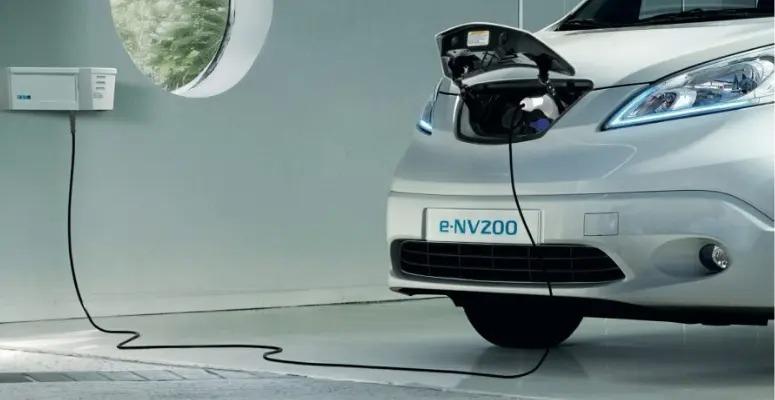
Electric vehicles have swiftly transitioned from being experimental curiosities to sophisticated machines that define the next era of transportation. With increasing public trust and widespread adoption, safety has become the cornerstone of innovation. Manufacturers, engineers, and researchers are continuously working to refine and reinforce the technology that powers these vehicles. In this pursuit, safe electric models represent not just progress but the promise of a more secure, sustainable future for all.
The Foundation of Electric Vehicle Safety
The perception of electric vehicle safety has evolved dramatically. Early doubts about battery stability and structural integrity have been replaced by confidence rooted in science, engineering, and extensive testing. Electric vehicles are now built on dedicated platforms engineered to optimize protection for both passengers and energy systems.
At the structural level, EVs benefit from a design advantage. With no bulky engine under the hood, designers have greater freedom to reinforce key areas with crumple zones, high-strength steel, and advanced composite materials. The result is a body frame that absorbs and dissipates impact energy more effectively. The battery, often located in the floor pan, contributes to a lower center of gravity, reducing the likelihood of rollovers and enhancing stability during sudden maneuvers.
Safety is not a secondary consideration in modern EVs; it is the principle upon which every component is conceived. The synergy between battery placement, weight distribution, and material science has given electric vehicles a safety profile that rivals, and in some cases surpasses, traditional combustion cars.
Battery Integrity and Fire Prevention
Perhaps the most scrutinized aspect of electric vehicle safety is the battery system. Public concern often centers on the potential for fires or thermal runaway incidents. However, technological advancements and rigorous testing protocols have made these events exceedingly rare.
Manufacturers use multiple layers of protection within battery packs. Each cell is isolated, monitored, and managed by intelligent systems that regulate temperature, charge levels, and power flow. In the event of a collision, sensors immediately disconnect the battery from high-voltage components, preventing electrical surges and minimizing risk.
Thermal management systems play a crucial role in maintaining safe operation. Liquid cooling circuits, specialized heat sinks, and even phase-change materials are used to ensure optimal temperature balance. This constant regulation prevents overheating and extends battery longevity.
Furthermore, modern EVs undergo fire-resistance testing that exceeds industry standards. Engineers simulate extreme conditions to ensure batteries can withstand punctures, submersion, or high-impact crashes without catastrophic failure. The level of scrutiny these batteries endure far surpasses that of most fuel systems in traditional vehicles.
Crash Safety and Structural Design
Crash safety is where electric vehicles truly excel. The absence of a large combustion engine allows designers to craft larger crumple zones and enhance energy absorption in frontal impacts. This design flexibility means EVs can protect occupants even in severe collisions.
Most modern electric vehicles achieve top ratings in global safety assessments, including Euro NCAP, IIHS, and NHTSA evaluations. Advanced simulation tools model thousands of potential crash scenarios before a single prototype is built. These digital assessments identify weaknesses early, enabling manufacturers to strengthen vulnerable points and optimize airbag deployment patterns.
The battery pack itself contributes to vehicle rigidity. Encased within reinforced aluminum or steel enclosures, it provides an extra layer of protection that stabilizes the structure during deformation. Engineers integrate breakaway mounts and crumple channels to direct forces away from the cabin.
Some manufacturers have also introduced innovative crash structures such as multi-load paths and carbon-fiber reinforcements, which distribute forces evenly and prevent cabin intrusion. These enhancements make modern EVs not only efficient but impressively resilient in the face of physical trauma.
Electrical Safety and System Redundancy
High-voltage systems necessitate stringent safety measures. Electric vehicles are equipped with comprehensive insulation, shielding, and fail-safe circuits that isolate current flow during abnormal events.
When a collision occurs, an automatic disconnection system severs the link between the battery and the rest of the electrical network. This immediate separation prevents electric shock hazards for passengers and first responders.
Additionally, every wiring harness is color-coded and sealed to protect against moisture and abrasion. The risk of electrocution or short-circuiting is statistically negligible thanks to these layered safeguards. Advanced diagnostic software continuously monitors the integrity of the electrical system, alerting drivers of any irregularities long before they pose a threat.
The result is an environment where even the most complex energy systems remain stable, predictable, and secure under all conditions.
Fire Testing and Emergency Response
One of the defining differences between electric and conventional vehicles lies in how they handle post-collision emergencies. Gasoline-powered cars rely on volatile fluids that can ignite under pressure or heat. Electric vehicles, on the other hand, contain energy within a sealed structure that resists ignition.
In the rare instance of a battery fire, propagation is slow and controlled, allowing passengers ample time to exit safely. Fire departments across the world are now trained in specific EV response techniques, including battery cooling and safe extraction procedures.
Manufacturers also collaborate with safety organizations to develop standardized protocols for handling damaged batteries. These include special containment procedures, transport methods, and disposal techniques that ensure complete safety even after an accident.
Autonomous Safety Systems
Modern electric vehicles are inseparable from the concept of intelligent safety. Advanced Driver Assistance Systems (ADAS) now form an integral part of their safety framework.
Cameras, radar units, and ultrasonic sensors work together to provide a 360-degree awareness of surroundings. These systems monitor speed, lane positioning, pedestrian movement, and nearby obstacles in real time. Artificial intelligence processes this data to anticipate collisions, warn drivers, or even intervene autonomously.
Features such as adaptive cruise control, lane-keeping assistance, automatic emergency braking, and blind-spot detection are standard in many electric models. As sensor resolution and processing power improve, these systems evolve toward full autonomy, reducing human error, which remains the leading cause of road accidents.
Night vision technologies, driver attention monitoring, and adaptive headlight systems further enhance situational awareness. The integration of these intelligent tools transforms vehicles from passive protectors into active guardians of human safety.
The Role of Software in Safety
Software defines much of the safety evolution in electric vehicles. Through continuous updates, manufacturers can enhance performance, correct issues, and introduce new safety features remotely.
Over-the-air (OTA) updates enable rapid response to newly discovered risks or environmental conditions. This ensures that even older models remain compliant with the latest safety standards. Such adaptability would be impossible in traditional vehicles that rely on static mechanical components.
Machine learning algorithms refine driver-assist features based on aggregated data from global fleets. Every mile driven contributes to collective safety knowledge, improving system accuracy and decision-making speed.
Cybersecurity is also central to EV safety. With vehicles connected to digital ecosystems, manufacturers employ encryption, intrusion detection, and multi-layered firewalls to prevent unauthorized access. The protection of software integrity is as vital as the protection of passengers.
Pedestrian and External Safety
Electric vehicles operate quietly, a feature that enhances comfort but introduces new challenges for pedestrian safety. To mitigate this, regulations require EVs to emit artificial sounds at low speeds. These sounds, carefully engineered to be audible yet non-intrusive, alert pedestrians without contributing to noise pollution.
Exterior lighting systems have evolved into advanced communication tools. Dynamic indicators, adaptive beams, and illuminated grilles enhance visibility in all conditions. Some models even use projection lighting to display warnings or guide pedestrians at crosswalks.
Crash detection systems can automatically contact emergency services, transmit location data, and unlock doors to facilitate rescue. These external safety measures extend the vehicle’s protective capacity beyond its occupants, contributing to safer communities overall.
Environmental and Long-Term Safety
Safety in electric vehicles transcends physical protection. Environmental safety plays a crucial role in ensuring long-term human well-being. By eliminating tailpipe emissions, EVs contribute to cleaner air and reduced respiratory illnesses in urban environments.
Battery recycling programs prevent toxic waste and conserve valuable minerals. Manufacturers now design batteries with recyclability in mind, simplifying disassembly and resource recovery. This closed-loop approach not only reduces environmental hazards but also strengthens material sustainability.
From cradle to grave, the focus on environmental integrity ensures that the safety of one generation does not come at the cost of another.
Psychological Perception of Safety
Public perception often lags behind technological reality. Many drivers still equate silence or unfamiliar technology with risk. Education and transparency are key to bridging this gap.
Manufacturers openly share test results, publish safety ratings, and engage with independent organizations to validate their claims. The more consumers understand the science behind electric vehicle safety, the more confidence they gain in adopting them.
The growing number of real-world success stories, where electric vehicles have protected passengers in severe accidents, further reinforces public trust. These testimonials transform skepticism into assurance.
Comparative Analysis: Electric vs. Conventional Vehicles
When comparing electric and traditional vehicles, the safety differences are striking. Internal combustion engines rely on explosive fuel, complex mechanics, and numerous moving parts—all potential failure points. Electric vehicles simplify this architecture, reducing mechanical vulnerability.
Crash tests consistently reveal lower cabin deformation and fewer fatalities in EV collisions of similar intensity. The battery’s structural contribution acts as both an anchor and a shield. Additionally, the lower center of gravity improves traction and reduces skidding during emergency maneuvers.
While fire incidents in gasoline vehicles are far more frequent, the few electric vehicle fires that do occur receive disproportionate attention due to their novelty. Statistically, EVs remain among the safest classes of vehicles on the road today.
Continuous Innovation in Safety Research
Safety innovation never rests. Researchers are exploring solid-state batteries that eliminate flammable liquids entirely, further reducing risk. New sensor technologies promise even greater accuracy in detecting hazards before they manifest.
Materials scientists are developing next-generation composites that combine strength, lightness, and self-healing properties. These materials can repair minor structural damage autonomously, maintaining integrity over time.
Collaborations between automakers, universities, and government agencies drive advancements in simulation modeling, crash prediction, and occupant biomechanics. Each discovery strengthens the foundation of safety upon which future electric vehicles will be built.
Global Standards and Regulatory Oversight
Governments worldwide are implementing stringent standards to ensure the safety of electric vehicles. Regulations now cover every aspect, from battery testing and crash performance to cybersecurity and recycling.
Compliance with these standards is mandatory for market approval. Independent verification by agencies such as NHTSA, Euro NCAP, and Global NCAP ensures transparency and accountability. These bodies continuously update their criteria to reflect emerging technologies and risks.
This regulatory vigilance fosters a culture of safety-first innovation. Manufacturers not only meet but often exceed these standards, using them as benchmarks for excellence.
The Future of Electric Vehicle Safety
The next decade will redefine automotive safety once again. Fully autonomous systems will dramatically reduce human error. Vehicle-to-vehicle communication will enable coordinated responses to hazards, creating synchronized traffic environments where collisions become rare.
Artificial intelligence will predict maintenance needs before failures occur. Energy-absorbing materials may adapt dynamically to impact forces. Biometric sensors will monitor driver health and alert emergency services if needed.
The vision is clear: a world where mobility is not only efficient and sustainable but virtually immune to preventable harm. The electric vehicle, born from necessity, is now the blueprint for safety innovation across the entire automotive landscape.
About the Author