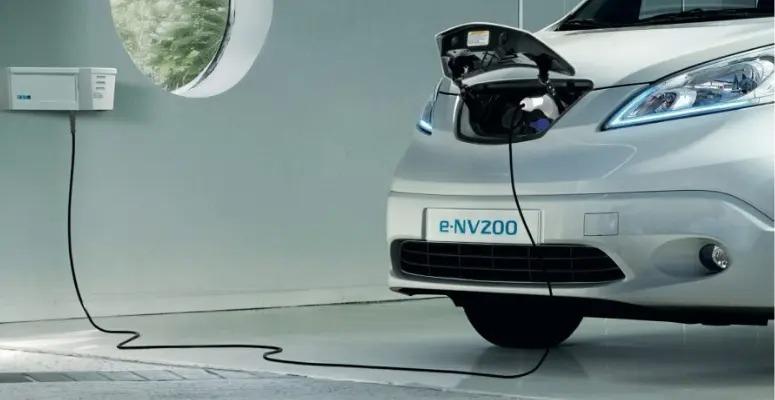
In recent years, the surge in popularity of carbon electric vehicles has signaled a profound shift in how society approaches transportation and environmental stewardship. These vehicles, powered primarily by electricity rather than traditional fossil fuels, have the potential to drastically reduce the carbon emissions associated with daily commuting and long-distance travel. The concept is straightforward yet revolutionary: by replacing gasoline or diesel engines with electric powertrains, the amount of carbon dioxide released into the atmosphere can be significantly curtailed, contributing to a cleaner, healthier planet. Beyond the immediate reduction in exhaust emissions, electric vehicles (EVs) integrate seamlessly with renewable energy infrastructures, enabling even greater reductions in greenhouse gas emissions when charged with solar, wind, or hydroelectric energy.
Understanding Carbon Emissions in Transportation
Transportation has long been one of the largest contributors to global greenhouse gas emissions. Traditional internal combustion engine (ICE) vehicles burn gasoline or diesel, releasing carbon dioxide, methane, and nitrous oxide into the atmosphere. These gases trap heat, contributing to the greenhouse effect and global warming. According to recent studies, road transportation alone accounts for roughly 24% of direct CO2 emissions from fuel combustion worldwide. This alarming statistic underscores the urgency of transitioning to cleaner alternatives such as electric vehicles. By leveraging electric motors and batteries, EVs emit zero tailpipe emissions, eliminating a substantial portion of the pollutants associated with conventional driving.
The Mechanics of Electric Vehicles
The engineering behind electric vehicles is elegantly efficient. Unlike ICE vehicles, which rely on complex systems of pistons, transmissions, and exhaust mechanisms, EVs operate using electric motors powered by high-capacity batteries. These motors convert electrical energy directly into mechanical energy, providing instant torque and smoother acceleration. The absence of combustion not only reduces emissions but also minimizes the inefficiencies inherent in traditional engines. Furthermore, regenerative braking systems in EVs capture kinetic energy during deceleration, storing it back in the battery and improving overall energy efficiency. This system exemplifies how thoughtful engineering in electric vehicles can contribute directly to lower carbon footprints.
Battery Technology and Its Environmental Impact
While electric vehicles offer clear benefits in terms of reducing operational emissions, the production and disposal of batteries are often cited as environmental concerns. Lithium-ion batteries, which dominate the EV market, require mining of lithium, cobalt, and nickel. These processes can have ecological repercussions if not managed responsibly. However, advancements in battery recycling and sustainable mining practices are rapidly mitigating these impacts. Second-life applications for EV batteries, such as energy storage for solar installations, further enhance their environmental value. When considering the total lifecycle emissions, studies indicate that EVs still produce significantly fewer greenhouse gases than ICE vehicles, even accounting for battery production.
Renewable Energy Integration
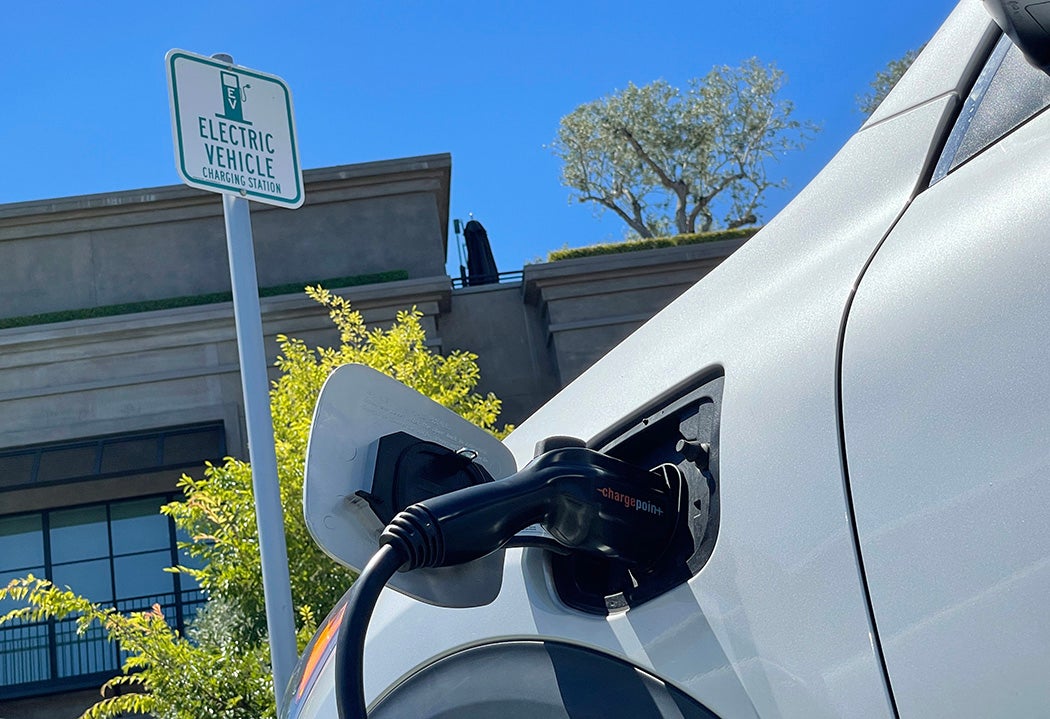
One of the most compelling aspects of electric vehicles is their compatibility with renewable energy. Charging an EV using electricity generated from solar panels, wind turbines, or hydroelectric plants drastically lowers its carbon footprint compared to using electricity from fossil fuel sources. As the energy grid becomes increasingly renewable, the environmental benefits of electric vehicles will continue to grow. Smart charging solutions, including time-of-use pricing and grid-responsive charging, allow owners to maximize efficiency and minimize emissions. This synergy between renewable energy and EV technology represents a transformative opportunity for sustainable transportation.
Urban Mobility and Reduced Pollution
Electric vehicles also play a pivotal role in improving urban air quality. Cities often experience heightened levels of nitrogen oxides, particulate matter, and other pollutants from dense traffic. By adopting EVs, municipalities can reduce local air pollution, enhancing public health outcomes. The quieter operation of electric motors additionally contributes to reduced noise pollution, creating more livable urban environments. Policies supporting EV adoption, such as incentives for electric taxis, buses, and delivery vehicles, can further amplify these benefits, demonstrating how technology and public policy can intersect to reduce the environmental impact of transportation.
The Role of Government Policies
Government policies are instrumental in accelerating the adoption of electric vehicles and reducing carbon emissions. Subsidies, tax incentives, and investment in charging infrastructure can make EVs more accessible to the general public. Some regions have implemented strict emissions standards, nudging automakers to prioritize electric powertrains over traditional ICE models. Urban planning initiatives that promote EV-friendly infrastructure, such as dedicated lanes and parking spaces, further encourage widespread adoption. These policy measures create a supportive ecosystem, ensuring that electric vehicles contribute effectively to reducing carbon emissions on a national and global scale.
The Economics of Electric Vehicles
While the initial purchase price of an electric vehicle can be higher than that of a comparable ICE vehicle, the total cost of ownership often proves lower over time. Reduced fuel costs, lower maintenance requirements, and government incentives contribute to long-term savings. Additionally, the resale value of EVs is becoming more robust as demand for sustainable transportation grows. From an economic perspective, investing in electric vehicles is increasingly advantageous for individuals, businesses, and municipal fleets. The financial feasibility of EVs, coupled with their environmental benefits, underscores their role as a cornerstone of sustainable mobility.
Innovation in EV Design
Modern electric vehicles are not just environmentally friendly; they are also pushing the boundaries of automotive design and performance. Engineers are exploring lightweight materials, aerodynamic structures, and advanced battery cooling systems to enhance efficiency. High-performance EVs are capable of rapid acceleration, long ranges, and sophisticated autonomous driving features. These innovations ensure that the transition to electric mobility does not require compromise on style, comfort, or convenience. The combination of cutting-edge technology and ecological responsibility positions EVs as a compelling choice for forward-thinking consumers.
Global Adoption Trends
The global market for electric vehicles has expanded rapidly in recent years. Countries like Norway, China, and the Netherlands have implemented aggressive policies to phase out ICE vehicles, resulting in substantial EV adoption rates. In parallel, automakers worldwide are committing to electrification, pledging to introduce more electric models across different segments. These trends suggest that electric vehicles are not a fleeting trend but a durable shift in global transportation patterns. As infrastructure, technology, and public awareness converge, EVs will increasingly dominate the automotive landscape, reducing carbon footprints on a massive scale.
Challenges and Future Outlook
Despite their advantages, electric vehicles face challenges that must be addressed to maximize their environmental impact. Battery resource limitations, charging infrastructure gaps, and grid capacity concerns remain key obstacles. However, continuous innovation in battery chemistry, widespread deployment of fast-charging networks, and the integration of renewable energy sources are steadily overcoming these barriers. Researchers are exploring solid-state batteries, ultra-fast charging, and vehicle-to-grid systems to further enhance the sustainability of electric mobility. These advancements indicate a promising trajectory for EVs as they continue to reshape the automotive industry and reduce global carbon emissions.
About the Author