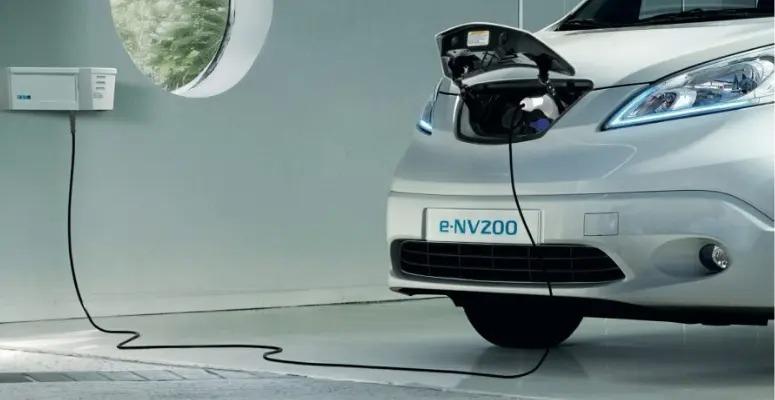
The quest for sustainable transportation has ignited a revolution on roads across the globe. The promise of cleaner electric vehicles is not just about innovation but about reimagining mobility in ways that respect both people and planet. Each passing year brings new advancements, and what was once considered niche technology now defines the trajectory of modern transport.

The Urgency of Transformation
Global emissions from traditional cars have long been a contributor to climate instability, urban smog, and declining air quality. Cities choked by exhaust fumes grapple with respiratory illnesses, traffic noise, and increasing carbon footprints. Electric vehicles address these issues head-on by providing mobility without the same environmental debt. The urgency is clear: to preserve a livable tomorrow, cleaner choices must dominate today.
The Science Behind the Silence
Electric drivetrains are marvels of simplicity compared to internal combustion engines. Instead of thousands of parts whirring and grinding, an electric motor delivers torque directly to the wheels. The result is not only efficiency but near silence. This auditory shift changes the entire driving experience. The absence of engine noise allows drivers to savor the road in tranquility, while neighborhoods gain reprieve from the constant drone of traffic.
Energy recovery further enhances performance. Through regenerative braking, energy otherwise lost in heat is captured and stored, making the entire cycle more efficient. It feels futuristic, but it is increasingly commonplace, proving that practicality and ingenuity can coexist.
Batteries: The Heart of Innovation
At the core of electric progress lies the battery. The evolution of lithium-ion technology has transformed what was once impractical into a mainstream marvel. Improvements in energy density mean longer ranges, with many modern vehicles traveling hundreds of kilometers on a single charge. Charging speeds have also improved dramatically. What once took overnight now requires less than an hour at high-powered stations.
The future promises even more. Solid-state batteries, currently under development, aim to deliver faster charging, greater longevity, and enhanced safety. If successful, they will redefine the benchmarks for automotive power storage, making electric driving irresistible.
Affordability and Accessibility
Critics often point to higher purchase prices, but long-term costs tell another story. Electricity is consistently cheaper per kilometer than gasoline. Maintenance, too, is reduced because electric drivetrains lack many of the components prone to wear. No oil changes, fewer part replacements, and longer service intervals mean more money remains in the owner’s pocket.
Governments around the world also provide incentives to accelerate adoption. Tax rebates, purchase subsidies, and low-interest financing ease the initial burden. As production scales and competition intensifies, the upfront cost gap narrows, making electric options increasingly accessible to everyday consumers.
Charging Infrastructure Expansion
For electric vehicles to thrive, reliable charging must be as common as fuel stations. The rollout of infrastructure is advancing quickly, with urban centers, highways, and even rural towns embracing the shift. Fast chargers along major routes ensure long-distance travel without fear of running out of power. Home charging adds unparalleled convenience, offering the luxury of waking up to a fully charged vehicle.
Emerging technologies enhance this ecosystem further. Wireless charging pads, bi-directional vehicle-to-grid connections, and solar-integrated systems push convenience into uncharted territory. Vehicles will not only consume electricity but help balance the grid, creating symbiosis between mobility and energy.
Environmental Advantages
The elimination of tailpipe emissions directly benefits urban air quality. Fewer particulates and nitrogen oxides in the atmosphere mean healthier lungs and clearer skies. Over time, as grids transition to renewable energy, the overall carbon footprint of electric vehicles decreases even further.
Battery recycling initiatives also reduce waste. Spent batteries can be repurposed for home energy storage or grid stabilization, extending their life long after their automotive use has ended. This circular approach ensures sustainability is not only about initial adoption but about long-term responsibility.
Performance Beyond Expectation
Electric cars have shattered outdated perceptions that eco-friendly equals dull. Instant torque delivers exhilarating acceleration, rivaling high-performance combustion models. Even compact urban models impress drivers with their responsiveness. The absence of gear shifts adds smoothness, while advanced stability systems maintain control.
Luxury models showcase what is possible when technology and imagination merge. Panoramic screens, adaptive lighting, and voice-controlled interiors create experiences more akin to digital lounges than traditional cabins. Style, comfort, and sustainability no longer occupy separate domains but coexist harmoniously.
Societal Impacts
The transition to electric vehicles reshapes economies. Oil dependency diminishes, reducing geopolitical tensions tied to fossil fuels. Job creation rises in renewable energy, battery production, and technology sectors. Urban air improves, reducing healthcare costs and improving quality of life.
There is also a psychological shift. Owning an electric vehicle becomes a declaration of values. It symbolizes commitment to environmental stewardship, technological optimism, and forward-thinking lifestyles. Cultural acceptance accelerates adoption, turning electric driving into a movement rather than a market segment.
Global Adoption Trends
Regions approach the transformation at different speeds. Europe, driven by stringent regulations, already sees electric cars dominate new sales in several nations. China has embraced electrification aggressively, leveraging state support and vast manufacturing capacity. In North America, shifting consumer perceptions and government incentives are fueling rapid growth.
Emerging markets also play a role. Two- and three-wheel electric vehicles provide affordable, sustainable mobility for millions. Public transportation fleets in many regions are transitioning, amplifying the impact beyond private ownership.
Challenges on the Horizon
Despite progress, challenges remain. Battery production requires materials like lithium and cobalt, raising ethical and environmental concerns about mining. Research into alternative chemistries aims to address these issues. Sodium-ion and solid-state options hold potential to reduce dependence on scarce minerals.
Grid capacity must also expand. As more vehicles charge simultaneously, demand surges. Smart charging solutions, renewable integration, and decentralized microgrids provide ways to prevent overload while ensuring sustainable power delivery.
Consumer education is equally crucial. Myths about range, performance, and cost persist, slowing adoption. Transparent communication, real-world demonstrations, and word-of-mouth experiences can help dispel misinformation.
Integration with Smart Systems
Electric vehicles are not isolated innovations. They form part of larger ecosystems of smart cities and digital lifestyles. Connected to the Internet of Things, vehicles communicate with traffic signals, energy grids, and personal devices. This integration streamlines journeys, reduces congestion, and enhances safety.
Vehicle-to-home systems enable cars to power houses during outages. Vehicle-to-grid connections let fleets stabilize electrical networks. These capabilities transform cars into active participants in energy management, elevating them beyond transportation into multipurpose assets.
Cultural Symbolism
Throughout history, modes of transport have carried symbolic meaning. Horses represented freedom, steam engines symbolized industrial progress, and gasoline cars epitomized the twentieth century. Today, electric vehicles embody the spirit of sustainability and innovation. They represent humanity’s commitment to correcting past mistakes while forging new paths forward.
Advertising, cinema, and popular media amplify this symbolism. Electric cars appear not only as practical solutions but as aspirational icons. They are woven into narratives of progress, responsibility, and modern identity.
The Road Ahead
Imagining the world two decades from now paints a vivid picture. Highways filled with quiet, emission-free vehicles. Cities with cleaner air and less noise. Households powered partially by their own cars. Work commutes transformed into serene journeys of comfort and efficiency.
Artificial intelligence will likely amplify this transformation. Vehicles will become increasingly autonomous, reducing accidents and traffic congestion. Personalized settings will adapt to driver moods, offering tailored music, lighting, and climate control. The boundary between mobility and lifestyle will blur entirely.
The Broader Impact
Electric mobility cannot be viewed in isolation. It interconnects with climate goals, urban planning, and global health. Each new electric car contributes to broader societal resilience. Cleaner air, reduced greenhouse gases, and energy independence all flow from this change.
The transition symbolizes more than technological progress. It reflects an evolution of priorities, from reckless consumption to mindful innovation. By embracing electricity, humanity moves closer to balance with the natural world.
About the Author