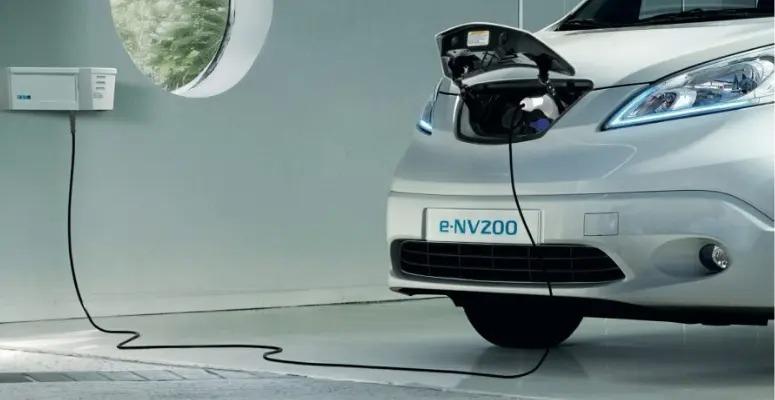
The automotive landscape is undergoing a revolutionary shift, and at the heart of this transformation are sustainable electric vehicles. These vehicles embody the convergence of cutting-edge technology, environmental responsibility, and modern design, offering a pathway toward a cleaner, more efficient future. From urban streets to long-distance highways, electric vehicles are redefining mobility while reducing the environmental footprint of transportation. Their adoption is no longer a niche choice but a crucial element in global efforts to curb carbon emissions, improve air quality, and promote sustainable living.

The Environmental Imperative
Transportation is a significant contributor to global greenhouse gas emissions, making the transition to electric mobility essential. Sustainable electric vehicles offer a pathway to drastically reduce carbon emissions, particularly when paired with renewable energy sources such as solar, wind, or hydroelectric power. Unlike conventional internal combustion engines, electric drivetrains produce zero tailpipe emissions, contributing to cleaner air in densely populated areas and mitigating the effects of climate change.
Urban centers, in particular, benefit from the proliferation of electric vehicles. Reduced emissions improve public health by lowering the prevalence of respiratory issues, cardiovascular diseases, and pollution-related ailments. The environmental impact extends beyond emissions; electric vehicles require fewer moving parts, resulting in less waste from maintenance and longer vehicle lifespans.
Advancements in Battery Technology
Central to the success of electric vehicles is the evolution of battery technology. Lithium-ion batteries have dominated the market, but newer chemistries such as solid-state batteries promise higher energy density, faster charging, and improved safety. These innovations are critical for expanding the range and practicality of electric vehicles, enabling drivers to embark on longer journeys without compromising convenience.
Battery recycling and sustainable sourcing are also becoming priorities. Companies are developing closed-loop systems to recover valuable materials such as lithium, cobalt, and nickel, minimizing environmental impact and reducing reliance on extractive mining practices. By focusing on responsible production and end-of-life management, sustainable electric vehicles can further solidify their role as environmentally friendly solutions.
Urban Mobility and the Rise of Compact EVs
In metropolitan areas, compact electric vehicles are revolutionizing mobility. Their small footprint makes parking and maneuvering effortless, while their efficient energy consumption aligns with sustainable city planning initiatives. Regenerative braking systems capture energy during stop-and-go traffic, enhancing efficiency and extending battery life.
These vehicles are particularly well-suited for commuters, offering cost-effective solutions without sacrificing comfort or connectivity. Integrated smart technologies allow drivers to monitor battery levels, locate charging stations, and optimize routes for energy efficiency. By reducing reliance on fossil fuels in urban environments, compact electric vehicles support cleaner, quieter, and more sustainable cities.
Family-Oriented EVs: Combining Practicality with Sustainability
For families, electric vehicles provide the dual benefits of space and environmental responsibility. Mid-size SUVs and crossover EVs accommodate passengers comfortably while offering ample cargo capacity. Advanced safety features, including adaptive cruise control, collision avoidance, and lane-keeping assist, enhance peace of mind.
Range anxiety, a common concern for families, is increasingly mitigated by extended battery capacities and the rapid expansion of public charging infrastructure. Smart charging solutions enable households to charge vehicles during off-peak hours, reducing electricity costs and grid strain. By combining functionality with eco-conscious design, family-oriented electric vehicles make sustainable living attainable without compromise.
High-Performance EVs and Enthusiast Appeal
Electric vehicles are no longer limited to practicality; high-performance models demonstrate that sustainability and exhilaration can coexist. Instantaneous torque, precise handling, and aerodynamic designs deliver a driving experience previously reserved for combustion engines. These vehicles challenge perceptions that eco-friendly transportation is inherently dull or underpowered.
Advanced thermal management systems ensure that batteries maintain optimal performance during spirited driving, while regenerative braking maximizes energy efficiency. High-performance electric vehicles provide an engaging driving experience while reinforcing the broader message that sustainable electric vehicles can be desirable, aspirational, and fun.
Off-Road and Adventure-Ready EVs
The appeal of electric vehicles extends beyond urban streets and highways. Adventure-seekers benefit from off-road EVs equipped with high torque, adjustable suspension, and reinforced chassis designs. These vehicles offer the capability to navigate rugged terrain while minimizing environmental impact, particularly in sensitive ecosystems.
Extended-range batteries, portable charging solutions, and terrain-adaptive drive modes ensure that off-road excursions are practical and enjoyable. By eliminating fuel spills, noise pollution, and exhaust emissions, adventure-focused electric vehicles align outdoor exploration with ecological stewardship. Sustainable electric vehicles allow enthusiasts to pursue rugged adventures responsibly, blending thrill with conscientious travel.
Luxury EVs: Sophistication Meets Sustainability
Luxury electric vehicles exemplify how sustainability and opulence can coexist. High-end sedans and SUVs feature premium materials, customizable interiors, and advanced infotainment systems while delivering impressive performance. These vehicles cater to professionals and environmentally conscious individuals seeking style, comfort, and technological sophistication.
Autonomous driving capabilities, smart cabin features, and intelligent energy management systems enhance convenience and efficiency. Charging solutions tailored to urban residences and workplaces ensure that luxury does not come at the cost of practicality. By demonstrating that sustainability is compatible with luxury, these vehicles help redefine societal perceptions of eco-conscious living.
Commercial Fleets and the Business Case
Electric vehicles are increasingly practical for commercial applications, including delivery services, ride-sharing, and corporate fleets. Reduced operational costs, lower maintenance requirements, and brand alignment with sustainability objectives make electric fleets an attractive option. Predictive maintenance, route optimization, and telematics software further enhance efficiency and operational control.
By integrating renewable energy sources and smart charging systems, businesses can maximize the environmental benefits of electrification while minimizing operating expenses. The adoption of electric vehicles in commercial contexts demonstrates that sustainable electric vehicles are not only viable but advantageous across multiple sectors.
Charging Infrastructure and Renewable Integration
The expansion of charging infrastructure is essential to the widespread adoption of electric vehicles. Residential, public, and workplace charging stations provide flexibility, convenience, and reliability. Many modern vehicles support fast-charging capabilities, enabling long-distance travel without extended downtime.
Integration with renewable energy sources amplifies the environmental benefits of electric mobility. Solar-powered home charging systems, grid-interactive vehicle-to-grid technology, and smart energy management allow drivers to minimize carbon footprints while contributing to energy efficiency. Effective infrastructure ensures that electric vehicles are a practical, sustainable choice for a broad range of lifestyles.
Economic Viability and Total Cost of Ownership
While the upfront cost of electric vehicles can be higher than traditional vehicles, long-term savings make them economically compelling. Reduced fuel expenses, lower maintenance costs, and access to government incentives improve affordability. Evaluating total cost of ownership helps consumers understand the comprehensive value of electric vehicles, including financial, environmental, and lifestyle benefits.
Electric vehicle ownership can be particularly advantageous in regions with supportive policies, such as tax credits, rebates, and access to low-emission zones. Over time, the economic case for electrification strengthens, encouraging broader adoption and accelerating the transition to a sustainable transportation ecosystem.
Technological Advancements and Smart Features
Electric vehicles are equipped with cutting-edge technologies that enhance usability, efficiency, and safety. Features such as AI-assisted navigation, adaptive cruise control, and advanced driver-assistance systems streamline driving experiences while promoting sustainability. Vehicle-to-grid integration allows EVs to interact with energy networks, providing grid support and leveraging renewable energy resources.
Connectivity also enhances lifestyle integration. Mobile apps provide real-time data on energy usage, charging station availability, and vehicle diagnostics. Drivers can optimize efficiency, plan long journeys, and contribute to broader sustainability efforts with ease. These technological advancements underscore the versatility and forward-thinking nature of sustainable electric vehicles.
Health and Community Benefits
Transitioning to electric vehicles has a tangible impact on public health and community well-being. Reduced emissions improve air quality, decrease noise pollution, and foster healthier urban environments. For communities with dense traffic, these benefits translate to lower incidence of respiratory ailments, reduced cardiovascular strain, and a quieter, more livable cityscape.
Health-conscious individuals and families benefit directly, while society at large experiences long-term advantages from cleaner, more sustainable urban mobility. Electric vehicles are not only environmentally responsible but also socially advantageous, promoting a higher quality of life for all residents.
Customization and Personal Expression
The versatility of electric vehicles extends to personal expression. Owners can choose colors, trims, and performance packages to reflect individual tastes while optimizing sustainability. Software updates enhance vehicle capabilities over time, ensuring that performance, efficiency, and convenience evolve alongside owner preferences.
Customizable driving modes allow individuals to tailor acceleration, energy consumption, and regenerative braking to suit specific driving scenarios. These features provide a dynamic and personalized experience while reinforcing the environmental and practical benefits of electric mobility.
Policy and Global Adoption
Governments worldwide are incentivizing electric vehicle adoption through subsidies, tax credits, and regulatory frameworks. Many countries are setting ambitious targets for zero-emission transportation, signaling a clear shift toward sustainable mobility. Urban planning initiatives support EV integration through dedicated lanes, charging infrastructure, and low-emission zones.
Global adoption is accelerating as infrastructure, technology, and consumer awareness improve. Collaborative efforts between manufacturers, governments, and energy providers are essential to ensure that electric vehicles can meet demand while contributing meaningfully to environmental objectives.
Future Trends in Sustainable Mobility
The future of sustainable electric vehicles is closely tied to advancements in battery technology, autonomous driving, and renewable energy integration. Vehicles are expected to become more energy-efficient, capable of bi-directional energy transfer, and seamlessly connected to smart city infrastructure.
Shared mobility models, subscription services, and modular vehicle platforms will further expand accessibility and adaptability. As these trends evolve, electric vehicles will increasingly cater to diverse lifestyles, from urban commuting to recreational adventures, all while minimizing environmental impact.
About the Author