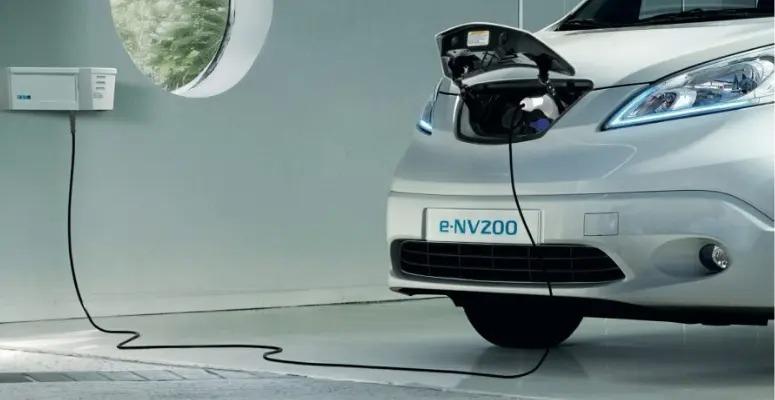
In the modern age of innovation and environmental awareness, the debate surrounding electric vs gas vehicles has taken center stage. This conversation transcends the boundaries of technology, economics, and sustainability, touching on the very essence of how humanity moves. As nations commit to carbon neutrality and consumers grow increasingly conscious of their ecological footprint, the automobile industry finds itself at a crossroads. On one side, the age-old internal combustion engine that has powered society for over a century; on the other, the sleek, silent, and efficient electric vehicle, champion of a cleaner tomorrow.
The Great Divide: Two Titans of Transport
For generations, gas-powered cars have dominated roads worldwide. They epitomized freedom, speed, and the mechanical brilliance of human ingenuity. Yet, as the world confronts the realities of climate change, fossil fuel dependence, and air pollution, their long-held reign faces a formidable challenger. Electric vehicles have emerged as a beacon of change, promising efficiency without the environmental toll.
The contrast between these two technologies is profound. Gasoline engines rely on combustion, a process that releases carbon dioxide and other pollutants into the atmosphere. Electric vehicles, by contrast, convert stored electrical energy into motion with remarkable efficiency, producing zero tailpipe emissions. This fundamental difference forms the basis of an ongoing revolution that could redefine transportation for centuries to come.
The Mechanics of Power: How They Work
Understanding the core mechanics of both systems reveals why electric mobility has captured the imagination of innovators.
Gas cars function through internal combustion engines, where a mixture of fuel and air ignites to create energy. This process propels pistons, turns crankshafts, and ultimately drives the wheels. It is intricate, powerful, and effective—but inherently inefficient. A significant portion of the energy generated is lost as heat, and the continuous burning of fossil fuels contributes to global emissions.
Electric vehicles, on the other hand, simplify this process. They use electric motors powered by rechargeable batteries. Instead of combustion, electricity flows through conductors to generate motion. This elegant simplicity reduces mechanical wear, minimizes noise, and nearly eliminates energy waste. Moreover, advancements in battery technology have extended range capabilities and reduced charging times, closing the gap that once separated convenience from sustainability.
Environmental Impact: The Green Imperative
The environmental consequences of traditional vehicles are undeniable. Gasoline engines emit not only carbon dioxide but also nitrogen oxides, particulates, and volatile organic compounds. These pollutants contribute to smog formation, respiratory illnesses, and climate degradation.
Electric vehicles, in contrast, offer a pathway toward cleaner air and reduced greenhouse gas emissions. When charged from renewable energy sources such as solar or wind, they become virtually emission-free. Even when powered by mixed-grid electricity, their overall carbon output remains significantly lower than that of their gasoline counterparts.
Furthermore, the quiet operation of EVs helps reduce urban noise pollution, fostering more peaceful city environments. This combination of reduced emissions and noise represents an unparalleled leap toward sustainable urban living.
The Economic Equation: Cost Over Time
The financial comparison between electric and gas vehicles reveals intriguing insights. At first glance, the higher purchase price of electric vehicles can deter potential buyers. However, long-term ownership costs often favor the electric option.
Electric vehicles have fewer moving parts, resulting in lower maintenance expenses. There are no oil changes, fewer fluid replacements, and reduced brake wear thanks to regenerative braking systems. Electricity, in most regions, also costs less per mile than gasoline.
As battery technology advances and production scales, upfront costs continue to decline. Incentives, tax credits, and rebates from governments further narrow the financial gap, making electric mobility increasingly accessible to the average consumer.
Gas vehicles, meanwhile, remain vulnerable to fuel price volatility and ongoing maintenance costs. While initial prices may seem attractive, lifetime expenses often paint a different picture—one that highlights the long-term advantages of electrification.
Range and Refueling: The Battle of Convenience
One of the most common concerns among drivers considering electric vehicles is range anxiety—the fear of running out of charge mid-journey. Historically, this was a legitimate obstacle, as early EV models offered limited mileage. Today, however, rapid advancements in battery technology have expanded ranges dramatically, with many modern electric vehicles easily surpassing 300 miles on a single charge.
Charging infrastructure is expanding at a remarkable pace. Public charging stations are becoming as ubiquitous as gas stations once were. Fast-charging technology allows drivers to replenish most of their battery in under 30 minutes, transforming long-distance travel into a realistic prospect.
Gas cars still hold the upper hand in refueling speed, with a full tank achievable in minutes. Yet this advantage may diminish as technology continues to evolve. For many urban and suburban drivers, overnight home charging offers unmatched convenience. Imagine starting each day with a full “tank” without ever visiting a station.
Performance: Power Redefined
Electric vehicles have redefined performance metrics. Instant torque delivery provides exhilarating acceleration that gas engines struggle to match. Pressing the accelerator in an EV produces an immediate surge of power, creating a seamless and responsive driving experience.
Gas engines, with their mechanical delays and gear transitions, cannot replicate this instantaneous response. While they retain their appeal among traditionalists for the visceral growl and tactile feedback, the refined quietness of electric propulsion offers a different kind of thrill—one rooted in precision and smoothness.
Moreover, electric vehicles excel in stability and control. With batteries mounted low in the chassis, they achieve a near-perfect weight distribution, enhancing handling and cornering. The result is a driving experience that is both dynamic and composed.
Infrastructure and Accessibility: Building the Network
The transition to electric mobility depends heavily on infrastructure. Governments and corporations worldwide are investing billions in charging networks, renewable energy integration, and grid modernization. These developments aim to make electric transportation as seamless as its gasoline counterpart.
Urban centers are leading the charge, installing fast chargers in shopping centers, parking facilities, and workplaces. Rural areas are gradually following suit, supported by national initiatives to eliminate “charging deserts.”
Gasoline infrastructure, by contrast, is already mature and deeply embedded. However, it faces challenges in adapting to future sustainability standards. As nations tighten emissions regulations and promote clean energy alternatives, the relevance of traditional fueling networks may gradually decline.
Sustainability Beyond the Vehicle: Energy Sources and Supply Chains
While electric vehicles produce zero emissions during operation, their environmental impact also depends on how electricity is generated. In regions reliant on coal or natural gas, emissions reductions may be less pronounced. However, as renewable energy adoption increases, the sustainability benefits of electric vehicles grow exponentially.
Battery production remains a topic of debate. Mining materials such as lithium, cobalt, and nickel can have ecological and ethical implications. Yet, advancements in recycling, responsible sourcing, and new chemistries are mitigating these concerns. Manufacturers are developing closed-loop systems that reclaim and reuse battery materials, reducing waste and dependence on raw extraction.
Gas vehicles, by contrast, remain tethered to the extraction, refining, and combustion of petroleum—a process that inherently damages ecosystems and emits vast quantities of greenhouse gases. The contrast underscores the long-term sustainability potential of electric mobility.
Maintenance and Longevity: Simplicity as Strength
Electric vehicles offer an elegant simplicity that translates into durability. With fewer moving parts, the likelihood of mechanical failure decreases dramatically. Electric motors can last hundreds of thousands of miles with minimal maintenance. Software updates can enhance performance, fix bugs, and extend functionality without physical intervention.
Gas cars, while robust and time-tested, require regular upkeep. Oil changes, spark plug replacements, transmission services, and exhaust system repairs add to cumulative costs and inconvenience. Over time, the complexity of internal combustion systems becomes a liability compared to the streamlined efficiency of electric propulsion.
The Psychological Shift: From Nostalgia to Innovation
For many, gas-powered vehicles evoke nostalgia. The rumble of the engine, the smell of fuel, and the tactile engagement of shifting gears form part of cultural and emotional identities. Cars have long symbolized independence, adventure, and craftsmanship.
Yet, as society’s values evolve, so does its perception of what defines automotive excellence. Quietness, intelligence, and sustainability are replacing noise, brute power, and excess as the hallmarks of progress. Electric vehicles embody these ideals. They represent not just a change in technology but a transformation in mindset—a collective acknowledgment that innovation must serve both humanity and the planet.
This psychological shift is visible across generations. Younger consumers, raised amidst conversations of climate awareness, view electric vehicles as natural choices. Their decisions are guided by purpose as much as by preference, signaling the dawn of a new automotive culture.
The Global Perspective: Policy and Progress
Governments worldwide are steering policy toward electrification. Nations such as Norway, the Netherlands, and the United Kingdom have set ambitious timelines to phase out new gasoline vehicle sales. Tax incentives, purchase rebates, and access privileges encourage adoption.
Meanwhile, major automakers are pivoting their production strategies to meet growing demand. Legacy manufacturers like Ford, General Motors, and Volkswagen are investing heavily in electrification, while new players such as Tesla, Rivian, and Lucid Motors push innovation further.
Gasoline-dependent economies face difficult transitions. Yet, diversification into battery production, renewable energy, and green infrastructure presents both challenge and opportunity. Global collaboration remains crucial to ensure equitable access to sustainable transport technologies.
Future Technologies: The Road Ahead
The future of mobility lies in the convergence of electrification, automation, and connectivity. Electric vehicles are increasingly integrated with smart grids, artificial intelligence, and data-driven ecosystems.
Next-generation batteries promise faster charging, higher density, and longer lifespans. Solid-state technology, for instance, could revolutionize energy storage by eliminating flammable liquid electrolytes. Wireless charging systems may soon allow vehicles to recharge automatically while parked or even in motion on specialized roadways.
Gas cars, though advancing in fuel efficiency and hybridization, face inherent limitations. The global pivot toward clean energy ensures that their dominance will continue to wane as innovation accelerates.
Cultural Influence and Social Transformation
The influence of electric mobility extends beyond engineering and economics—it shapes lifestyles. Sustainable transportation encourages conscious consumption, urban redesign, and community engagement. Electric vehicle ownership often aligns with broader commitments to renewable energy, recycling, and eco-conscious living.
Media, film, and marketing have embraced this transformation. Electric vehicles now symbolize modernity, intelligence, and environmental integrity. The shift in representation from mechanical power to sustainable progress mirrors the broader evolution of cultural ideals.
Gas vehicles retain their allure among enthusiasts, collectors, and motorsport fans. They are celebrated as artifacts of mechanical artistry. Yet, even within this culture, electrification is making inroads, with electric racing leagues and retrofitted classics redefining what performance can mean.
The Human Element: Experience Behind the Wheel
Driving an electric vehicle feels different. The silence is profound, the response immediate, the ride smooth. Every journey becomes an exercise in calm efficiency. For commuters weary of traffic noise and mechanical vibrations, this serenity is transformative.
Gasoline vehicles, though louder and more visceral, appeal to a different emotional spectrum. Their rhythmic combustion and tangible mechanics connect drivers to tradition. Yet, as roads fill with EVs, the sensory experience of driving is being reimagined—not diminished, but refined.
The emotional connection remains, only evolved. Instead of roaring engines, drivers now celebrate innovation, sustainability, and progress as their new sources of pride.
Challenges Ahead: Balancing Idealism with Realism
Despite the undeniable advantages of electrification, challenges remain. Battery recycling infrastructure must expand to prevent environmental strain. Developing nations require support to establish clean energy grids. Consumer education is essential to dispel myths and ensure informed adoption.
Moreover, the global transition must be inclusive. Affordability, accessibility, and equitable resource distribution will determine the true success of the electric revolution. Without these considerations, sustainability risks becoming a privilege rather than a universal right.
Gasoline vehicles will not disappear overnight. Hybrid technologies and synthetic fuels may prolong their presence. The journey toward full electrification is gradual but inevitable, guided by innovation, policy, and public will.
About the Author