Behind every quiet hum, every smooth acceleration, and every zero-emission journey lies a universe of innovation driven by human curiosity and technological progress. Electric vehicles are not just machines; they are a fusion of chemistry, physics, and digital intelligence working in perfect synchrony. At the heart of this revolution is electric science innovation, a concept that unites energy efficiency, material engineering, and computational precision into a single, seamless ecosystem.
Understanding the Electric Heart
The core of every electric vehicle is its battery system, an intricate assembly of electrochemical cells designed to convert stored energy into motion. Unlike the combustion engine, which relies on controlled explosions, an EV’s power source is governed by the disciplined flow of electrons.
Each battery cell consists of an anode, a cathode, and an electrolyte medium. When the vehicle operates, lithium ions migrate from one electrode to the other, releasing electrical energy that powers the motor. This seemingly simple process encapsulates decades of scientific research in materials science and electrochemistry.
The efficiency of this transfer determines everything from acceleration to driving range. Scientists continue to refine cell composition, experimenting with solid-state electrolytes, graphene-enhanced electrodes, and nanostructured materials to reduce resistance and extend lifespan.
The Electric Motor: Precision in Motion
If the battery is the heart, the motor is the muscle. The electric motor converts electrical energy into mechanical motion through electromagnetic interaction. In essence, it transforms invisible energy fields into rotational force.
Modern EV motors, such as the permanent magnet synchronous motor (PMSM) and induction motor, operate with astonishing precision. The PMSM, in particular, offers exceptional torque and efficiency, making it ideal for high-performance electric cars.
These motors depend on rare earth elements like neodymium and dysprosium, which enhance magnetic strength. However, researchers are developing alternatives using ferrite-based or hybrid magnet technologies to reduce environmental dependency and manufacturing cost.
The seamless response of an electric motor also creates a unique driving experience. Instant torque eliminates lag, and regenerative braking converts kinetic energy back into stored electricity, a marvel of reversible physics in motion.
Regenerative Braking: Recycling Momentum
Traditional vehicles waste kinetic energy as heat during braking. Electric vehicles, however, use regenerative braking to recapture some of that energy. When the driver decelerates, the motor temporarily switches roles, functioning as a generator.
This reverse operation channels electricity back into the battery pack, enhancing efficiency and extending range. The process exemplifies the elegance of closed-loop systems energy is not merely consumed but reused intelligently.
The degree of energy recovery depends on motor design, control software, and battery chemistry. Continuous refinement in this area allows for smoother transitions between braking modes and more consistent power regeneration, especially in stop-and-go traffic conditions.
Power Electronics: The Invisible Conductor
Between the battery and the motor lies a sophisticated network of power electronics. These components manage voltage, current, and signal timing with remarkable precision. The inverter, for example, transforms direct current (DC) from the battery into alternating current (AC) for the motor.
Silicon carbide (SiC) and gallium nitride (GaN) semiconductors have revolutionized this field, offering faster switching speeds and reduced energy loss. These materials withstand higher temperatures and require smaller cooling systems, resulting in lighter, more efficient vehicles.
Power electronics also govern how energy flows during acceleration, braking, and charging. Through precise modulation, they ensure every joule of energy is used effectively, minimizing waste and maximizing range.
Thermal Management: The Art of Balance
Temperature control is vital to both safety and performance. Every component in an electric vehicle from the battery cells to the inverter operates within an optimal thermal window.
Liquid cooling systems circulate coolant through channels surrounding the battery pack and power electronics. In extreme conditions, active thermal management ensures stability by either dissipating excess heat or warming components for optimal operation.
Some manufacturers employ phase-change materials and heat pumps to regulate temperature with even greater efficiency. This balance between thermal dynamics and power output ensures reliability across varying climates.
Without effective thermal management, performance degradation and reduced lifespan would quickly follow. The science of heat transfer, therefore, plays a pivotal role in sustaining the integrity of modern electric vehicles.
Charging Infrastructure: The Energy Pipeline
Charging technology has advanced rapidly, reflecting a deep understanding of both electrical and user convenience principles.
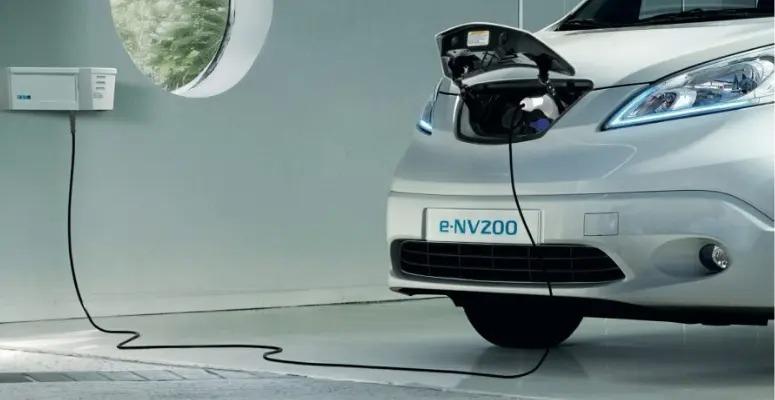
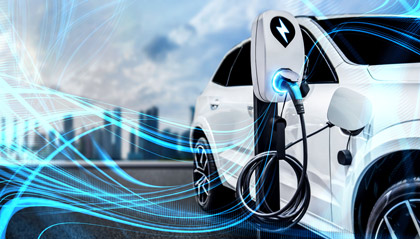
Level 1 and Level 2 chargers cater to residential or slow-charging needs, while DC fast chargers deliver power directly to the battery at significantly higher rates. Fast-charging stations utilize advanced algorithms to optimize current delivery without overheating cells, preventing degradation while minimizing charge time.
Wireless charging is emerging as the next leap forward. Using magnetic resonance, vehicles can replenish energy without physical connectors. This innovation not only enhances convenience but also paves the way for automated charging networks where vehicles charge autonomously in designated zones.
The integration of renewable sources like solar and wind further enhances sustainability, transforming the global energy landscape into one that complements electric mobility seamlessly.
Battery Chemistry: The Pursuit of Perfection
The evolution of electric vehicles is closely tied to the chemistry of their batteries. From early lead-acid models to the dominance of lithium-ion, each step represents a leap in energy density, efficiency, and safety.
Modern research focuses on solid-state batteries, which replace flammable liquid electrolytes with stable solid materials. This innovation promises faster charging, higher capacity, and enhanced safety. Sodium-ion technology also shows potential, offering abundant resources and cost-effectiveness without sacrificing performance.
Recycling and second-life applications are equally critical. Used EV batteries can serve as stationary energy storage units for homes and businesses, extending their usefulness and reducing environmental impact.
The continual refinement of electrochemical systems underscores the interplay between theoretical science and real-world engineering, bringing the dream of limitless clean mobility closer to reality.
Lightweight Materials: Strength Without Weight
Reducing vehicle weight is essential for improving range and efficiency. Engineers use advanced materials like aluminum alloys, carbon fiber composites, and high-tensile steels to achieve structural strength without unnecessary mass.
Carbon fiber, in particular, offers unmatched rigidity-to-weight ratios, making it ideal for high-performance EVs. Aluminum serves as a lightweight yet durable base for battery housings and body panels.
Recent innovations include bio-composites made from natural fibers and recycled materials, demonstrating that sustainability and strength can coexist. Each material choice reflects a delicate balance between performance, safety, and environmental stewardship.
Aerodynamics and Design Efficiency
The design of an electric vehicle is not solely aesthetic; it is a function of physics. Every contour, curve, and angle serves to reduce drag and optimize airflow.
Engineers employ computational fluid dynamics (CFD) to simulate air movement around the vehicle body, refining shapes to minimize resistance. Active aerodynamic features, such as retractable spoilers and adaptive grille shutters, adjust dynamically based on speed and environmental conditions.
These design enhancements translate directly into increased range and stability. Smooth underbodies, closed wheel arches, and integrated diffusers all contribute to the quiet efficiency that defines the modern electric driving experience.
Smart Energy Management
Energy efficiency in EVs depends as much on software as it does on hardware. Intelligent energy management systems oversee the distribution of power between propulsion, climate control, and auxiliary systems.
Artificial intelligence algorithms learn driver behavior, terrain patterns, and traffic conditions to optimize energy use. Predictive systems can anticipate charging needs and adjust battery usage to ensure maximum range under any condition.
Connectivity also allows vehicles to communicate with charging stations and power grids, scheduling charging sessions during low-demand periods to reduce strain on infrastructure and take advantage of lower electricity costs.
This symbiosis between machine learning and energy systems exemplifies how digital intelligence elevates traditional engineering into an interconnected ecosystem.
Environmental Science and Sustainability
The environmental benefits of electric vehicles extend beyond zero tailpipe emissions. Life-cycle assessments (LCAs) consider the full environmental impact, from material extraction to end-of-life recycling.
Manufacturers now source materials from ethically managed mines and employ green manufacturing techniques powered by renewable energy. Battery recycling facilities recover valuable metals like lithium, cobalt, and nickel, reducing dependence on raw extraction.
Research into alternative materials, such as silicon-based anodes or sulfur cathodes, seeks to eliminate reliance on scarce resources altogether. The goal is a closed-loop ecosystem where production, use, and recycling coexist harmoniously.
This holistic approach underscores the broader purpose of electric mobility not merely to move people, but to protect the planet that sustains them.
The Role of Artificial Intelligence in Vehicle Performance
Artificial intelligence plays a transformative role in electric vehicle development. It enhances safety, optimizes energy efficiency, and personalizes the driving experience.
Machine learning models analyze sensor data in real time, predicting component wear and adjusting system parameters to maintain peak performance. Predictive maintenance reduces downtime and ensures longevity.
AI also governs autonomous driving capabilities, processing data from cameras, radar, and lidar to interpret surroundings and make instantaneous decisions. This level of computational sophistication would be impossible without modern data science advancements.
Over time, these systems evolve through continuous learning, adapting to driver preferences and external conditions alike. In doing so, they redefine the relationship between human and machine.
Charging Network Integration and Grid Innovation
The widespread adoption of electric vehicles has driven advancements in power grid management. Smart grids integrate renewable energy sources with EV charging infrastructure, balancing supply and demand dynamically.
Vehicle-to-grid (V2G) technology allows parked electric vehicles to return stored electricity to the grid during peak demand periods. This two-way interaction transforms cars into mobile energy storage units, stabilizing local power systems and supporting renewable integration.
Energy companies are investing in intelligent distribution networks capable of predicting consumption trends and adjusting flow in real time. This digital transformation is turning transportation into a crucial component of the global energy ecosystem.
The Physics of Motion and Efficiency
The transition from chemical to kinetic energy in electric vehicles is a masterpiece of applied physics. Friction, drag, and rolling resistance are minimized through meticulous design and material choice.
Torque vectoring, enabled by independent motor control on each wheel, distributes power precisely where needed. This not only enhances performance but also improves safety by maintaining optimal traction.
Advanced suspension systems use electronically controlled dampers to adapt to road conditions, blending comfort with agility. The result is a driving experience that feels both intuitive and exhilarating a balance of power and precision dictated by scientific mastery.
Future Frontiers: Quantum Batteries and Beyond
Looking ahead, scientists envision revolutionary concepts such as quantum batteries, capable of charging almost instantaneously by harnessing quantum entanglement. While still theoretical, this research could redefine how energy is stored and delivered.
Other frontiers include bio-inspired nanomaterials, wireless energy highways, and carbon-negative vehicle manufacturing. These innovations may soon transform electric mobility from a sustainable option into the definitive standard of human transportation.
The fusion of biology, physics, and digital intelligence will continue to shape the next generation of electric vehicles, where energy and matter interact with unprecedented efficiency.
Global Collaboration in Electric Research
The progress of electric vehicle science is a collaborative global effort. Governments, universities, and private enterprises share research, data, and technology to accelerate innovation.
International partnerships focus on standardizing charging systems, developing sustainable supply chains, and advancing material recycling. This cooperation ensures that progress benefits humanity as a whole rather than isolated regions.
Open-source platforms and shared patents encourage creativity while preventing monopolization. Together, these efforts embody the collective spirit driving technological evolution forward.
About the Author