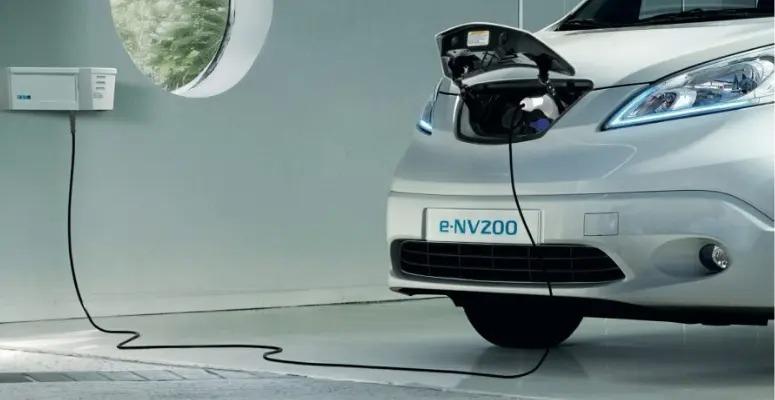
In recent years, the conversation surrounding sustainability has grown louder, and at the center of it all stands eco friendly transport. Electric vehicles have been hailed as the shining champions of clean mobility, offering a way to reduce carbon emissions and break free from the chokehold of fossil fuels. They glide silently down city streets, emitting no visible smoke, and promise a future where transportation and environmental stewardship coexist harmoniously. Yet beneath this sleek exterior lies a complex story filled with both triumphs and challenges. Are electric vehicles truly as green as they appear, or is the reality more complicated than the narrative suggests?
The Appeal of Clean Mobility
The appeal of electric vehicles begins with their zero tailpipe emissions. Unlike conventional cars powered by gasoline or diesel, EVs produce no direct exhaust gases. This immediately translates into cleaner air, especially in urban areas where traffic congestion contributes heavily to pollution.
When viewed from this angle, electric vehicles seem like a dream come true for city planners and environmental advocates. They cut down on nitrogen oxides, particulate matter, and carbon dioxide, all of which are harmful to both humans and the planet. For residents of smog-filled metropolises, even a modest reduction in pollution can mean clearer skies, healthier lungs, and quieter streets.
However, to assess the full environmental impact of electric cars, it’s essential to look beyond what comes out of the tailpipe. The real story involves examining every stage of an EV’s life cycle, from raw material extraction and manufacturing to energy consumption and end-of-life disposal.
The Energy Behind the Battery
At the heart of every electric vehicle lies its battery. This powerful energy storage unit, typically made from lithium-ion cells, enables clean propulsion but also carries significant environmental baggage. Mining the raw materials required for these batterieslithium, cobalt, and nickeldemands intensive resource extraction.
These mining processes can cause soil degradation, water contamination, and loss of biodiversity. In certain regions, cobalt mining has also raised concerns over human rights and labor practices. As demand for EVs surges, so too does the need for these materials, leading to growing scrutiny of supply chains.
Yet progress is being made. Researchers and manufacturers are exploring alternative battery chemistries that reduce reliance on scarce or harmful materials. For example, lithium iron phosphate (LFP) batteries, which contain no cobalt or nickel, offer a safer and more sustainable option. Additionally, recycling initiatives aim to recover valuable materials from used batteries, creating a circular economy that minimizes waste.
While the environmental cost of battery production remains high today, ongoing innovation promises to make the process far more sustainable in the coming decades.
Manufacturing Emissions: A Hidden Challenge
One surprising fact about electric vehicles is that producing them often generates more emissions than manufacturing conventional cars. This discrepancy is largely due to the energy-intensive process of battery production.
Factories that assemble EV batteries require significant electricity, and the carbon footprint of that energy depends on its source. If the electricity comes from coal or other fossil fuels, the environmental gains from driving an EV may initially be offset by the pollution generated during production.
However, the situation improves dramatically once the car hits the road. Over time, the absence of tailpipe emissions allows the EV to “pay back” its initial environmental debt. Studies show that in regions with cleaner energy grids, electric vehicles outperform gasoline cars within just a few years of use in terms of total carbon emissions.
This emphasizes the importance of transitioning to renewable energy sources globally. As grids become greener, the full environmental advantage of electric vehicles becomes undeniable.
The Role of Electricity Sources
The eco-friendliness of an electric vehicle depends heavily on how the electricity used to charge it is generated. If an EV is charged using power from coal plants, its carbon footprint can approach that of a conventional car. Conversely, if the electricity comes from solar, wind, or hydroelectric sources, the impact is dramatically lower.
Countries investing heavily in renewable infrastructure see the greatest benefits from widespread EV adoption. Norway, for instance, generates most of its electricity from hydropower, making electric vehicles genuinely clean throughout their life cycle. In contrast, regions still dependent on fossil fuels face challenges in realizing the same level of sustainability.
The shift toward green energy is therefore inseparable from the rise of electric mobility. In the long term, electrification of transportation and decarbonization of power generation must progress hand in hand to achieve true environmental harmony.
Battery Longevity and Recycling
One of the most significant questions surrounding electric vehicles concerns the lifespan and disposal of their batteries. Fortunately, modern EV batteries are designed to last far longer than many initially feared.
Most manufacturers offer warranties covering eight to ten years or more, and real-world data shows that many batteries retain over 80 percent of their capacity even after a decade of use. This longevity reduces waste and maximizes environmental efficiency.
When a battery eventually reaches the end of its automotive life, it doesn’t necessarily become useless. Many can be repurposed for stationary energy storage, helping to stabilize power grids or store renewable energy. Eventually, advanced recycling processes recover metals and other components for reuse in new batteries.
These innovations close the loop, reducing the need for new raw materials and cutting down on pollution from mining and manufacturing. A fully developed recycling infrastructure will be critical to ensuring electric vehicles maintain their eco-friendly reputation in the future.
Maintenance and Resource Efficiency
Another advantage of electric vehicles lies in their simplicity. Without complex combustion engines, transmissions, or exhaust systems, they require fewer parts and less maintenance.
This streamlined design leads to lower material consumption and fewer mechanical failures over time. Electric motors operate efficiently with minimal lubrication, and regenerative braking systems reduce wear on brake pads. The result is not only cost savings for owners but also reduced demand for replacement parts and industrial manufacturing.
Every component saved represents a small but meaningful reduction in environmental impact. Over the lifespan of an electric vehicle, these incremental savings add up, further enhancing its ecological credentials.
Noise and Air Quality Benefits
Electric vehicles contribute not just to lower emissions but also to improved quality of life in urban areas. Their quiet operation reduces noise pollution, creating more peaceful neighborhoods and calmer traffic environments.
Moreover, by eliminating tailpipe emissions, EVs help cut down on harmful pollutants such as carbon monoxide and nitrogen dioxide. These substances contribute to smog formation and respiratory diseases, particularly in densely populated cities.
Cleaner air and quieter streets represent tangible, everyday benefits that extend far beyond carbon accounting. They enhance public health, comfort, and the overall livability of citiesoutcomes that align perfectly with the vision of sustainable urban development.
The Problem of Tire and Brake Emissions
While EVs eliminate tailpipe emissions, they still produce some pollutants through tire wear and braking. In fact, due to their heavier weightcaused by large battery packselectric vehicles can generate slightly more particulate matter from tires than lighter gasoline cars.
However, regenerative braking systems offset some of this effect by reducing friction and wear on traditional brake pads. Additionally, tire manufacturers are developing eco-optimized materials designed to minimize microplastic pollution and increase durability.
These advancements highlight that achieving sustainability is a process of continual improvement rather than a single leap forward. Even as EVs solve one problem, the industry remains vigilant about addressing new challenges that arise.
The Global Supply Chain Factor
A truly holistic view of electric vehicle sustainability must account for the global supply chain. Manufacturing involves international networks of mining, processing, and transportationall of which contribute to emissions.
The journey of raw materials from mines in South America or Africa to battery factories in Asia and assembly plants in Europe or North America involves significant logistics. Each step requires fuel and infrastructure, which add to the environmental cost.
To mitigate this, many companies are localizing production, shortening supply chains, and adopting renewable energy at manufacturing sites. Governments are also introducing policies to ensure ethical sourcing and carbon accountability across the entire value chain.
The goal is to build a transparent, low-impact production ecosystem that supports the long-term promise of clean transportation.
Renewable Integration: A Perfect Partnership
Electric vehicles and renewable energy form a natural alliance. Together, they create a self-reinforcing cycle of sustainability.
When EV owners charge their cars using solar panels or wind energy, the environmental benefits multiply. Some advanced systems even allow vehicles to feed electricity back into the grid during peak demand, stabilizing supply and enhancing energy efficiency.
This vehicle-to-grid (V2G) technology transforms electric cars into active components of the energy ecosystem rather than passive consumers. In this way, EVs become not just transportation tools but participants in a broader movement toward energy independence and environmental stewardship.
The Economic and Environmental Trade-Off
Critics often point out that electric vehicles are not entirely emissions-free, and they are correct. The goal, however, is not perfection but significant improvement. Every step toward electrification reduces overall greenhouse gas output and dependency on finite resources.
Comparing total life-cycle emissions reveals that even when charged using mixed energy grids, electric vehicles still produce substantially fewer emissions over their lifetime than traditional cars. As renewable energy use increases, the gap widens even further.
This balance of progress over perfection is vital. The pursuit of completely impact-free technology should not delay adoption of systems that already deliver substantial benefits.
Policy Support and Global Cooperation
The road to cleaner transportation requires coordinated effort across governments, industries, and consumers. Policymakers play a pivotal role in incentivizing sustainable practices through subsidies, tax credits, and infrastructure investment.
Nations that prioritize renewable energy and EV adoption simultaneously see the greatest environmental dividends. Building extensive charging networks, supporting battery recycling initiatives, and enforcing ethical mining standards form the backbone of a genuinely green transportation system.
International collaboration is also crucial. Since the supply chain for electric vehicles spans continents, global standards for sustainability, transparency, and worker safety ensure that the benefits of electrification are not achieved at the expense of vulnerable communities.
Cultural Shifts and Consumer Awareness
Beyond technology and policy, sustainability depends on mindset. As society grows more conscious of its environmental footprint, consumer behavior evolves. People are increasingly willing to make purchasing decisions based on ecological values, choosing vehicles that align with their principles.
This cultural shift accelerates progress. When consumers demand cleaner products, companies respond with innovation. The result is a feedback loop that continually drives improvement in design, efficiency, and affordability.
Educating the public about the true benefits and limitations of electric mobility is essential. When individuals understand how their choices contribute to global sustainability, the collective impact can be transformative.
Future Innovations on the Horizon
The journey toward genuinely sustainable transportation is still unfolding. Emerging technologies promise to push electric vehicles even closer to environmental perfection.
Solid-state batteries, for example, could revolutionize energy storage by offering higher capacity, faster charging, and safer operation with less reliance on scarce minerals. Hydrogen fuel cells, though distinct from traditional EVs, offer another pathway toward emission-free driving.
Lightweight materials, advanced aerodynamics, and AI-powered energy management systems are also improving efficiency. As innovation accelerates, the line between aspiration and achievement continues to blur.
The Real Measure of Eco-Friendliness
Determining whether electric vehicles are truly eco-friendly requires nuance. They are not flawless, but they represent a monumental leap forward compared to the technologies they replace.
The environmental advantages of EVs grow stronger over time as energy grids decarbonize, manufacturing becomes greener, and recycling systems mature. Their capacity to integrate with renewable energy and reduce urban pollution positions them as essential pillars of a sustainable future.
Rather than asking whether electric vehicles are perfectly green, the better question is how quickly they can become greener still. Every innovation, every policy, and every informed purchase moves society closer to that ideal.
A Path Toward Genuine Sustainability
Ultimately, eco friendly transport is not a static concept but an evolving pursuit. Electric vehicles have already reshaped the way humanity thinks about mobility, proving that convenience and conscience can coexist.
They are not a flawless solution, but they are a profoundly positive step. With continued commitment to renewable energy, ethical sourcing, and technological innovation, the dream of truly sustainable transportation is well within reach.
The question is no longer whether electric vehicles can change the worldthey already are. The challenge now lies in ensuring that the world keeps pace with their potential, embracing a cleaner, quieter, and more responsible way to move through life.
About the Author