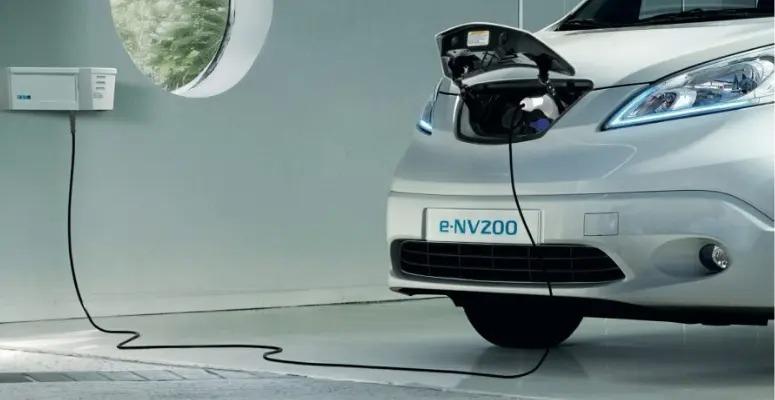
In a world reshaped by innovation, climate awareness, and shifting social priorities, electric vehicles have emerged as more than a fleeting trend. They are symbols of progress, of human ingenuity at the intersection of energy and motion. The electric future vision is not just a dream on paper; it is unfolding on highways, in cities, and across global markets. The quiet hum of electric motors now echoes as the anthem of modern mobility, one that blends sustainability with sophistication and speed with conscience.
A Revolution in Motion
The transition from internal combustion engines to electric propulsion represents one of the most profound shifts in transportation history. Where once gasoline reigned supreme, electrons now power a new era of clean, efficient movement. This revolution is not simply mechanical it’s ideological. It redefines how society views progress, power, and responsibility.
Electric vehicles, or EVs, are not just alternatives; they are statements. They embody a commitment to reducing emissions, conserving resources, and fostering innovation. Every major automaker has joined this transformation, channeling billions of dollars into electrification. Governments have set ambitious targets, phasing out fossil-fueled cars in favor of electric mobility within the coming decades.
The momentum feels unstoppable. Yet beneath the optimism lies an intricate web of challenges, opportunities, and evolving realities that will determine whether electric vehicles truly are the future.
Powering a Cleaner World
Perhaps the most compelling argument for electric mobility lies in its environmental impact. Transportation has long been one of the largest contributors to greenhouse gas emissions. Replacing internal combustion engines with electric alternatives drastically cuts tailpipe emissions, improving air quality and reducing urban smog.
But the benefits extend far beyond the absence of exhaust fumes. Electric motors are inherently more efficient than combustion engines, converting over 85 percent of energy into movement compared to roughly 30 percent in traditional cars. This efficiency translates to less waste and more effective use of resources.
When paired with renewable energy sources like solar and wind, electric vehicles can achieve near-zero emissions across their entire operational lifespan. The synergy between clean energy generation and clean transportation is the key to sustainable progress. It’s a holistic approach, one that transforms mobility from an environmental burden into a solution.
Innovation at the Core
Electric vehicles are technological marvels. From advanced battery systems to intelligent software integrations, they are redefining what it means to drive. Innovations in lithium-ion and solid-state batteries have significantly improved energy density, charging speed, and longevity. The modern EV is no longer a compromise it’s a powerhouse of performance, design, and intelligence.
Artificial intelligence and data analytics play critical roles in enhancing the driving experience. Predictive maintenance systems monitor every component, while adaptive cruise control, automated lane assistance, and regenerative braking optimize safety and efficiency. Over-the-air software updates ensure that vehicles continue to improve long after they’ve left the factory floor.
Beyond functionality, design has evolved as well. With fewer mechanical constraints, electric vehicles offer designers unparalleled freedom. Interiors are spacious, minimalist, and often sustainable crafted with recycled materials and innovative textiles. Form now follows both function and philosophy.
Economic Shifts and Market Forces
As electric vehicles become mainstream, their economic implications ripple through industries and economies. The cost of battery production has plummeted over the past decade, making EVs increasingly affordable. Economies of scale, coupled with advances in manufacturing, are bringing electric cars within reach of the average consumer.
At the same time, maintenance and fuel costs are dramatically lower than those of combustion vehicles. With fewer moving parts and no oil changes, electric cars save drivers both time and money. Electricity, especially when sourced from home solar installations, offers consistent and predictable pricing compared to volatile gasoline markets.
However, the transformation also challenges traditional sectors. Oil demand will decline, affecting global trade dynamics and geopolitical relationships. Auto repair industries will need to adapt to new skill requirements, focusing on electronics and software rather than mechanical systems. Nations rich in battery minerals, such as lithium and cobalt, are becoming central players in the new energy economy.
The shift is not without friction, but its trajectory is clear. The balance of economic power is gradually tilting toward clean energy and electrified transport.
Infrastructure: The Backbone of the Electric Era
No technological revolution can thrive without infrastructure. For electric mobility, this means a robust, accessible, and reliable charging network. The global expansion of charging stations has become a defining feature of the modern landscape.
Fast-charging technologies now enable drivers to recharge their vehicles in minutes rather than hours. Highways, parking lots, shopping centers, and even residential complexes are being equipped with charging ports. Governments and private enterprises are investing heavily in grid upgrades to handle increased electricity demand.
The future may also belong to wireless charging and vehicle-to-grid systems. Imagine driving home and having your car automatically share surplus energy with your household or local grid. These innovations turn electric vehicles into mobile energy hubs, capable of stabilizing grids and storing renewable energy during off-peak hours.
Infrastructure is more than convenience it’s empowerment. It ensures that the promise of electrification is not confined to urban centers but extends to rural areas and developing regions as well.
Challenges on the Road Ahead
Despite their promise, electric vehicles face significant hurdles before achieving universal adoption. One of the most debated issues is the environmental footprint of battery production. Mining raw materials such as lithium, cobalt, and nickel raises ethical and ecological concerns. These challenges demand stricter environmental standards, better recycling systems, and transparent supply chains.
Battery recycling, however, is advancing rapidly. New technologies allow for the recovery of up to 95 percent of key materials, reducing waste and dependency on new mining operations. Companies are developing “closed-loop” systems where old batteries are reborn into new ones.
Another challenge is the uneven distribution of charging infrastructure. In some regions, access remains limited, discouraging potential buyers. Range anxiety, though diminishing, still influences consumer confidence. Education, incentives, and visibility will be key in overcoming these barriers.
Affordability remains another frontier. While electric vehicle prices continue to drop, they can still exceed those of gasoline models upfront. Incentives, tax credits, and the long-term savings from reduced operating costs help bridge the gap but broader accessibility must remain a global priority.
The Human Connection
Electric vehicles are reshaping not only industries but also relationships between people and technology, between consumers and corporations, and between humanity and the planet. Driving an EV often becomes an experience of mindfulness. The silence, the smooth acceleration, the absence of vibration all contribute to a new form of engagement with movement.
This quiet power transforms not only how we drive but also how we perceive driving itself. It invites reflection on the purpose of mobility: to connect, to explore, to progress. Electric vehicles make that journey more harmonious, aligning personal pleasure with global well-being.
Communities are also evolving. Shared charging spaces foster conversations, collaboration, and community engagement. Electric car clubs, online forums, and green mobility initiatives bring people together around a common cause building a sustainable world, one journey at a time.
A Global Perspective
Around the world, nations are racing to embrace electrification. Norway, a pioneer in EV adoption, has set an example with electric vehicles accounting for over 80 percent of new car sales. China, the largest auto market globally, is investing heavily in battery manufacturing and charging infrastructure. The European Union is setting strict emission targets, pushing automakers toward all-electric lineups.
Even in regions with developing economies, the movement is taking shape. Affordable electric scooters, buses, and compact cars are transforming urban mobility in India, Indonesia, and Africa. The future of electric mobility is not confined to luxury or exclusivity it is inclusive, adaptive, and scalable.
This global collaboration underscores a shared recognition: the era of fossil-fueled dominance is waning. Electric mobility is not just a Western experiment but a worldwide transformation.
The Role of Renewable Energy
For electric vehicles to fulfill their promise, they must be powered sustainably. Charging an EV with coal-generated electricity undermines its environmental benefits. Fortunately, the renewable revolution is advancing in parallel with electrification.
Solar and wind energy are becoming dominant sources in national grids. As their share grows, the carbon footprint of electric transportation shrinks correspondingly. Many EV owners now install rooftop solar panels, creating personal ecosystems of clean energy generation and consumption.
Moreover, vehicle-to-grid integration will allow EVs to support renewable energy systems. They can absorb excess energy when the sun shines or the wind blows and return it to the grid when demand peaks. This symbiotic relationship between vehicles and renewables represents the next frontier in sustainable innovation.
Driving Toward Autonomy
Electric mobility is intertwined with automation. Self-driving technology and electrification are advancing hand in hand, sharing sensors, processors, and artificial intelligence systems. Electric powertrains provide the ideal platform for autonomous vehicles due to their digital architecture and precision control.
As autonomy progresses, traffic efficiency and safety will improve dramatically. Vehicles will communicate with one another and with infrastructure, reducing congestion and preventing accidents. The fusion of autonomy and electrification will redefine not only driving but also urban planning. Parking spaces will shrink, traffic flows will smoothen, and cities will reclaim areas once dominated by combustion-era infrastructure.
The Cultural Shift
Cultural transformation is often the slowest yet most profound element of change. Electric vehicles are shifting societal perceptions of what it means to drive, own, and even aspire. The roar of engines once symbolized freedom and power. Today, silence and efficiency represent sophistication and awareness.
Younger generations, raised in an era of climate consciousness, are driving this cultural realignment. They value sustainability, connectivity, and innovation over mere horsepower. For them, an electric vehicle is not just transportation it’s a lifestyle statement, a manifestation of values.
Brands have responded by weaving sustainability narratives into their identities. Luxury automakers emphasize craftsmanship with conscience, while mainstream manufacturers focus on accessibility and practicality. The electric age is not just an industrial revolution; it’s a cultural renaissance.
Beyond Cars: The Expanding Ecosystem
The electric revolution extends beyond passenger vehicles. Public transportation, shipping, and aviation are all undergoing electrification. Electric buses now transport millions daily in major cities. Short-haul aircraft powered by batteries are entering testing phases. Maritime vessels are adopting hybrid and fully electric propulsion systems.
This diversification amplifies the overall impact. As industries electrify collectively, the cumulative reduction in global emissions accelerates. The ecosystem becomes self-reinforcing, with technological breakthroughs in one sector benefiting others.
Electric mobility is not limited to replacing gasoline it’s about reimagining energy and movement on a planetary scale.
The Road to Tomorrow
So, are electric vehicles truly the future? The evidence suggests that they are not only the future but the inevitable one. Technological progress, economic viability, and environmental necessity have converged to make electrification the most logical path forward.
However, the journey is not without challenges. Equity, infrastructure, and sustainability must advance in harmony. Governments, corporations, and consumers each play a vital role in shaping this transition responsibly.
The electric era will not arrive with a single spark but through countless individual choices, investments, and innovations. It is a story still being written one of perseverance, collaboration, and vision.
About the Author