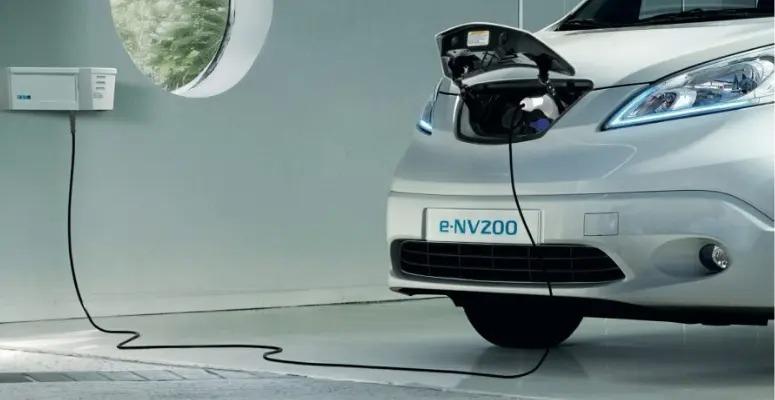
The emergence of industry electric vehicles is transforming the global automotive landscape at an unprecedented pace. Traditional manufacturers and new entrants alike are embracing electrification, redefining performance standards, and reshaping consumer expectations. Electric vehicles (EVs) are not merely an alternative to internal combustion engines; they represent a technological and cultural shift that challenges long-standing paradigms in design, manufacturing, and mobility.
The Evolution of the Auto Industry
For over a century, the auto industry has been dominated by gasoline and diesel engines, with incremental improvements in fuel efficiency and safety. However, mounting environmental concerns, stricter emissions regulations, and changing consumer preferences have catalyzed a shift toward sustainable alternatives. Electric vehicles now occupy a central role in this transformation, driving innovation across design, powertrains, and digital integration.
This evolution is not limited to passenger cars. Commercial fleets, public transportation systems, and logistics operations are increasingly adopting EV solutions, creating a ripple effect that influences supply chains, manufacturing practices, and urban planning. The auto industry is no longer just about vehicles; it is about energy, software, and connected mobility ecosystems.
Shaping Consumer Expectations
Electric vehicles redefine what drivers expect from a car. Instant torque, quiet operation, and regenerative braking provide a driving experience fundamentally different from traditional engines. Consumers now prioritize sustainability, efficiency, and connectivity alongside performance.
Automakers are responding with models that offer longer ranges, faster charging, and advanced driver-assistance systems. EVs are shifting the perception of vehicles from mechanical machines to intelligent, software-driven platforms, setting new standards for personalization, convenience, and user experience.
Technological Innovation in Powertrains
Central to the rise of industry electric vehicles is the development of advanced powertrain technologies. Electric motors are simpler than combustion engines, offering fewer moving parts and lower maintenance costs. However, battery technology is the linchpin of performance, range, and cost-effectiveness.
Innovations in lithium-ion chemistry, solid-state batteries, and thermal management systems have dramatically improved energy density, safety, and longevity. Fast-charging infrastructure and modular battery packs further enhance practicality, making EVs competitive with traditional vehicles in a broad range of applications.
Redefining Manufacturing Processes
The shift toward electric mobility requires substantial changes in manufacturing. Traditional assembly lines optimized for internal combustion engines are being retooled for battery packs, electric drivetrains, and integrated electronic systems.
Automation, robotics, and AI-driven quality control play pivotal roles in producing EVs at scale. Manufacturers are also emphasizing sustainability in production, incorporating recycled materials, reducing water consumption, and minimizing carbon emissions throughout the supply chain. These practices reflect a broader commitment to environmental responsibility alongside technological advancement.
Supply Chain Transformation
The rise of industry electric vehicles is reshaping global supply chains. Critical materials such as lithium, cobalt, and nickel are essential for battery production, creating new sourcing strategies and geopolitical considerations.
Manufacturers are investing in vertical integration, recycling programs, and alternative chemistries to mitigate resource constraints and reduce environmental impact. These shifts not only affect raw material suppliers but also influence logistics, warehousing, and international trade patterns, underscoring the systemic impact of EV adoption on the auto industry.
Market Competition and New Entrants
Electric vehicles have lowered barriers to entry for startups and technology firms. Companies without legacy combustion engine infrastructure can innovate rapidly, focusing on software, battery technology, and connected mobility solutions.
This competitive landscape forces established automakers to accelerate innovation, improve efficiency, and differentiate their products. Partnerships between tech companies and traditional manufacturers are common, blending expertise in AI, connectivity, and battery technology to produce vehicles that are not only electric but also intelligent.
Environmental and Regulatory Impacts
Government regulations are a major driver of the shift toward industry electric vehicles. Incentives such as tax credits, rebates, and emissions mandates encourage both consumers and manufacturers to adopt EVs.
Environmental considerations are central to policy frameworks, as cities and countries aim to reduce air pollution and meet climate goals. EV adoption aligns with broader sustainability objectives, reinforcing the role of the auto industry in global environmental stewardship.
Urban Mobility and Infrastructure
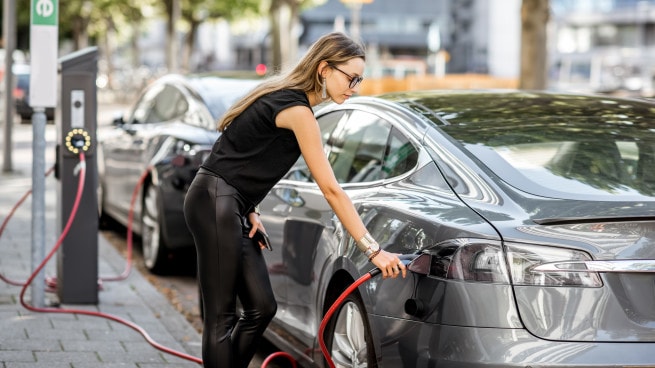
Electric vehicles are reshaping urban mobility. Integration with smart grids, public transportation, and charging networks enables more efficient, low-emission transportation systems. Urban planners are incorporating EV considerations into city design, including charging infrastructure, parking solutions, and traffic management.
This integration transforms the auto industry’s role from purely vehicle production to a broader mobility service provider, offering electric fleets, ride-sharing, and connectivity solutions that enhance urban living while reducing environmental impact.
Consumer Education and Adoption Challenges
Despite rapid growth, challenges remain in achieving mass adoption of EVs. Range anxiety, charging infrastructure availability, and upfront costs can deter potential buyers. Consumer education is crucial in addressing misconceptions and highlighting long-term benefits, including lower maintenance, reduced fuel costs, and environmental impact.
Automakers and policymakers are collaborating to expand charging networks, streamline financing, and implement public awareness campaigns. As knowledge and infrastructure improve, EV adoption accelerates, further solidifying the industry’s transformation.
Future Outlook for the Auto Industry
The future of the auto industry is inseparable from the success of electric mobility. Autonomous driving, vehicle-to-grid integration, and smart city connectivity are emerging trends that complement EV adoption. Manufacturers are increasingly focusing on software, AI, and energy solutions alongside traditional vehicle engineering.
As battery technology continues to advance, costs decrease, and infrastructure expands, industry electric vehicles will dominate global markets. This transformation will not only redefine how cars are made and driven but also how societies conceptualize transportation, energy consumption, and urban living.
Economic Implications
The shift toward electric vehicles has profound economic implications. New job opportunities arise in battery manufacturing, software development, charging infrastructure, and renewable energy integration. Traditional automotive jobs may be redefined, requiring upskilling and adaptation to new technologies.
Investment in EV production stimulates related industries, from mining and materials processing to energy and logistics. Countries that lead in EV innovation and manufacturing gain competitive advantages in global markets, driving economic growth while addressing environmental imperatives.
Integration with Renewable Energy
The effectiveness of electric vehicles is amplified when combined with renewable energy sources. Charging stations powered by solar, wind, or hydropower reduce carbon intensity and enhance grid resilience. Vehicle-to-grid technologies allow EVs to store excess renewable energy and feed it back to the grid, creating a synergistic relationship between transportation and energy infrastructure.
This integration ensures that the auto industry contributes not only to mobility solutions but also to broader climate change mitigation efforts, highlighting the interconnectedness of energy, technology, and transportation.
About the Author