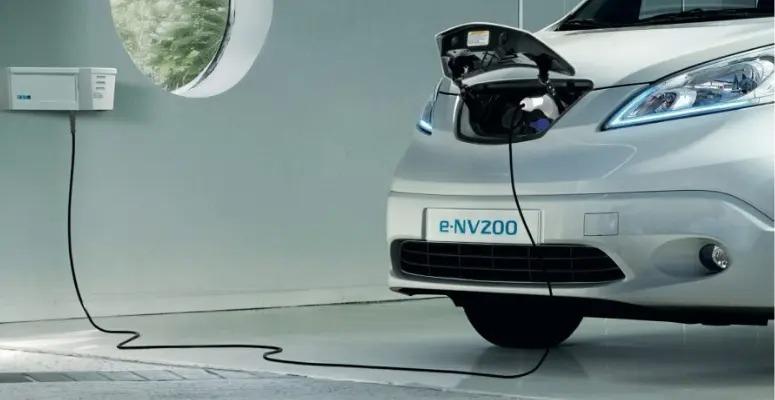
The automotive industry is undergoing a profound transformation, and at the heart of this evolution are mobility electric vehicles. These vehicles are no longer niche products for environmentally conscious early adopters; they represent a paradigm shift in how people move, how cities are designed, and how energy systems function. Combining advanced propulsion technologies, intelligent systems, and sustainable energy sources, electric vehicles (EVs) are redefining what it means to travel efficiently, cleanly, and safely.
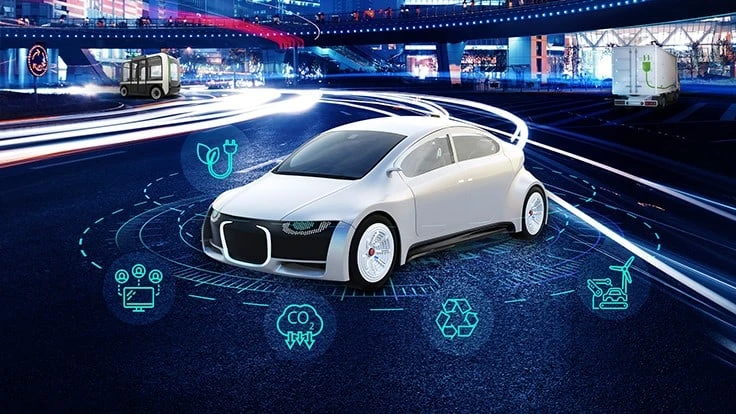
The Rise of Electric Vehicles
Electric vehicles have surged in popularity over the past decade due to technological advancements, regulatory pressures, and changing consumer attitudes. The earliest iterations of EVs were limited by short ranges and slow charging capabilities, but breakthroughs in battery chemistry and energy management have overcome many of these constraints. Modern EVs now offer ranges that rival or even exceed traditional internal combustion engine vehicles, while charging infrastructure continues to expand rapidly in both urban and rural areas.
Beyond hardware improvements, software innovations have made EVs smarter, more connected, and more adaptable to real-world driving conditions. Intelligent energy management systems, regenerative braking, and predictive navigation all contribute to a seamless driving experience that combines efficiency with convenience.
Impact on Urban Mobility
The integration of electric vehicles into urban mobility networks is reshaping the fabric of cities. Reduced noise pollution, cleaner air, and lower greenhouse gas emissions are immediate benefits for densely populated areas. In addition, EVs are often paired with shared mobility solutions, such as car-sharing platforms and autonomous ride-hailing services, creating a more flexible and sustainable transportation ecosystem.
Smart city initiatives increasingly leverage EVs as mobile sensors and energy storage units. These vehicles can collect data on traffic flow, environmental conditions, and energy consumption, feeding back into centralized systems that optimize urban planning. Furthermore, electric buses and commercial EV fleets reduce the carbon footprint of public transportation, offering commuters cleaner and quieter alternatives to traditional diesel-powered options.
Environmental and Energy Benefits
The environmental advantages of EVs extend beyond the absence of tailpipe emissions. When charged using renewable energy sources like solar, wind, or hydroelectric power, electric vehicles significantly lower the overall carbon intensity of transportation. Life cycle analyses have shown that even accounting for battery production, EVs typically produce fewer greenhouse gases over their operational lifespan than conventional vehicles.
Energy efficiency is another major benefit. Electric motors convert more than 85 percent of the energy stored in batteries into usable motion, compared to only about 25 to 30 percent for internal combustion engines. This high efficiency translates into reduced energy consumption per mile traveled and contributes to the broader goal of decarbonizing mobility.
Integration with Smart Charging Systems
Smart charging systems are an essential complement to electric vehicles. By communicating with the grid and the vehicle, these systems can optimize charging schedules, reduce electricity costs, and increase the use of renewable energy. Demand response strategies allow EVs to charge during periods of low grid demand or high renewable generation, while vehicle-to-grid technology enables bidirectional energy flow, turning EVs into temporary energy storage units.
This integration is crucial for scaling EV adoption without overloading power networks. Utilities, municipalities, and private operators can coordinate energy distribution, ensuring that the growing fleet of electric vehicles enhances grid stability rather than creating additional strain.
Economic Implications
The shift toward electric mobility has significant economic consequences for consumers, businesses, and governments. For drivers, lower fuel costs and reduced maintenance requirements make EV ownership increasingly cost-competitive with traditional vehicles. Electric motors have fewer moving parts, reducing the likelihood of mechanical failure and extending the operational lifespan of the vehicle.
For businesses, electrification opens new avenues for innovation. Automotive manufacturers are investing in advanced battery technologies, connected vehicle platforms, and shared mobility services. Logistics and delivery companies benefit from electric fleets through lower operational costs and compliance with increasingly stringent emissions regulations. Governments also see economic advantages through job creation in EV manufacturing, charging infrastructure development, and renewable energy integration.
Technological Innovations Driving EVs
Electric vehicles are at the forefront of technological innovation. Battery technology has advanced rapidly, with lithium-ion and emerging solid-state batteries offering higher energy densities, faster charging, and longer lifespans. Power electronics, thermal management systems, and lightweight materials enhance efficiency and performance, while software-driven features such as over-the-air updates, autonomous driving capabilities, and advanced driver-assistance systems elevate the user experience.
Autonomous and connected EVs represent the next frontier of mobility. By combining electric propulsion with artificial intelligence, vehicles can operate more safely, efficiently, and collaboratively within traffic ecosystems. This convergence promises to reduce accidents, optimize traffic flow, and improve overall urban mobility.
Global Policy and Regulatory Landscape
Government policies play a pivotal role in accelerating the adoption of electric vehicles. Incentives such as tax credits, rebates, and subsidized charging infrastructure reduce the financial barrier to entry for consumers. Emission regulations and fuel economy standards compel manufacturers to prioritize electrification, while cities are implementing low-emission zones that favor electric vehicles.
International cooperation and standardization efforts further support the growth of EVs. Harmonized charging protocols, interoperability standards, and global investment in battery research foster a robust ecosystem that benefits manufacturers, consumers, and energy providers alike.
Challenges and Opportunities
Despite the rapid progress, several challenges remain. Battery production relies on critical minerals such as lithium, cobalt, and nickel, which have environmental and ethical implications. Recycling and sustainable sourcing initiatives are essential to mitigate these concerns.
Range anxiety and charging infrastructure availability continue to influence consumer behavior, particularly in regions with limited access to fast chargers. Solutions include expanding public charging networks, implementing smart grid technologies, and developing higher-capacity batteries.
On the other hand, these challenges create opportunities for innovation. Companies investing in battery recycling, alternative chemistries, wireless charging, and second-life battery applications position themselves at the forefront of the EV revolution. Governments and urban planners can leverage EV adoption to redesign cities, enhance public transit, and integrate renewable energy systems more effectively.
Consumer Experience and Lifestyle Changes
The adoption of electric vehicles influences more than just the way people drive; it reshapes lifestyles and daily routines. Charging at home, at work, or at public stations encourages planning and flexibility, while connected apps provide insights into energy consumption, cost savings, and environmental impact.
EVs also facilitate new mobility paradigms, including shared ownership, subscription models, and integration with public transportation. For urban residents, this means access to convenient, eco-friendly transportation options without the financial and spatial burdens of private car ownership.
Future Mobility Scenarios
Looking forward, electric vehicles will play an integral role in diverse mobility scenarios. Autonomous electric shuttles may serve as first- and last-mile solutions, reducing congestion and complementing public transit. High-performance electric sports cars and luxury EVs will continue to attract enthusiasts, showcasing the versatility of electric propulsion.
Urban planning will increasingly incorporate EV-friendly infrastructure, including dedicated lanes, wireless charging pads, and integrated energy management systems. On a global scale, the combination of electrification, connectivity, and renewable energy integration will drive a more resilient, efficient, and sustainable mobility ecosystem.
Environmental and Social Impact
The environmental and social impacts of widespread EV adoption are profound. By displacing fossil fuel consumption, electric vehicles reduce air pollution, greenhouse gas emissions, and dependence on non-renewable energy sources. Communities benefit from improved public health outcomes, quieter streets, and safer urban environments.
Social equity is another consideration. As technology costs decrease and infrastructure becomes more widespread, electric vehicles can provide affordable and sustainable transportation options for diverse populations. Shared EV fleets and public charging networks further enhance accessibility, contributing to a more inclusive mobility landscape.
About the Author