Electric vehicles have transcended their origins as technological novelties and emerged as the vanguard of modern mobility. They embody innovation, efficiency, and vision, driving society toward a new era of sustainable transportation. At the heart of this transformation lies future vehicle design, a philosophy that redefines how automobiles are conceived, constructed, and connected to the world. This vision is not merely about replacing engines with batteries; it is about reimagining every detail of how humans interact with machines and how those machines interact with the planet.
The Dawn of a New Automotive Age
The automotive landscape is evolving at an astonishing pace. The traditional mechanical complexity of internal combustion engines is giving way to the elegant simplicity of electric propulsion. Fewer moving parts mean less friction, less maintenance, and more reliability. But beyond mechanical efficiency, electric vehicles represent a profound philosophical shift.
They are designed from the ground up to harmonize with digital ecosystems, renewable energy sources, and sustainable materials. Manufacturers now view vehicles as intelligent systems rather than isolated machines. Sensors, processors, and connectivity modules form their nervous systems, while software acts as the brain. The result is a dynamic organism that learns, adapts, and evolves long after it leaves the factory floor.
Electric vehicles symbolize the fusion of engineering precision with environmental consciousness. They reflect humanity’s growing awareness that innovation must coexist with preservation. Every curve, circuit, and line of code speaks to a collective pursuit of progress that benefits both people and the planet.
Architecture for Tomorrow
The way electric vehicles are built differs fundamentally from their predecessors. Without the constraints of bulky engines or exhaust systems, designers have unprecedented creative freedom. The traditional front-heavy design dictated by combustion engines has vanished, replaced by balanced platforms that optimize aerodynamics and safety.
This architectural revolution has given rise to the “skateboard” chassis a flat, modular platform housing the battery pack, electric motors, and essential electronics. This design not only lowers the center of gravity, enhancing stability and handling, but also allows manufacturers to use the same foundation across multiple models. The skateboard has become the backbone of modern EV innovation, blending flexibility with performance.
Interior spaces have equally benefited. With no need for a transmission tunnel or large fuel tank, designers can prioritize comfort, space, and utility. Flat floors, panoramic cabins, and reconfigurable seating create an environment more akin to a mobile living room than a traditional car. This focus on interior design signals a broader shift: vehicles are no longer just transportation tools but personalized environments for work, relaxation, and connection.
Materials that Matter
Sustainability begins with the materials that shape each component. Automakers are increasingly turning to recycled metals, biodegradable plastics, and natural fibers. Aluminum and carbon composites reduce weight while maintaining strength, directly improving range and efficiency.
Inside, recycled fabrics, reclaimed wood, and vegan leathers demonstrate that luxury and responsibility can coexist. Even the smallest details, such as stitching and finishes, are chosen to minimize environmental impact without sacrificing style. The emphasis is on materials that are as ethical as they are aesthetic.
Battery manufacturing, once criticized for its resource intensity, is also undergoing a revolution. Closed-loop systems are emerging, allowing manufacturers to recycle old batteries into new ones. This circular approach minimizes waste, conserves resources, and ensures that sustainability remains at the core of every stage of production.
Intelligent Manufacturing
The factories that produce electric vehicles represent some of the most advanced industrial environments in existence. Automation, robotics, and artificial intelligence work in harmony to maximize precision and minimize waste.
Smart factories constantly analyze data from sensors embedded throughout the production line. This real-time insight allows immediate adjustments, ensuring consistent quality and reducing downtime. Energy efficiency is another defining characteristic. Many production facilities now operate using renewable power sources such as solar and wind, aligning manufacturing processes with the very sustainability goals the vehicles promote.
3D printing is also revolutionizing component production. It enables rapid prototyping, reduces material waste, and allows for intricate designs that were once impossible to manufacture. The result is a faster, more flexible production cycle capable of adapting quickly to new technologies and market demands.
The Power Within: Battery Evolution
Batteries are the beating heart of electric vehicles, and their evolution determines the pace of progress. Modern lithium-ion cells are far superior to their predecessors, offering greater energy density, longevity, and safety. Engineers continuously refine chemical compositions to push boundaries of efficiency and performance.
Solid-state batteries are the next frontier. They promise faster charging, higher capacity, and enhanced safety through the elimination of flammable liquid electrolytes. Their compactness also enables more creative vehicle architectures, unlocking potential for even sleeker designs and lighter builds.
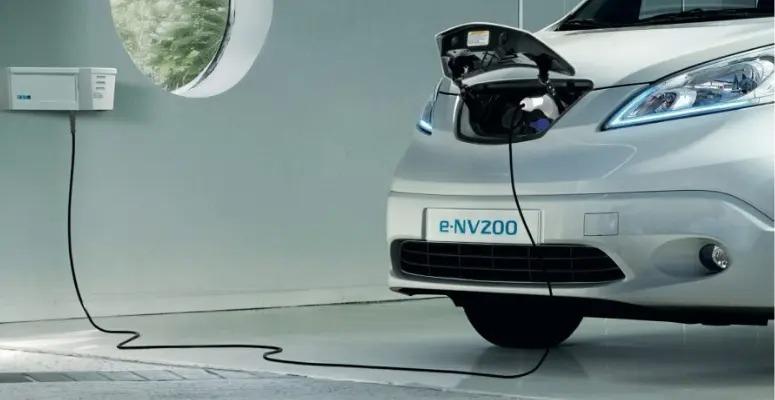
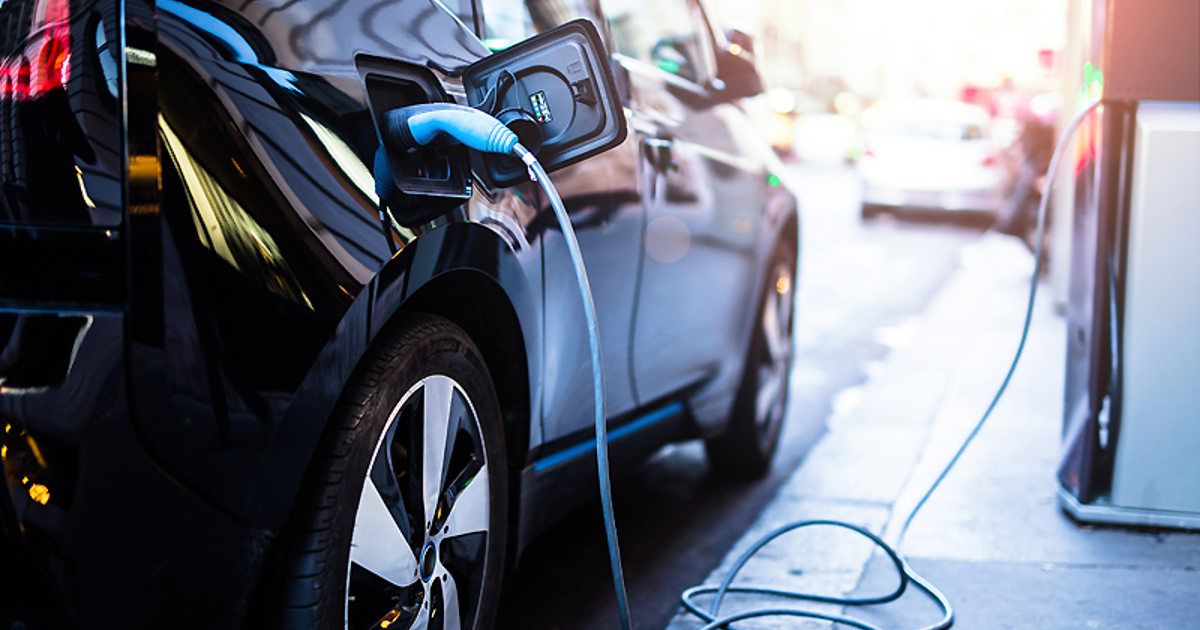
Beyond battery chemistry, charging technology continues to advance rapidly. Ultra-fast chargers capable of delivering hundreds of miles of range within minutes are becoming commonplace. Wireless charging solutions are in active development, offering the convenience of effortless energy replenishment. Together, these innovations erase the barriers that once hindered widespread adoption.
Digital Integration and Connectivity
Electric vehicles are as much digital devices as they are automobiles. They exist within a constantly connected ecosystem, gathering and transmitting data to enhance performance, safety, and user experience.
Cloud-based systems manage everything from navigation and traffic updates to predictive maintenance alerts. Over-the-air software updates introduce new functionalities and performance enhancements without requiring a service visit. This continuous improvement keeps vehicles current, long after purchase.
Advanced infotainment systems merge seamlessly with smartphones, voice assistants, and wearable devices. Artificial intelligence personalizes settings temperature, lighting, music based on driver preferences and habits. Every journey becomes tailored, intuitive, and immersive.
Connectivity extends beyond convenience. Vehicle-to-grid (V2G) technology allows EVs to store excess energy and feed it back into the power grid when needed. This transforms electric cars into mobile energy assets, stabilizing grids and supporting renewable energy integration.
Safety Reinvented
Safety has always been paramount in vehicle design, and electric mobility introduces new standards. The inherent design of electric vehicles with low centers of gravity and distributed weight improves stability and reduces rollover risks.
Engineers reinforce battery enclosures with impact-resistant materials, protecting cells from collision damage. Advanced cooling systems ensure thermal stability under all conditions. Simulated crash tests, coupled with AI-driven modeling, enable unprecedented precision in structural integrity assessments.
Software plays a crucial role too. Driver-assistance systems monitor blind spots, maintain safe distances, and prevent unintended lane departures. Predictive algorithms analyze behavior patterns and environmental data to anticipate potential hazards before they occur. The result is an ecosystem of safety that evolves with every update and every mile driven.
The Human Experience
At the core of electric vehicle innovation lies a renewed focus on the human experience. Designers and engineers collaborate not merely to create machines but to craft journeys.
Electric propulsion delivers instant torque and silent operation, transforming driving from a mechanical task into a sensory experience. The absence of engine vibration and noise creates serenity within the cabin, allowing for reflection, conversation, or simply peace.
User interfaces are being reimagined. Minimalist dashboards, haptic feedback controls, and expansive touchscreens create an environment that feels intuitive and futuristic. Personalization is key drivers can adjust mood lighting, seat configurations, and climate preferences with effortless precision.
Autonomous driving technology is another layer of transformation. Vehicles equipped with advanced sensors and machine learning can navigate, park, and adapt to traffic conditions autonomously. As trust in this technology grows, human drivers will gradually transition from active operators to engaged passengers, free to focus on creativity or relaxation during transit.
Energy Efficiency and Environmental Harmony
Electric vehicles represent a monumental leap in energy efficiency. Unlike combustion engines that waste energy through heat and friction, electric motors convert over 90 percent of their energy input into motion. Regenerative braking captures and reuses energy that would otherwise dissipate as heat, maximizing efficiency at every turn.
Integration with renewable energy further amplifies their sustainability. Charging stations powered by solar or wind energy complete the cycle of clean mobility. Some systems even enable direct solar charging for vehicles parked outdoors, turning sunlight into motion.
As smart grids become more widespread, energy distribution will grow increasingly adaptive. Vehicles will charge during periods of low demand and feed electricity back during peaks, creating balance and resilience within national power systems.
Economic and Social Impact
The rise of electric vehicles is transforming global economies and industries. Job roles are shifting from mechanical to technological expertise, creating new opportunities in software development, data analysis, and battery engineering. Educational institutions are adapting curriculums to prepare the workforce for this new reality.
Emerging markets are also benefiting from localized production. Governments offer incentives to establish battery factories and electric component supply chains, spurring economic growth and reducing dependency on imported oil. The movement toward electrification promotes not only environmental progress but also social and economic resilience.
For consumers, the financial benefits are tangible. Lower fuel costs, minimal maintenance, and long-term reliability translate to significant savings. As manufacturing scales up, affordability continues to improve, bringing electric mobility within reach of broader populations.
Aesthetic Evolution: The Art of Electric Design
Design plays a vital role in shaping perception and desirability. Electric vehicles are redefining automotive aesthetics with their sleek, aerodynamic profiles and minimalist philosophies.
The absence of traditional grilles, exhaust pipes, and fuel ports allows for smoother surfaces and cleaner lines. Lighting becomes a signature element LED strips and dynamic patterns communicate personality and technological prowess.
Interior design embraces openness and simplicity. Panoramic glass roofs invite natural light, while ergonomic seating promotes comfort on long journeys. Materials and color palettes evoke tranquility, reflecting the harmony between form and function.
This aesthetic refinement is not superficial. Every design choice serves aerodynamic efficiency, user comfort, and emotional engagement. The visual appeal of electric vehicles becomes an extension of their ethical purpose a celebration of progress through beauty.
Global Collaboration and Innovation
The electric revolution thrives on global collaboration. Nations, industries, and innovators share knowledge, standards, and infrastructure to accelerate progress.
International partnerships foster advancements in battery recycling, grid integration, and sustainable sourcing. Open-source platforms encourage shared learning, allowing smaller startups to innovate alongside established giants.
This spirit of cooperation transcends competition. It embodies a recognition that the challenges of climate change and energy transition are collective responsibilities. The pursuit of sustainable mobility thus becomes a unifying mission for humanity.
The Road Ahead
The trajectory of electric vehicle evolution shows no signs of slowing. Future generations of EVs will be lighter, faster, smarter, and even more sustainable. Emerging technologies such as graphene batteries, solar-assisted panels, and wireless power transfer promise exponential progress.
Artificial intelligence will continue to redefine the relationship between driver and machine. Vehicles will not only respond to commands but anticipate needs, adapting routes, adjusting cabin conditions, and even learning driving preferences over time.
Urban landscapes will evolve in parallel. Smart cities will design roads, parking systems, and power grids optimized for electric mobility. As fossil fuel dependence declines, cleaner air, quieter streets, and renewed biodiversity will redefine urban living.
About the Author